All-on-4 Recovery: Healing Timeline and Aftercare Tips
Most patients feel largely back to normal within two weeks — here's the week-by-week picture of what healing after All-on-4 actually involves.
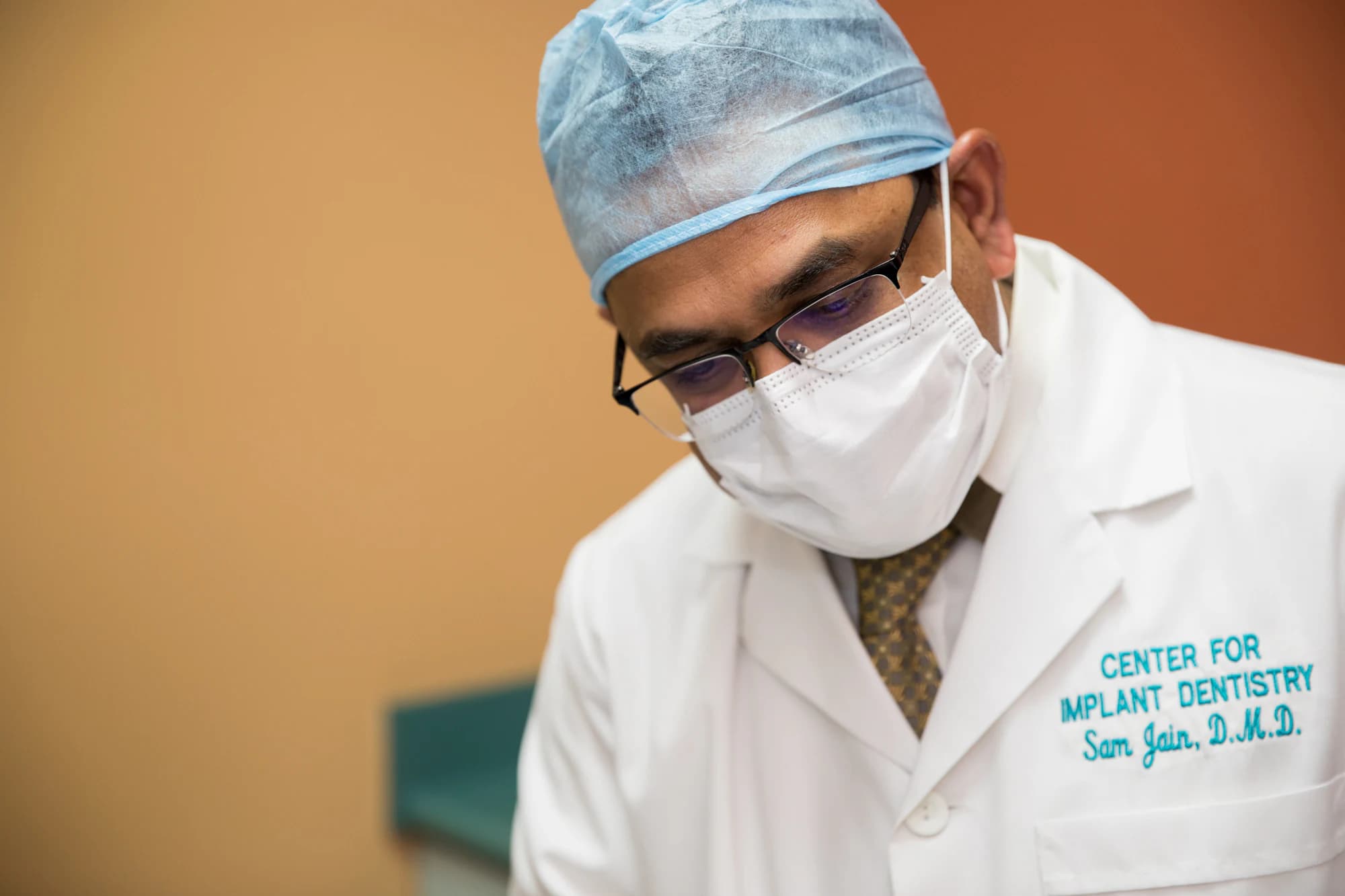

Written and medically reviewed by Dr. Sam Jain, DMD, MS, and Dr. Arpana Gupta, DDS, MDS
Published · Updated
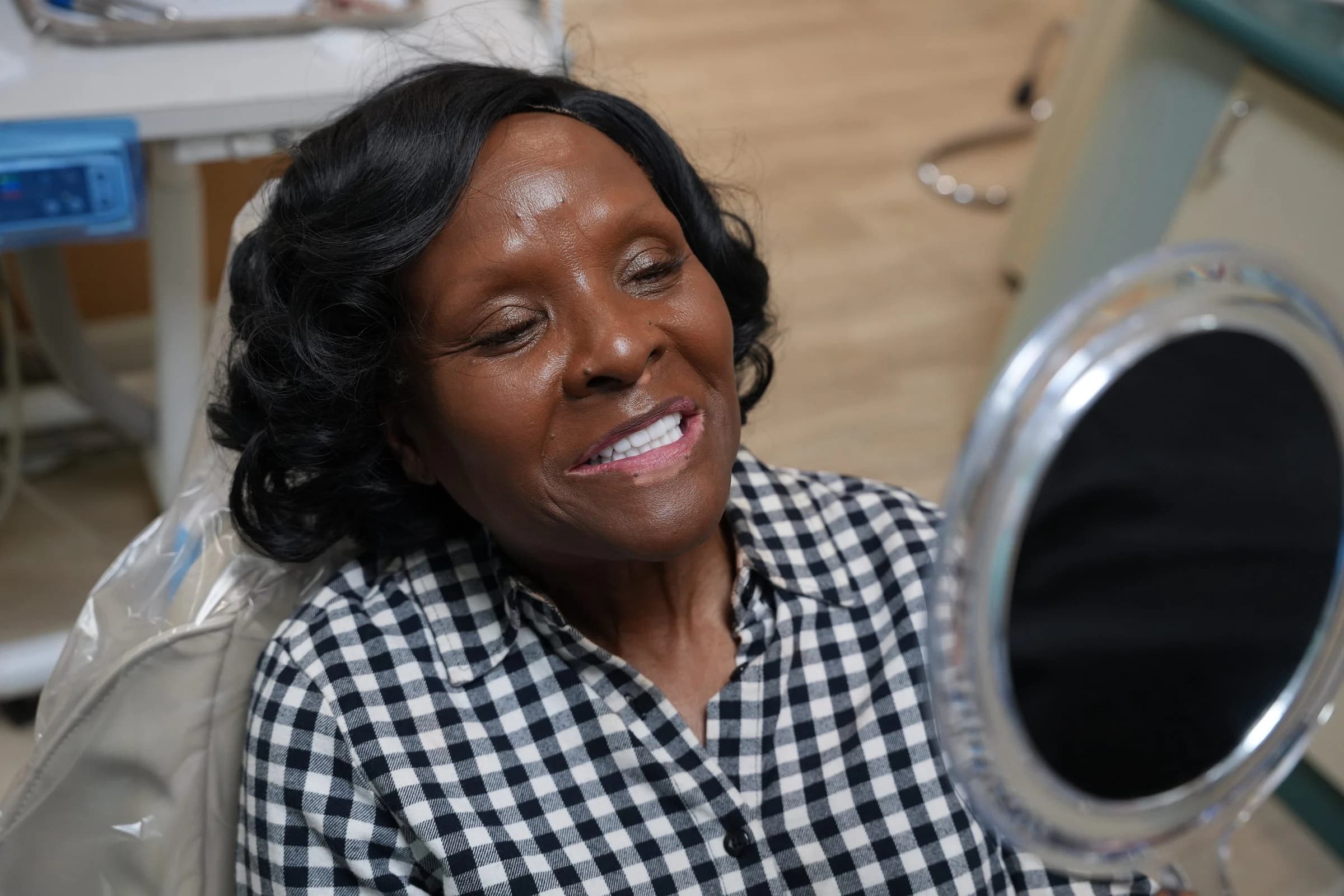
How long does All-on-4 recovery take?
For most patients, the roughest part is over in about 72 hours, and daily life feels close to normal within one to two weeks. That said, there are two separate clocks running. One is your comfort — swelling, tenderness, and eating soft — which resolves quickly. The other is osseointegration, the slower, invisible process of your jawbone fusing to the titanium implants, which typically takes three to six months. You can be out socializing and back at work long before that deeper healing finishes.
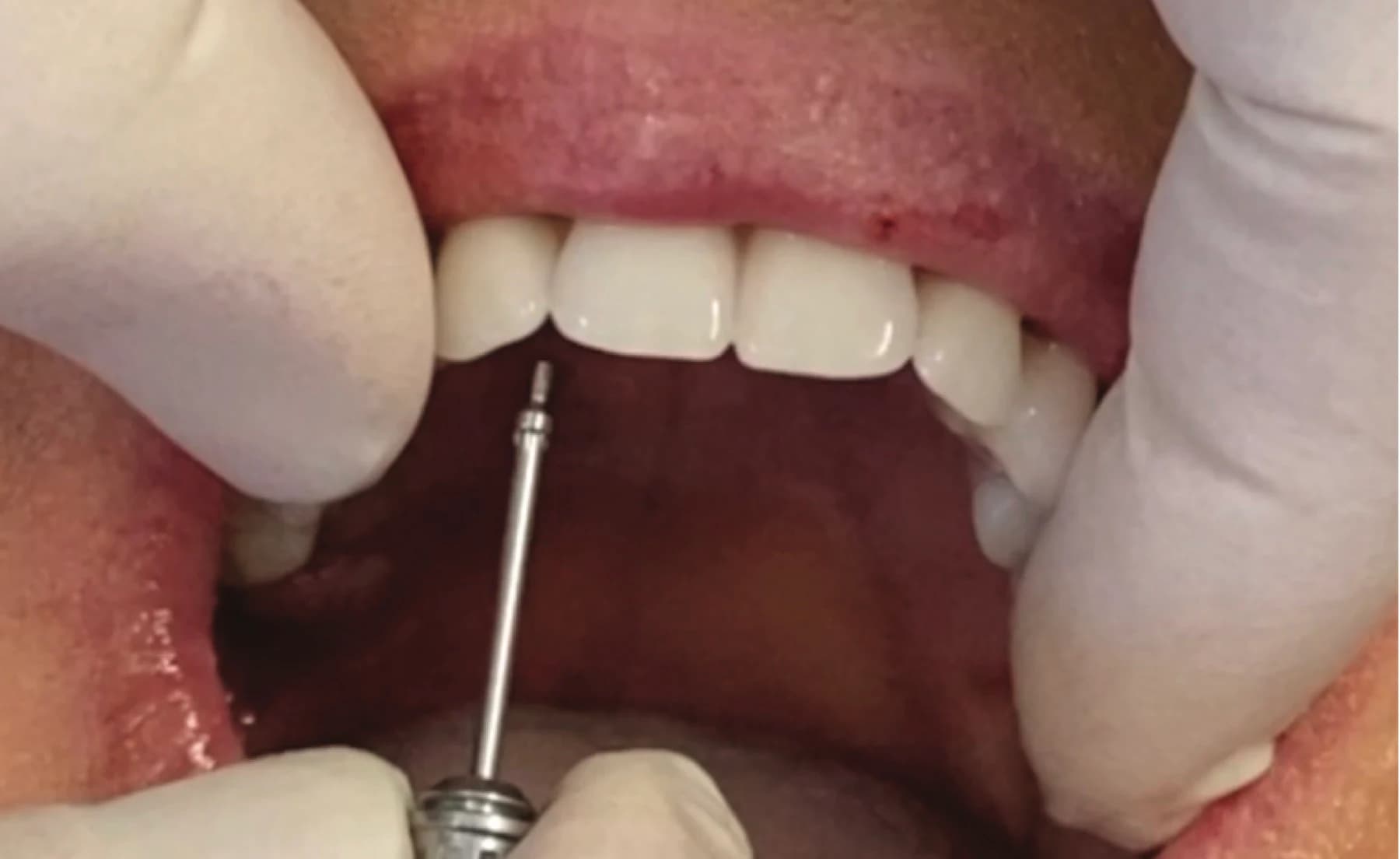
One thing that surprises people: with All-on-4 at our Fremont office, you leave your surgery day with fixed teeth already attached to the implants. You are not going home toothless. And because we mill your final arch in-house in about 72 hours, you are not stuck in flimsy plastic temporaries for six to eight months the way patients are at many practices. That shorter appliance timeline is one of the real advantages of everything being under one roof here.
Week by week: what to expect
Days 1 to 3 are the peak. Swelling and any bruising usually crest around 48 to 72 hours after surgery, then start to fade — so if you look puffier on day two than day one, that is expected, not a setback. Ice on the cheeks in short intervals during the first day helps; after about 48 hours, gentle moist heat is more useful. Some oozing or pink saliva in the first day is normal too.
By the end of week one, the visible swelling is mostly gone and most patients have tapered off prescription pain medication. Weeks two and three are about reintroducing texture slowly and letting the gum tissue firm up around your new teeth. Through roughly weeks four to twelve, osseointegration is quietly doing its work in the bone, even though you feel fine. Your doctor will confirm your specific timeline at your follow-up visits, because complexity varies — a straightforward case heals differently than one that also involved bone grafting or a sinus lift.
Four aftercare tips that actually move the needle
First, respect the soft-food window. For roughly the first six to eight weeks, stick to a soft, no-chew-required diet — think eggs, yogurt, fish, well-cooked pasta, mashed vegetables — and build back up gradually. Nothing you control matters more. Biting into something hard or crunchy too early puts force on implants that have not fully fused, which is exactly what you want to avoid.
Second, keep the surgical sites clean without scrubbing them. Warm salt-water rinses several times a day (and after meals) clear debris gently; avoid vigorous swishing, straws, and spitting hard in the first days so you do not disturb the healing clot. Third, do not smoke. Nicotine narrows the small blood vessels that feed healing bone and is one of the biggest risk factors for slow healing and implant trouble — cutting it out during recovery genuinely matters.
Fourth, show up to your follow-ups and call early if something feels off. Because Dr. Sam Jain and Dr. Arpana Gupta personally plan, place, and restore every case here — no fly-in surgeon who disappears afterward — the same team that did your surgery is the one checking your healing. Our detailed post-op instructions walk through the specifics, and if you ever want a fuller picture of what can go wrong and how it's managed, our page on implant complications is candid about it.

When to call your surgeon
Most discomfort trends downward day over day. What should get your attention is the opposite: pain that worsens after day three or four instead of easing, swelling that keeps growing past 72 hours, fever, a bad taste or foul odor, a temporary that feels loose, or bleeding that will not settle with gentle pressure. None of these mean disaster, but they are worth a same-day phone call rather than a wait-and-see. Catching a small issue early is almost always easier than catching it late.
It also helps to have chosen a team equipped for the harder cases before anything comes up. We take on zygomatic implants for patients told they have 'no bone,' and we routinely rescue failed implants placed elsewhere — so if your healing does hit a bump, you are already in the right hands. If you are still comparing options, our page on dental implants versus dentures and our free consultation with a 3D scan are good next steps.
Written and medically reviewed by Dr. Sam Jain, DMD, MS, and Dr. Arpana Gupta, DDS, MDS, who own this practice.
This article is patient education, reviewed by Dr. Sam Jain, DMD, MS, and Dr. Arpana Gupta, DDS, MDS, and is not a substitute for an exam. Treatment recommendations are made only after an in-person consultation and 3D imaging.