The All-on-4 Procedure: What to Expect Step by Step
A walk through the actual surgery day and the full treatment timeline — from the moment you sit down to the day you bite into your final teeth.
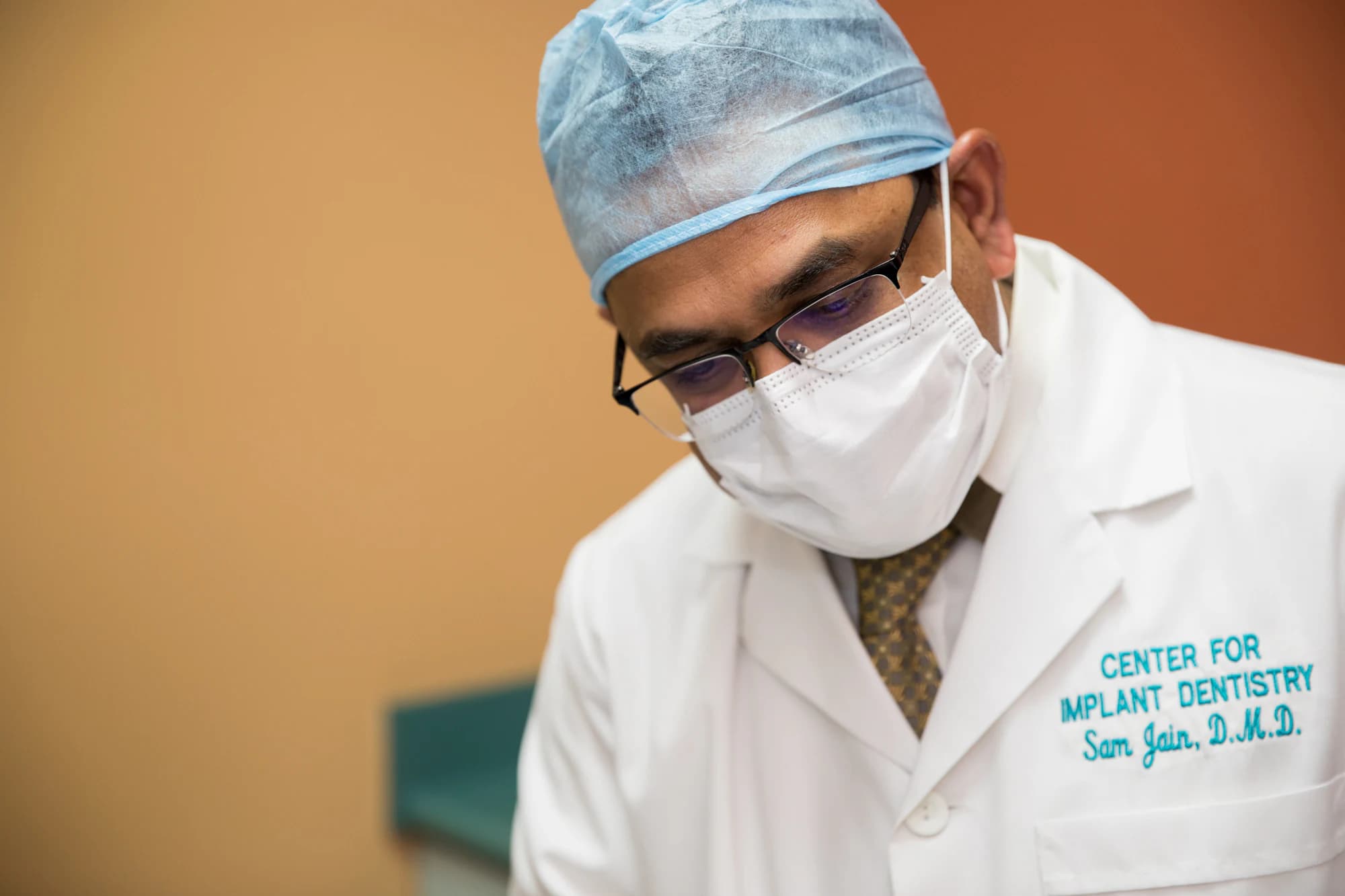

Written and medically reviewed by Dr. Sam Jain, DMD, MS, and Dr. Arpana Gupta, DDS, MDS
Published · Updated
The Short Answer: How the Day Actually Goes
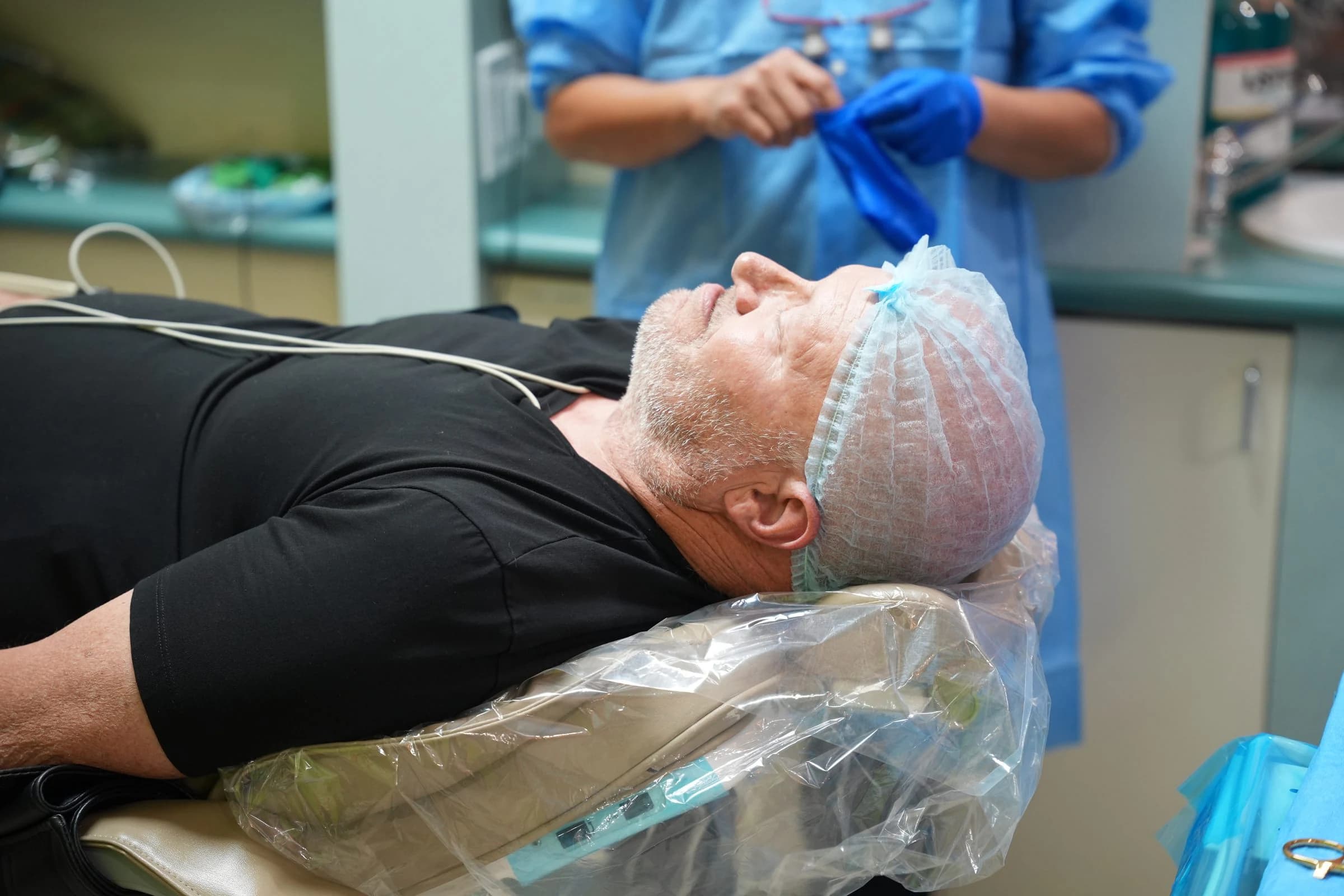
Most people want one thing spelled out before anything else: what does the surgery day feel like, and how long does All-on-4 take? Here is the honest version. You arrive with failing or missing teeth on one arch, you are sedated so you feel nothing, and the actual implant placement runs roughly two to three hours per arch. You leave the same day with a fixed set of teeth screwed into those implants — not a denture you take in and out, not a gap, not stitches you have to stare at in the mirror. From sitting down to walking out, plan on a half-day, a little longer if teeth need to come out first or you are treating both arches.
The part that surprises people is how calm it is. You are not awake and gripping the armrests. With IV sedation, most patients describe the day as a long nap they barely remember. The work that makes the day fast and precise happened before you ever reclined — the planning. Nearly all of the All-on-4 procedure is decided on a 3D scan days earlier, so surgery is largely the careful execution of a plan already built.
Step One — Consultation and 3D Planning (Before Surgery Day)
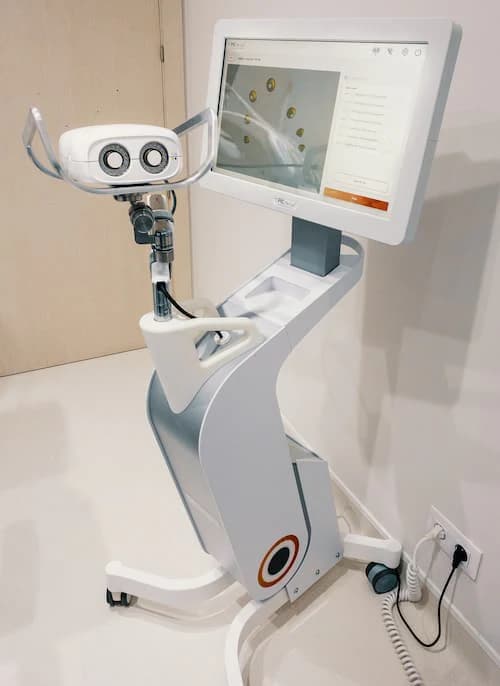
Nothing happens in your mouth until we have mapped it. Your first visit is a free consultation with a medical-grade in-house CBCT 3D scan (a $499 value), which renders your jawbone, nerves, and sinuses in fine detail. This is where the doctors decide exactly where each implant will go, at what angle, and how deep — steering around the nerve in your lower jaw and the sinus floor up top. You will meet the surgeons who actually place and restore your case, Dr. Sam Jain and Dr. Arpana Gupta, not a fly-in surgeon you never see again.
The scan also answers the honest question of whether four implants are even the right number for you. In many arches, bone is uneven, and stopping at four leaves the bridge under-supported. That is why Dr. Jain developed the All-on-8 Robust protocol — placing as many implants as your bone actually needs, often six to eight. If you have been told you have 'no bone' for implants, that conversation happens here too, alongside options like bone grafting, a sinus lift, or zygomatic implants that anchor into the cheekbone. Your doctor will confirm the right plan for your anatomy before anyone reaches for a drill.
Wondering whether you qualify at all? Most people do — see who is a candidate for the details that actually matter.
Step Two — Surgery Day, Minute by Minute
You will be asked not to eat beforehand and to bring a driver, because you will be sedated. Once you are settled and comfortable, our IV sedation team keeps you in a light, dreamy sleep while the surgery proceeds. If any failing teeth remain, they are removed first — often with an extraction and immediate implant so the socket is put to use the same day rather than left to collapse.
Next comes the placement itself. This is where the earlier planning pays off: X-Guide and Navident EVO dynamic navigation track every instrument against your CT scan in real time, like GPS for the drill, so each implant lands where your bone is strongest and away from nerves and sinuses. Two front implants typically go in fairly straight; the back implants are angled forward to grab dense bone and avoid the sinus — that angulation is the engineering trick at the heart of All-on-4. Placement runs about two to three hours for a single arch.
Before you wake fully, impressions or a digital scan are taken and a fixed provisional bridge — a solid, non-removable set of teeth milled on site — is secured to the implants that same visit. You leave chewing on real teeth, not resting on stitches. This is what people mean by same-day teeth.

Step Three — Healing and Your Final Teeth
The implants now need to fuse to your bone, a process called osseointegration that typically takes three to six months. Here is the meaningful difference in our workflow: because our own CAD/CAM lab designs and mills your teeth on site, your final, custom-milled bridge is ready in about 72 hours, not after six to eight months in temporary plastic — so the teeth that carry you through those months of healing are already your final ones. You eat softer foods at first, then gradually more; the final teeth are refined until the bite, shade, and shape feel like yours.
Recovery from the surgery itself is usually gentler than people brace for. Swelling and soreness peak in the first two to three days, and many patients are back to work within a few days, though your doctor will tell you what is realistic for your case. Follow the post-op instructions closely — they matter more to a smooth result than almost anything else in the first week.
The last stage never really ends: cleanings, adjustments, and any repairs stay with the same team that placed your implants. If you are weighing this against a removable plate, the implants-versus-dentures comparison lays out the trade-offs, and the cost page explains financing — most full-arch patients finance, and your itemized quote comes in writing after the free consultation and 3D scan.
Written and medically reviewed by Dr. Sam Jain, DMD, MS, and Dr. Arpana Gupta, DDS, MDS, who own this practice.
This article is patient education, reviewed by Dr. Sam Jain, DMD, MS, and Dr. Arpana Gupta, DDS, MDS, and is not a substitute for an exam. Treatment recommendations are made only after an in-person consultation and 3D imaging.