Dental Implant Post-Op Instructions & Aftercare

A patient checking her new teeth in a hand mirror after treatment

Healing well is a skill — here's the whole playbook

Schedule Consultation

Aftercare · The Same Team That Placed It

The Surgery Was Our Job. The First Week Is A Partnership.

Your implant's long-term success is mostly decided in two places: the operating room — our department — and the first days of healing, where you hold the instruments. The good news is that recovering well is simple, as long as you know the handful of things that matter and the handful that quietly cause trouble.

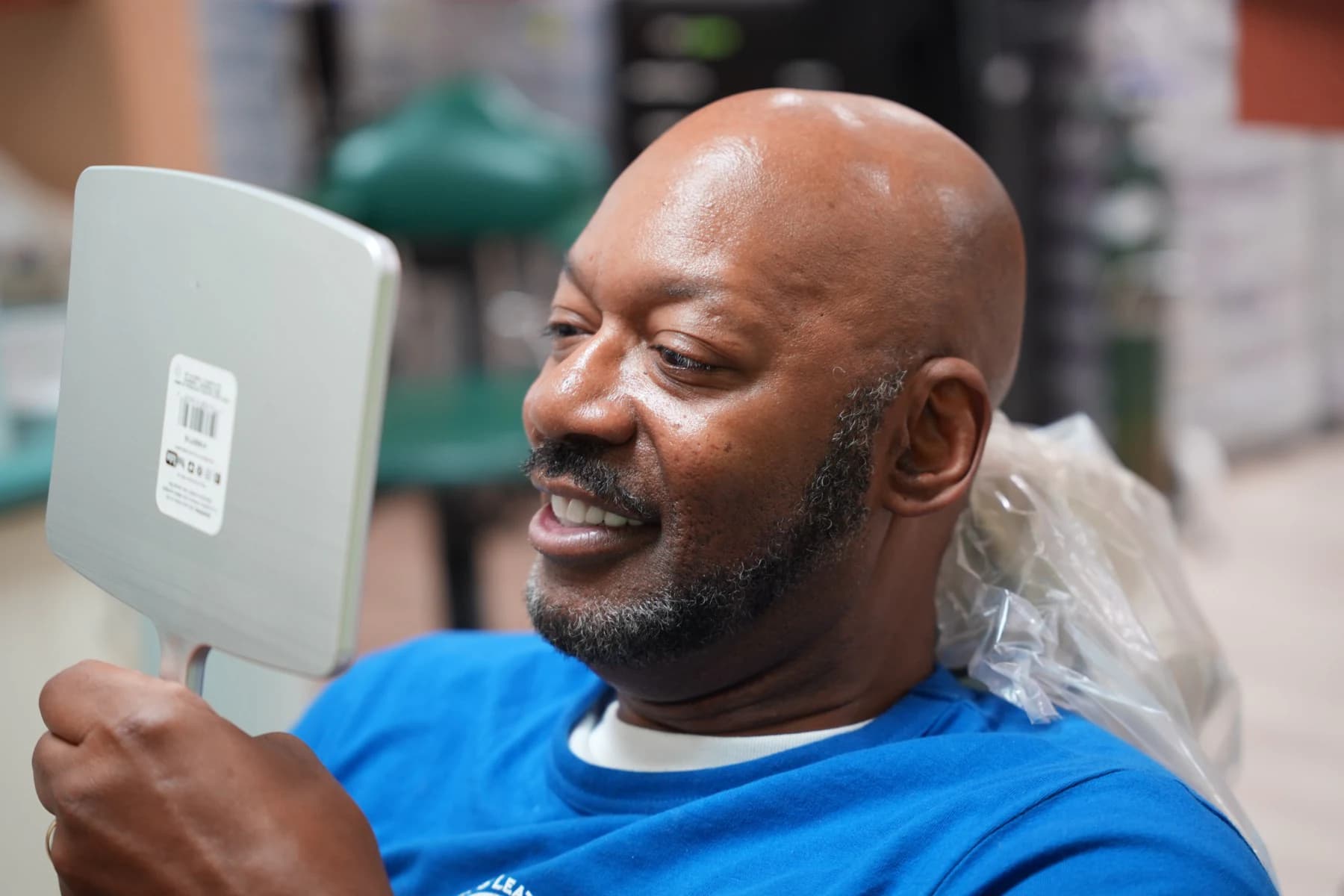
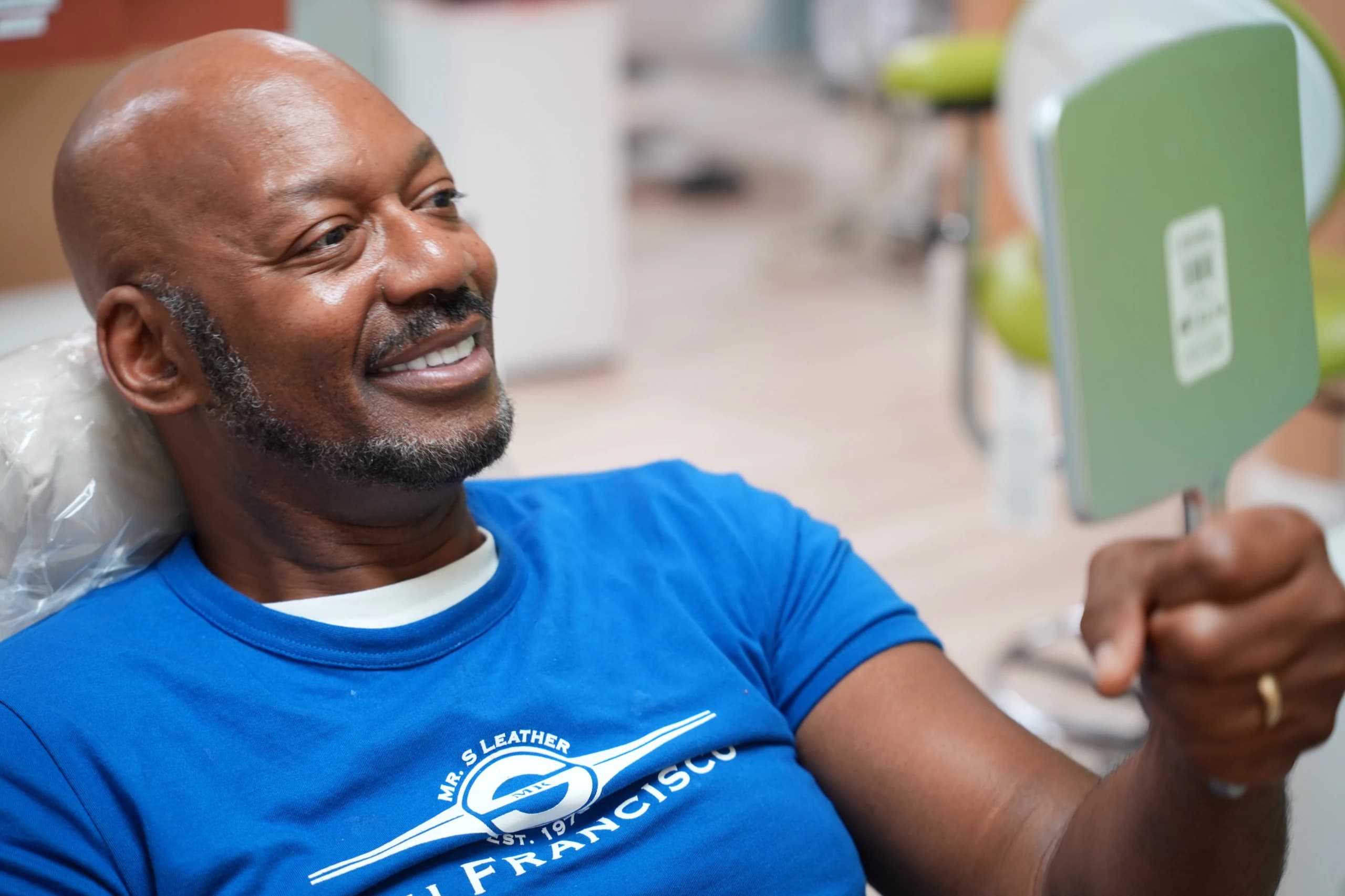
A patient studying his new smile in a hand mirror
A real patient at Center for Implant Dentistry. Individual results vary.

One rule outranks this whole page: the written instructions your doctor sent home with you always come first. They’re tailored to your surgery and your health. What follows is the general playbook we give every patient — the do’s, the don’ts, and the timeline of what normal feels like.

And if anything feels wrong, don’t diagnose yourself — for true emergencies like difficulty breathing or swallowing or bleeding you can’t control, go to the nearest ER or call 911 first. For everything else, call the office that treated you: Fremont at (510) 574-0496 or San Francisco at (415) 696-2922. You will never bother us by calling. Someone answers Monday–Friday 9:00 AM–7:30 PM and Saturday 9:00 AM–6:00 PM; outside those hours, follow the emergency guidance above.

The Do's And The Don'ts

Eight decisions you'll face in the first days — and the right call for each one.

Bleeding

Do thisBite firmly on gauze for 30–60 minutes at a time and rest with your head elevated. Light oozing on day one is normal.

Not thisSpitting forcefully, poking the site with your tongue, or swapping gauze every five minutes — pressure only works when it's constant.

Swelling

Do thisIce the outside of your face in 15–20 minute on/off cycles for the first 48 hours. Expect the peak around day two or three.

Not thisHeat on the area in the first 48 hours, or panicking at day-two swelling — looking worse before better is the normal script.

Eating

Do thisCool, soft foods on day one — yogurt, eggs, smoothies by spoon — then advance gently, chewing away from the surgical site.

Not thisHot soup fresh off the stove, crunchy or seedy foods against the site, or 'testing' the new implant on day two.

Drinking

Do thisPlenty of water. Hydration is quiet medicine for healing tissue.

Not thisStraws for at least 72 hours — suction can dislodge the healing clot. Go easy on alcohol and carbonation the first few days.

Smoking & vaping

Do thisPause completely, for as long as you possibly can. Ask us for help managing it — no judgment, ever.

Not this'Just one' — smoking is the single biggest controllable cause of implant failure, and the first days are when it does the most damage.

Keeping it clean

Do thisBrush your other teeth normally, and start gentle warm salt-water rinses the day after surgery — let the water fall out, don't spit.

Not thisVigorous swishing or scrubbing the surgical site in the first days — the clot you'd disturb is the foundation of everything.

Activity

Do thisTake it genuinely easy the first day or two; short, gentle walks are fine and good for you.

Not thisThe gym, heavy lifting, or long bending over for the first 48–72 hours — elevated blood pressure reopens what's trying to close.

Medications

Do thisTake everything exactly as prescribed, and finish the entire course of any antibiotic — even once you feel perfect.

Not thisSkipping doses because you feel fine, or adding your own medications without asking us first.

General guidance only — the written instructions your doctor gave you are tailored to your case and always take precedence. Questions between visits are always welcome by phone.

What Normal Feels Like, Week By Week

Healing has a schedule. Knowing it turns most midnight worries into 'ah — right on time.'

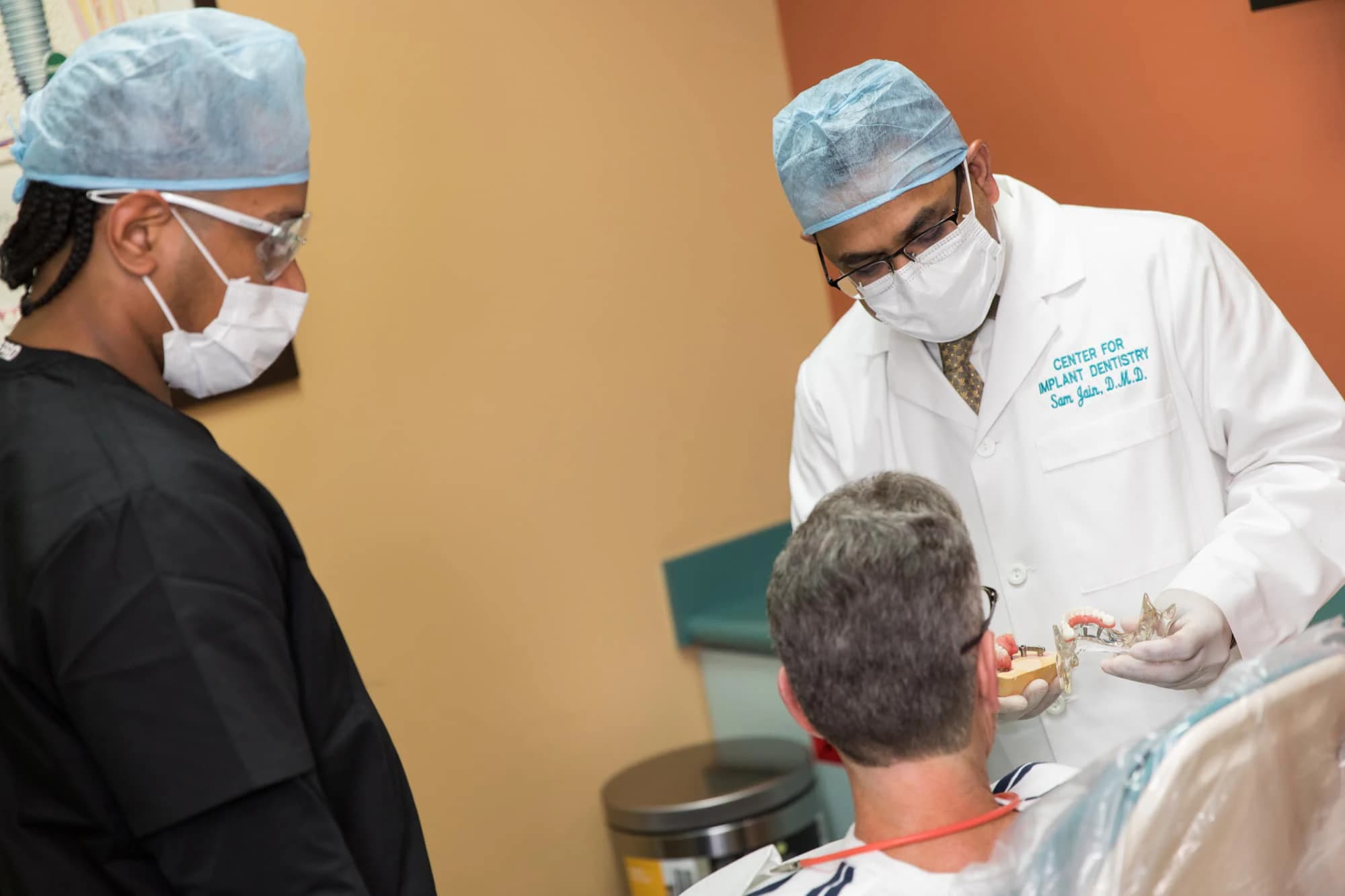
Care team with a patient right after implant surgery

The First 24 Hours: Protect The Clot

Numbness fades over a few hours; take prescribed medication before it fully does, as directed.

Gauze pressure for oozing, ice cycles for comfort, head elevated, and the softest day of eating you've had since childhood.

Your only job today is rest. The clot forming in the surgical site is the foundation of the next six months — guard it.

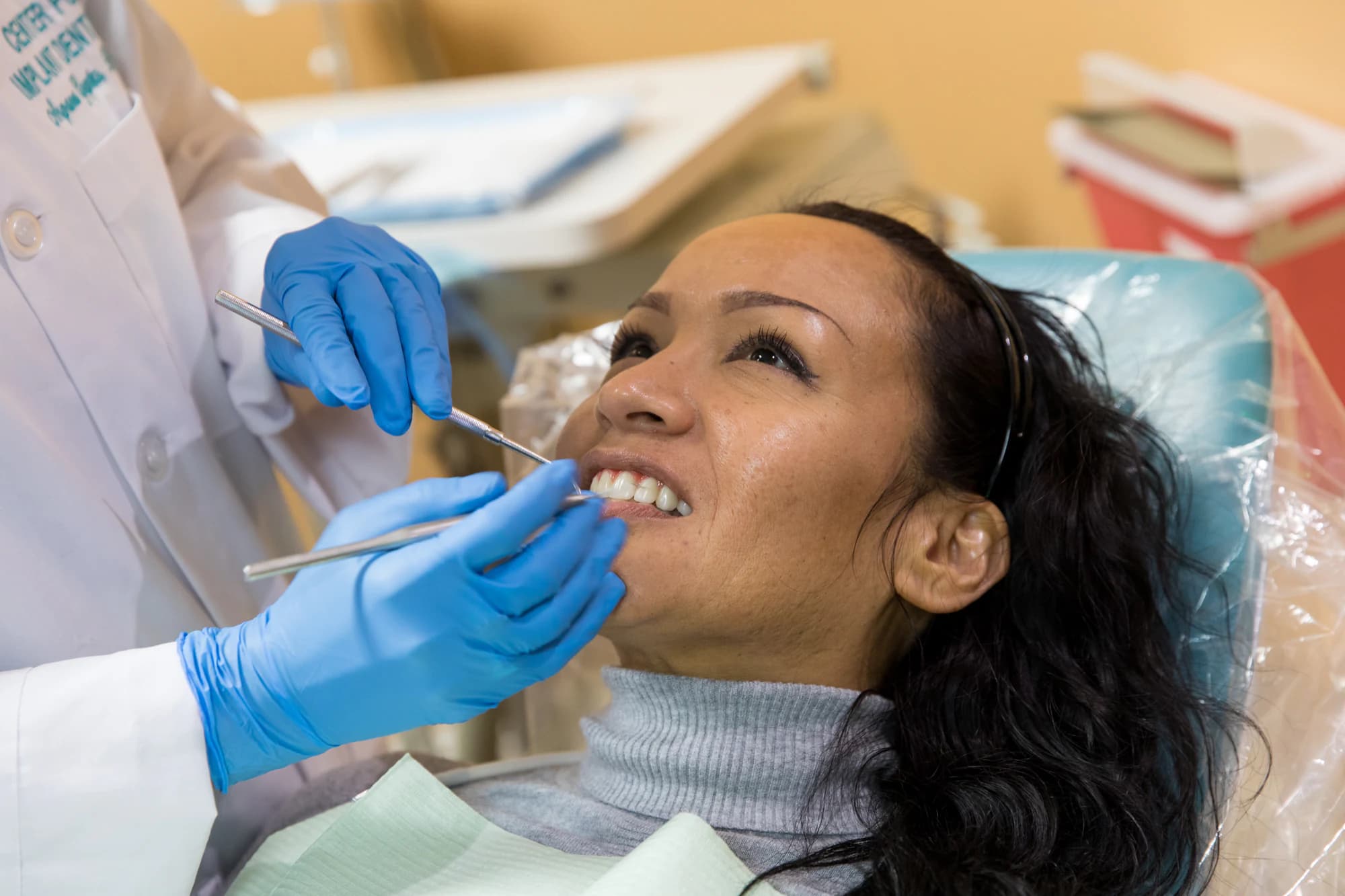
Patient at an early post-operative check

Days 2–3: The Unphotogenic Peak

Swelling crests now — often with some cheek bruising — and this is the stretch when patients most often worry unnecessarily.

Keep up gentle salt-water rinses after meals, soft foods, and patience. Discomfort should be plateauing, not climbing.

Pain that worsens after day three, fever, or a foul taste is your cue to call us — that's what we're here for.

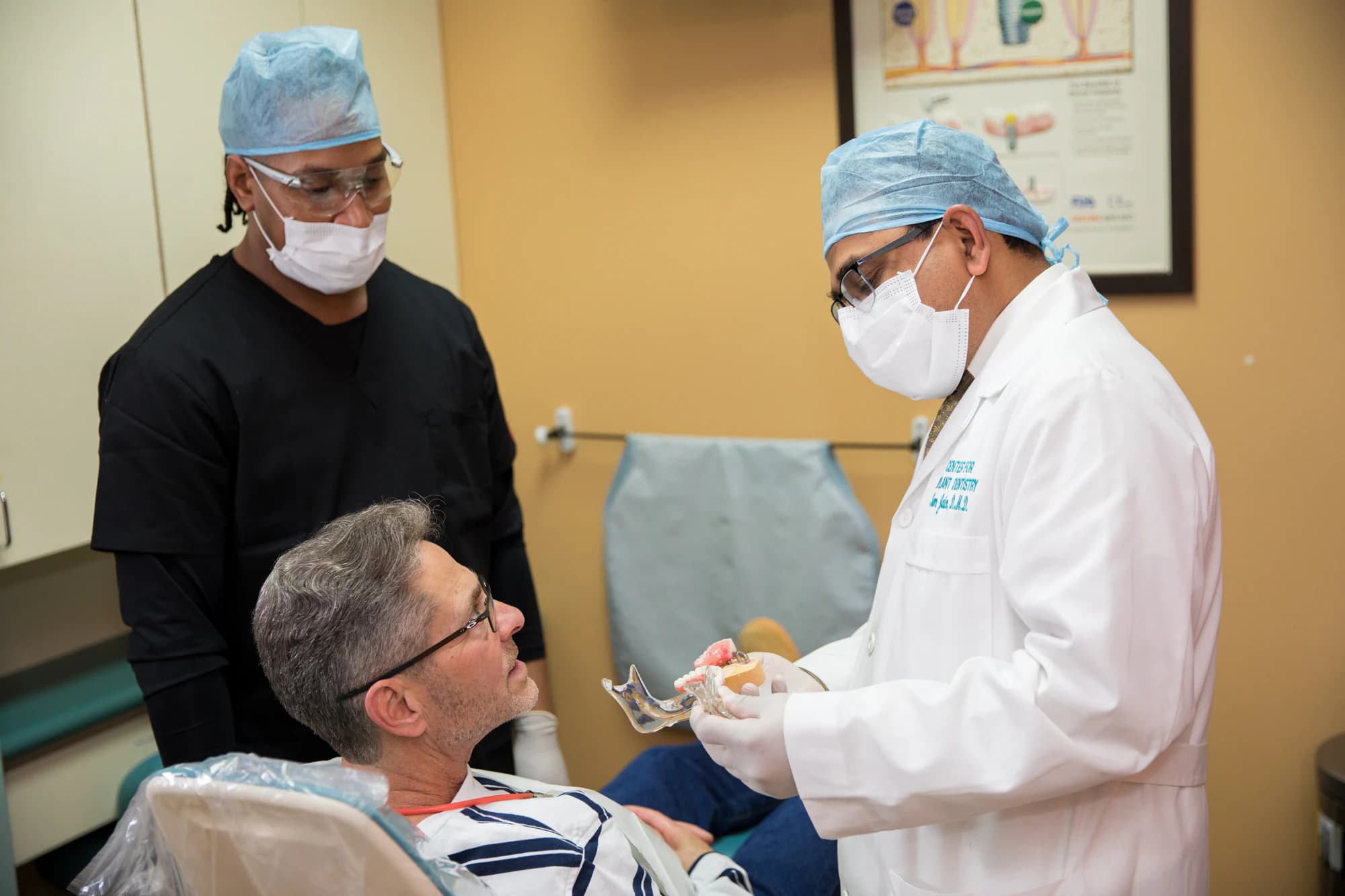
Doctor reviewing healing progress with a patient

Week 1: Turning The Corner

Swelling and tenderness fade noticeably; most patients are long since back to work and normal routines.

Diet advances to soft-solid; brushing gets closer to normal everywhere except directly on the healing site.

If you have a follow-up scheduled this week, keep it even if you feel perfect — feeling fine and healing right aren't always the same thing.

Patient smiling comfortably weeks after implant surgery

Weeks 2–6 And Beyond: The Quiet Work

On the surface, life is normal. Underneath, osseointegration — bone fusing to your implant — is doing the slow, invisible work that makes teeth permanent.

Protect the process: no smoking, sensible chewing on any fixed teeth per your bite plan, and every scheduled check-up kept.

From here, your implant's best friends are boring ones — brushing, flossing, and cleanings with the same team that placed it. For life.

Healing At Home? Here's What's Normal.

How much bleeding is normal after implant surgery?

Some oozing and pink-tinged saliva for the first day is completely normal. The fix is pressure, not panic: bite firmly on the gauze we sent you home with for 30–60 minutes at a time, resting with your head elevated. What's not normal is bright-red bleeding that won't slow after repeated rounds of firm pressure — if that happens, call us right away, whichever office treated you.

When does swelling peak, and when should it worry me?

Swelling almost always peaks around days two to three — often looking worse in the mirror just as you're actually healing well — then fades over the following days. Bruising on the cheek or jaw can appear and is normal. Ice in 15–20 minute cycles during the first 48 hours keeps it manageable. Swelling that keeps increasing after day three, feels hot, or arrives with fever is a call-us-now sign, not a wait-and-see one.

What can I eat, and when can I eat normally?

Day one: cool and soft — yogurt, smoothies (spoon, never straw), eggs, mashed potatoes, lukewarm soup. Over the first week, advance to soft-solid foods as comfort allows, chewing away from the surgical site. If you received same-day fixed teeth, the doctors will give you a specific bite plan — protecting the implants while they fuse matters more than any general rule on this page. When in doubt, softer and cooler wins.

Why are straws and smoking such a big deal?

Both create suction and chemical stress that can disturb the blood clot and starve healing tissue of oxygen — the two fastest ways to turn an easy recovery into a painful, complicated one. No straws for at least 72 hours. Smoking and vaping are the single biggest controllable threat to implant success: pause completely for as long as you possibly can, and ask us for help if pausing is hard. We'll help without lecturing.

What symptoms mean I should call you immediately?

Call us right away — either office — for any of these: bleeding that won't slow with firm pressure, fever or chills, pain that gets worse after day three instead of better, pus or a persistent foul taste, numbness that isn't fading many hours after surgery, or anything about your implant or fixed teeth that suddenly feels loose. None of these mean disaster; all of them mean we want to see you, and you will never bother us by calling. One critical exception outranks every phone call: for difficulty breathing or swallowing, uncontrollable bleeding, or rapidly spreading facial swelling, go to the nearest emergency room or call 911 first — then call us.

Do these instructions replace what my doctor told me?

No — the written take-home instructions from your doctor always win, because they're tailored to your surgery, your health history, and your medications. This page is the general map; your doctor gave you the turn-by-turn directions. If anything here seems to conflict with what you were told in person, follow your personal instructions and call us to double-check. Take all prescribed medications exactly as directed, and finish the full course of any antibiotic.

Something feel wrong? Call the office that treated you — Fremont (510) 574-0496 or San Francisco (415) 696-2922. For emergencies like uncontrollable bleeding or difficulty breathing, call 911 or go to the nearest ER first.

Something Feel Off? Call Us — That's What We're For

Call Fremont now