All-on-6 Dental Implants: Recovery and Aftercare Guide
Six implants means six sites to heal and a foundation built to share the load — here's what the first days, weeks, and months actually feel like, and how to care for it.
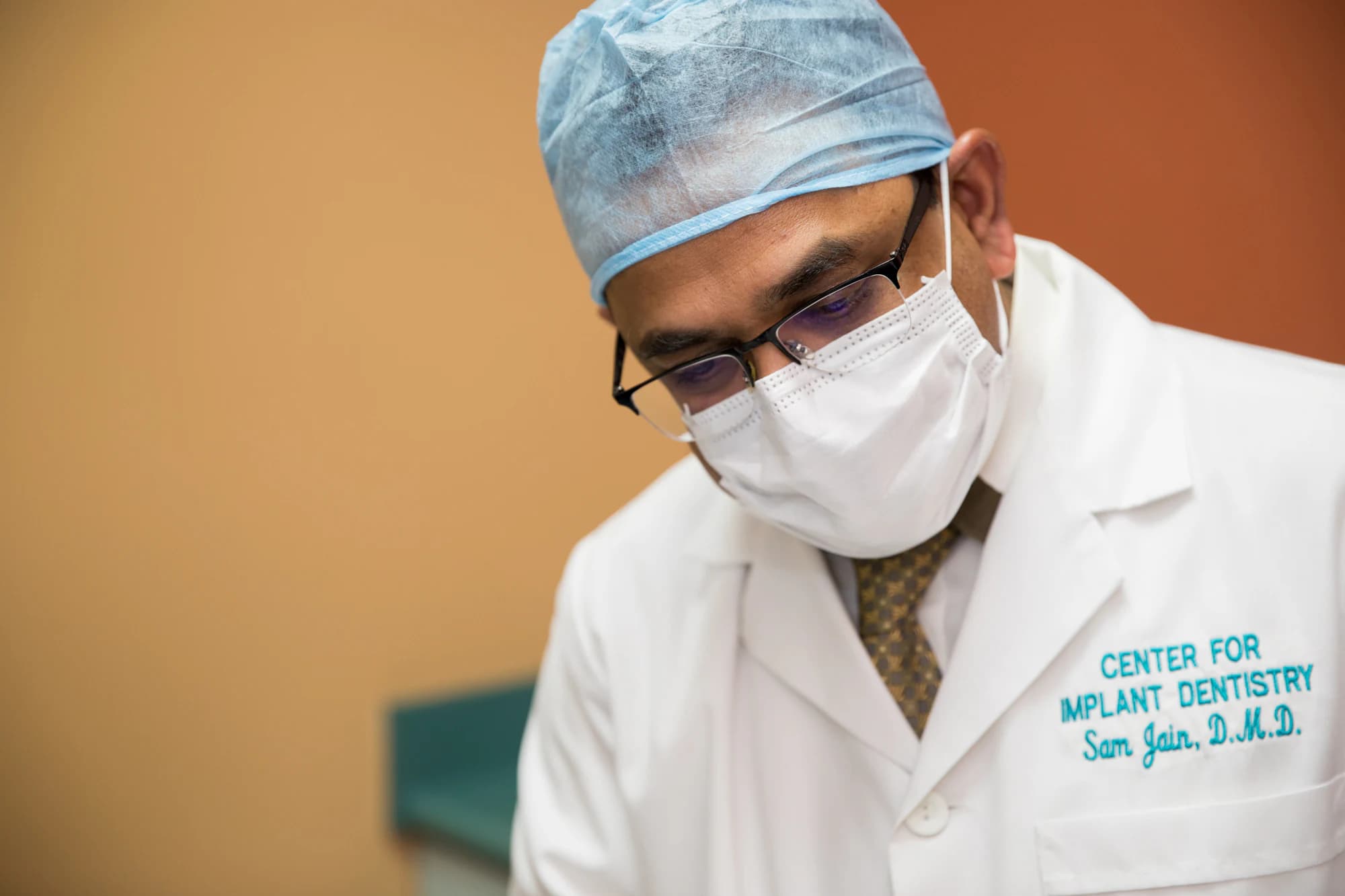

Written and medically reviewed by Dr. Sam Jain, DMD, MS, and Dr. Arpana Gupta, DDS, MDS
Published · Updated
How Long Does All-on-6 Recovery Take?
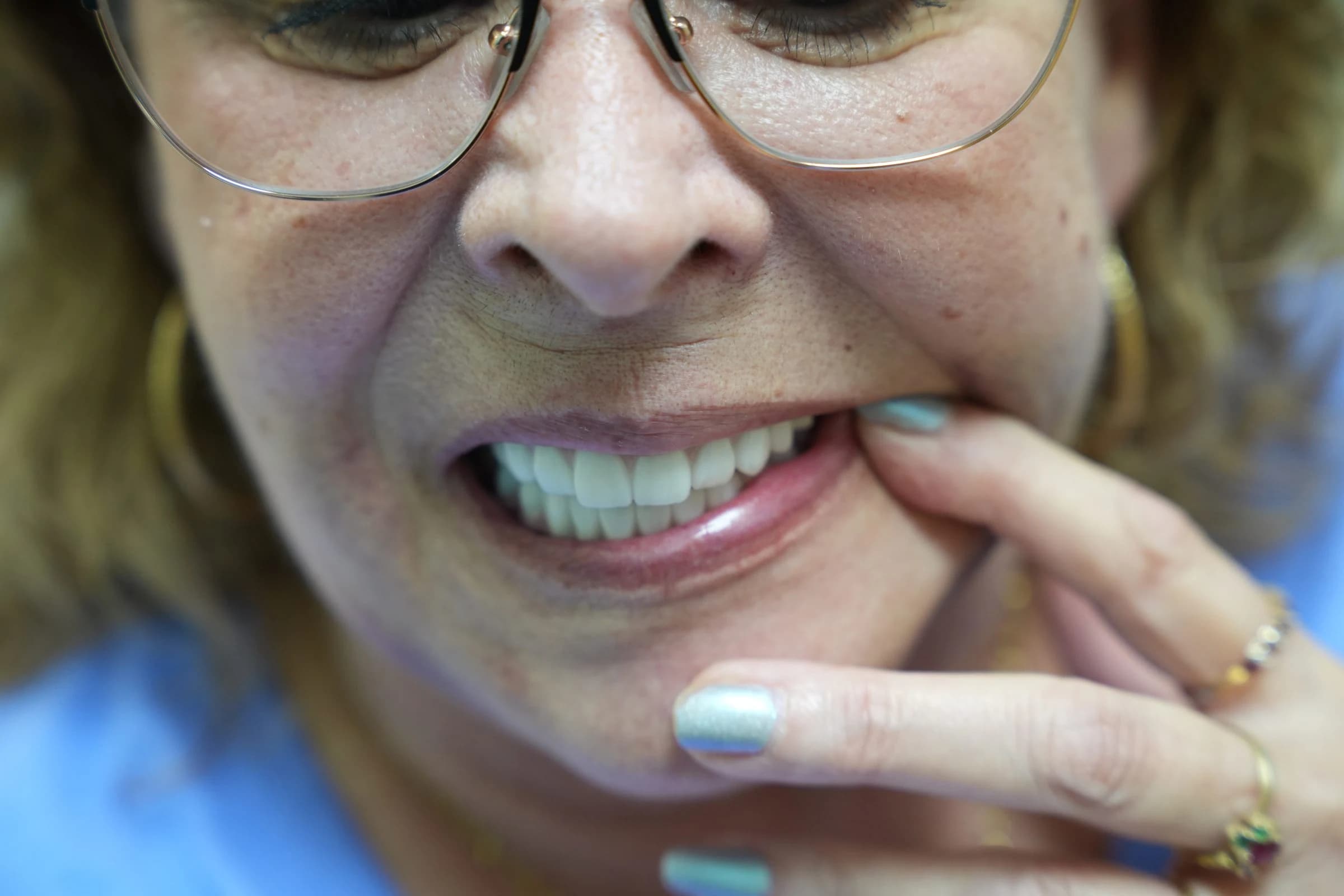
The short version: the tender part is over in about a week, but the implants keep fusing to your jaw for a few months underneath. Most patients have real swelling and soreness for the first three to five days, feel noticeably better inside a week to ten days, and go back to a desk job in a few days. The deeper healing — osseointegration, where bone grows tight around each of the six implants — typically runs three to six months. You won't feel that part happening. Your surgeon tracks it and confirms when the foundation is ready for full chewing force.
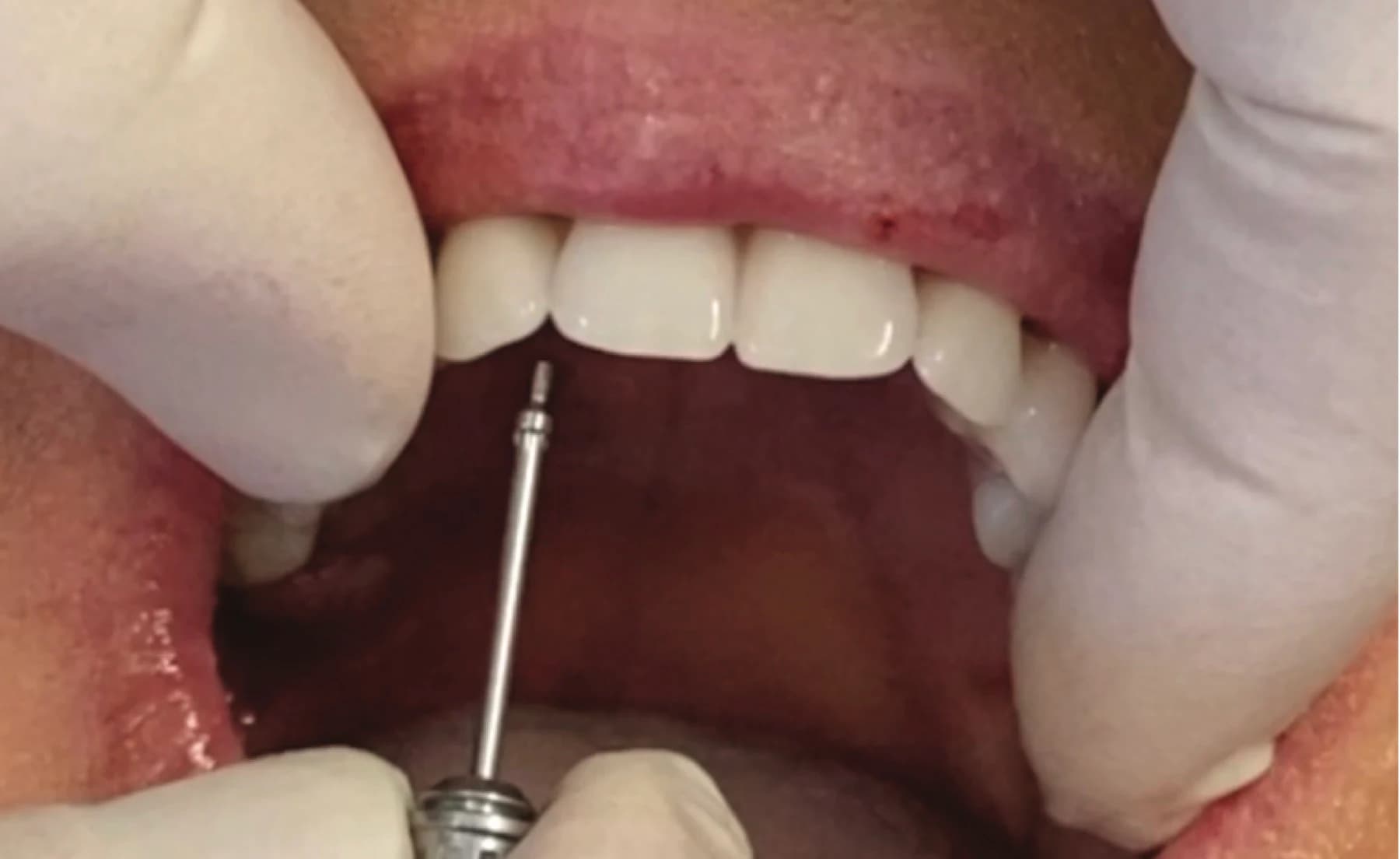
Two things make All-on-6 recovery its own process, not just All-on-4 with extra hardware. First, there are six surgical sites in the arch instead of four, so there's a bit more gum to heal and a little more area to keep clean in the early days. Second, that same six-implant layout spreads bite force across more anchors — part of why some jaws are planned this way — which means that if one site is slow to settle, the others are still sharing the load. It's a sturdier starting point, and for many patients that makes the healing curve calmer and more predictable.
If you're still comparing protocols, the recovery differences matter alongside the surgical ones. Our All-on-4 page covers the four-implant approach, and the All-on-8 Robust protocol Dr. Sam Jain developed adds even more support for heavy bites. Which number is right isn't a menu choice — it comes out of your 3D scan and your bone, and your surgeon will walk you through why six fits your case.
The First Week, Day by Day
Day of surgery through day two is the swelling-and-rest window. You'll have gauze, some oozing that looks worse than it is, and a face that puffs up — cheeks, sometimes under the eyes. Keep your head propped up, even sleeping, and use cold packs on the outside of your face in twenty-minutes-on, twenty-off cycles for the first 24 to 48 hours. Take the pain medication your surgeon prescribes on schedule rather than waiting for pain to spike; staying ahead of it is far more comfortable. Most patients need the stronger medication for only a day or two, then switch to over-the-counter relief.
Days three through five are usually when swelling and any bruising peak before they start to fade — so if you look more swollen on day three than day one, that's normal, not a setback. By the end of the first week most people are off prescription pain medication, eating soft food comfortably, and back to normal routines minus the gym. Because your treatment happens under IV sedation and you leave the same day with a fixed arch of teeth, there's no second surgery to dread and no removable plate to fuss with while you heal — you can see how that same-day workflow runs on our same-day dental implants page.
A few things to skip entirely that first week: no straws, no smoking or vaping, no spitting forcefully, and no poking the sites with your tongue or fingers. All of those disturb the clot and the fresh gum around six new implants. Smoking in particular starves healing tissue of oxygen and is one of the clearer risk factors for early implant trouble, so this is the time to stop if you possibly can.
Eating and Cleaning While Six Implants Fuse
Diet is the part patients underestimate. For the first several weeks you eat soft — smoothies, eggs, yogurt, well-cooked pasta, fish, soft-cooked vegetables — because the implants are still fusing and hard, crunchy, or chewy food can put damaging pressure on sites that aren't locked in yet. You have a fixed set of teeth from day one, but they're for looking and speaking normally, not for testing on a bagel. Your surgeon gives you a personalized timeline; for many patients hard food comes back gradually over the first few months, once the bone has confirmed the implants are solid. Push too early and you risk the very stability you're waiting on.
Cleaning six implant sites is different from brushing natural teeth, not harder — but it starts gently. For the first days you'll usually rinse rather than brush the surgical area, often with warm salt water or a rinse your surgeon provides, keeping the sites clean without scrubbing them. As the gum settles you return to brushing, and the long-term habit that keeps a full-arch bridge healthy is cleaning underneath it, where it meets the gum. A water flosser is the tool most patients rely on, and we show you exactly how to angle it around all six supports at your follow-ups.
This under-the-bridge cleaning is the single biggest thing you control over the life of the arch. Skipping it is one of the more common reasons a healthy set of implants runs into gum inflammation years later. It's a two-minute habit; building it now, while you're paying attention, is what protects the work. Our post-op instructions lay out the daily routine in detail, and every cleaning technique gets demonstrated in person, not just handed to you on a sheet.
What's Normal, What Isn't, and Who's Watching
Normal: swelling that peaks around day three, bruising that tracks down the neck as it fades, mild oozing the first day, stiffness opening wide, and a tight or numb feeling in the lips that eases over days. Worth a phone call: swelling that worsens after day four or five instead of improving, a fever, bleeding that won't slow with pressure, a bad taste with increasing pain, or a tooth in the bridge that suddenly feels loose. None of these are common, and most are simple to address early — which is exactly why we'd rather you call than wait it out.
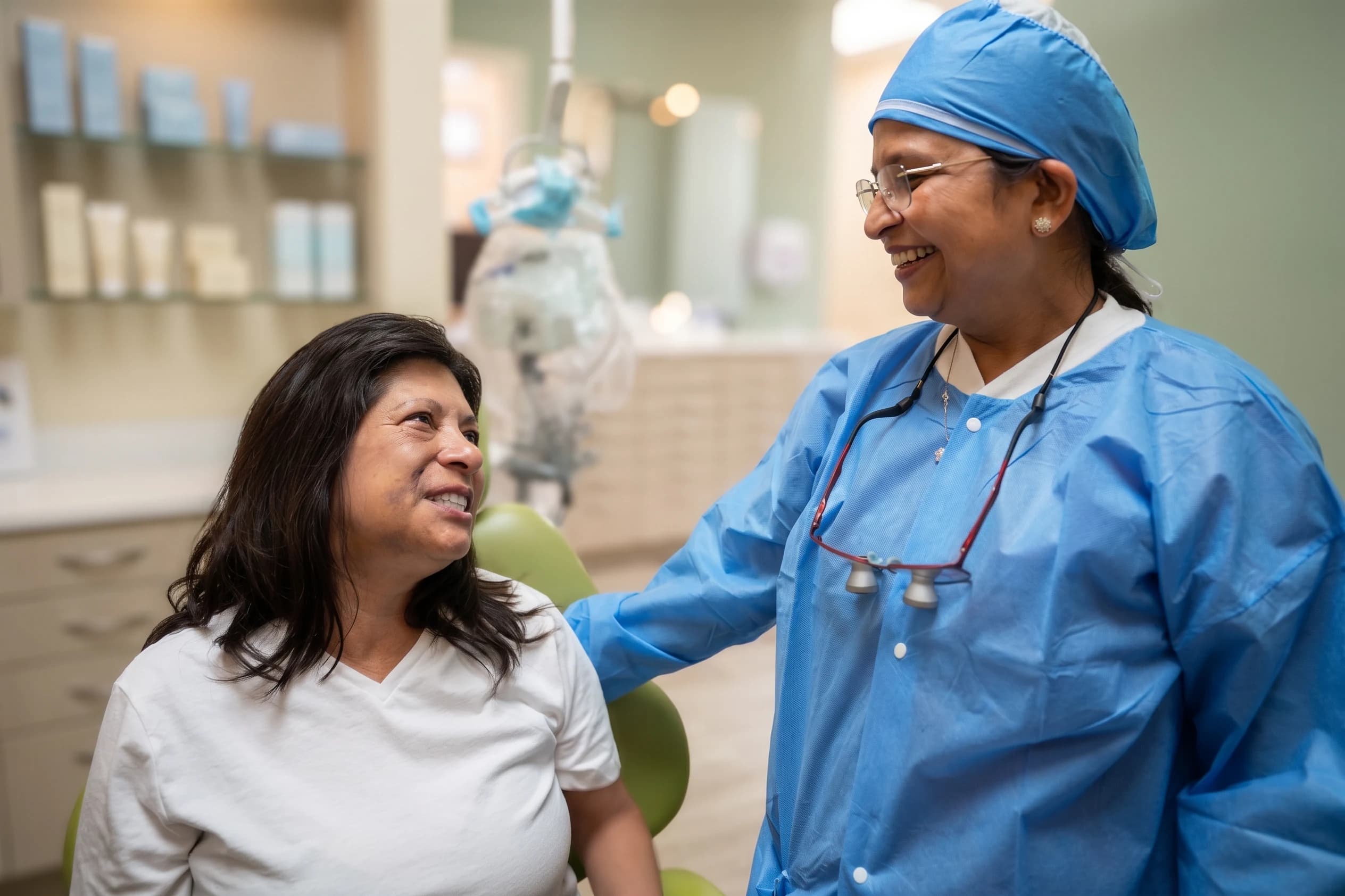
Follow-up visits are where the quiet, invisible part of recovery gets checked. Your surgeon confirms each of the six implants is integrating on schedule, adjusts your bite, and green-lights firmer foods when your bone is ready. Because the same two surgeons who plan and place your case — Dr. Sam Jain and Dr. Arpana Gupta, both ICOI Masters — are the ones who follow you through healing and make your final teeth, there's no handoff to a stranger if a question comes up. We also take on and rescue failed implants placed elsewhere, so if you've had a rough experience before, healing here is monitored closely.
One reassurance worth stating plainly: long-term implant survival is high — studies commonly cite figures around 95% over ten years — but your own outcome depends on how well the arch heals now and how you care for it after. Follow the soft-diet timeline, keep the sites clean, skip the tobacco, and come to your check-ups, and you're doing the things that actually move those odds. If you're weighing All-on-6 against a removable option, our implants vs. dentures comparison covers the day-to-day difference, and a free consultation with a 3D scan is how the right plan for your mouth gets decided.
Written and medically reviewed by Dr. Sam Jain, DMD, MS, and Dr. Arpana Gupta, DDS, MDS, who own this practice.
This article is patient education, reviewed by Dr. Sam Jain, DMD, MS, and Dr. Arpana Gupta, DDS, MDS, and is not a substitute for an exam. Treatment recommendations are made only after an in-person consultation and 3D imaging.