What Changes the Price of All-on-4? Five Cost Factors
The real price drivers behind an All-on-4 arch, why quotes vary so wildly, and how most of our patients pay for it monthly instead of all at once.
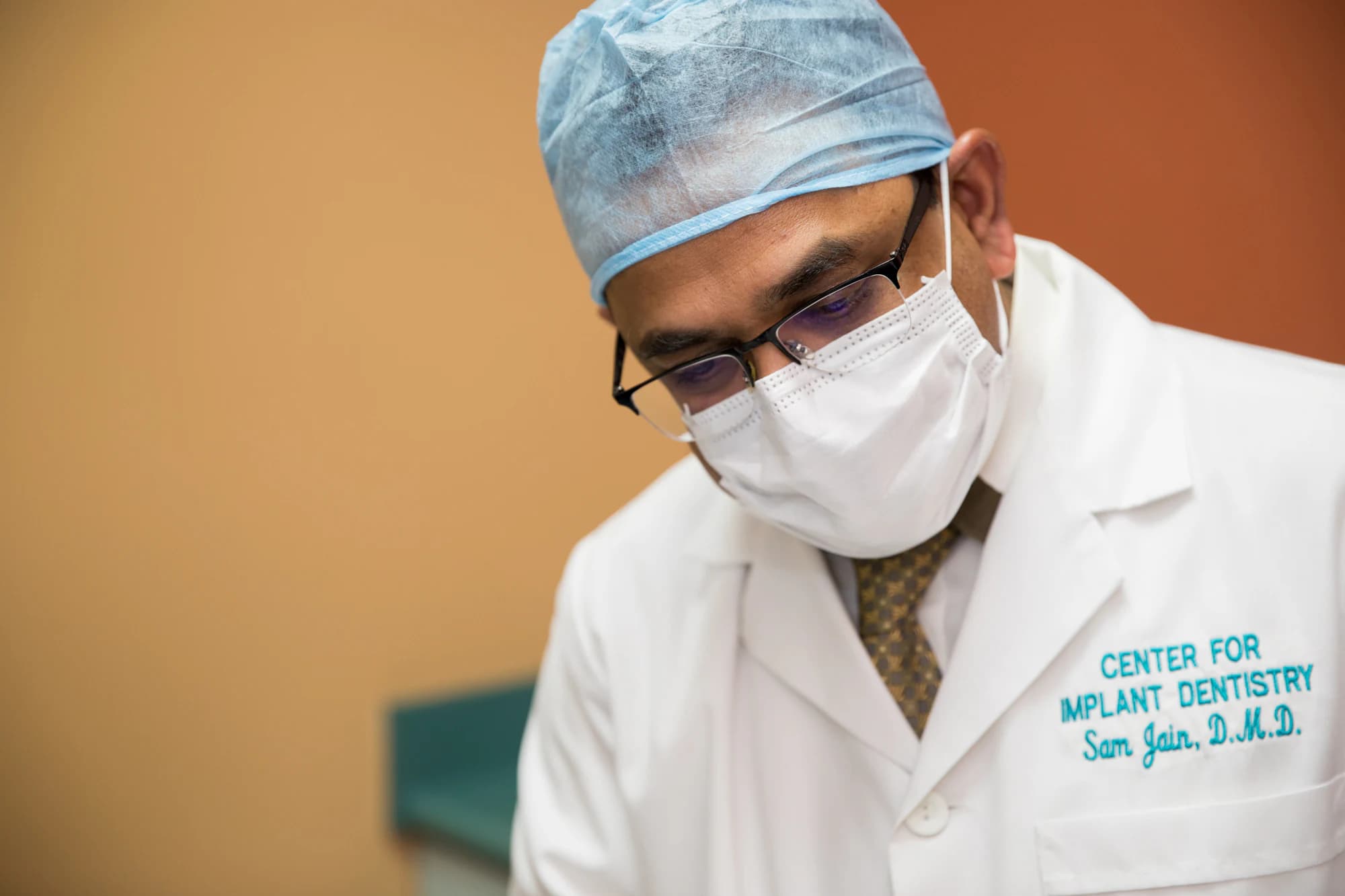
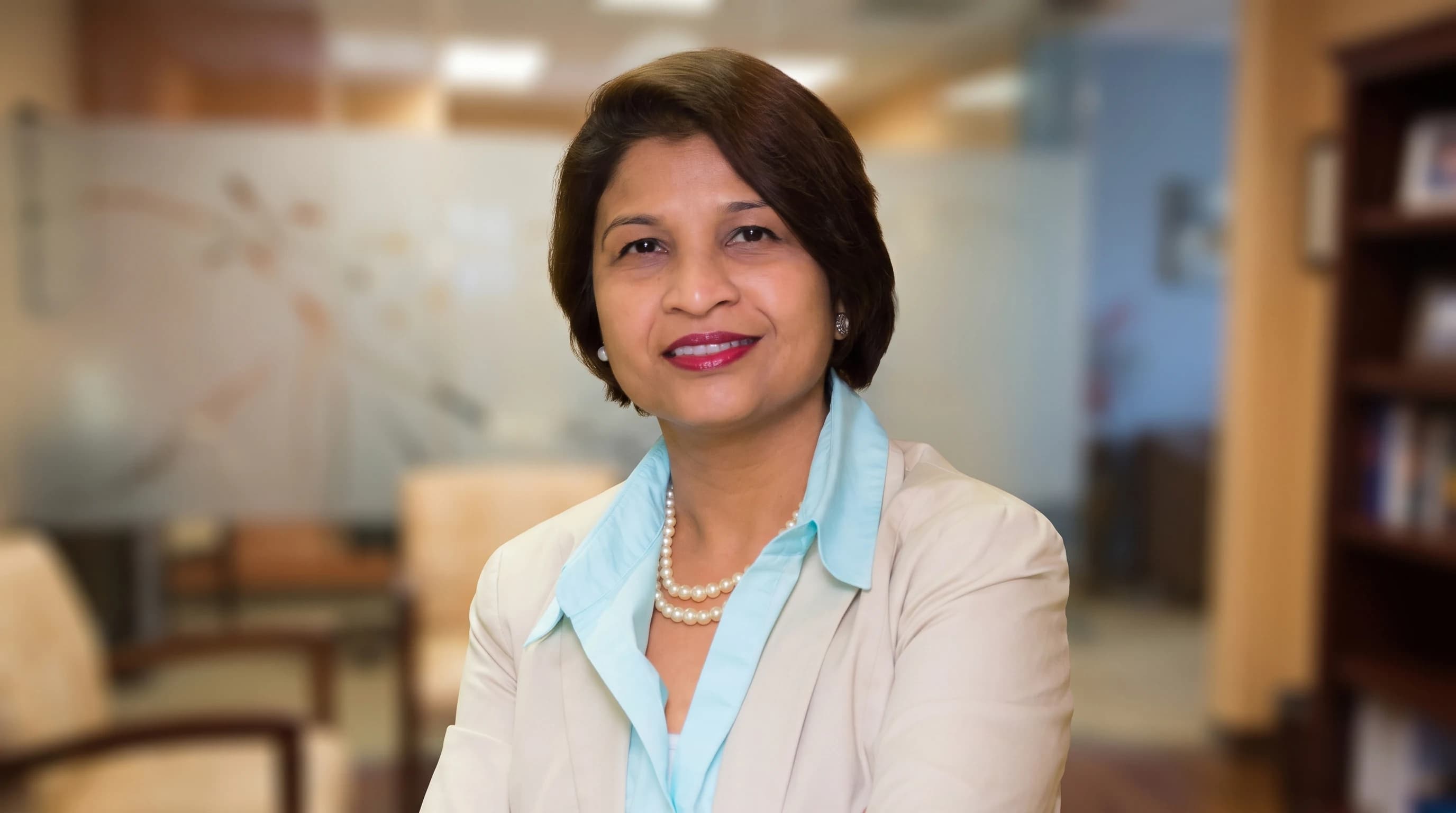
Written and medically reviewed by Dr. Sam Jain, DMD, MS, and Dr. Arpana Gupta, DDS, MDS
Published · Updated
The Short Version: What All-on-4 Actually Costs
Across the United States, a single arch of All-on-4 dental implants typically runs somewhere between $20,000 and $35,000, and some practices quote higher. At most offices the price depends on your mouth, not a menu — bone volume, any extractions or grafting, sedation, and the final material all move the number. Here, All-on-4 is one fixed, all-included per-arch fee that covers all of those; an arch that needs six or eight implants, or zygomatic implants, is quoted only in writing after a free 3D scan.
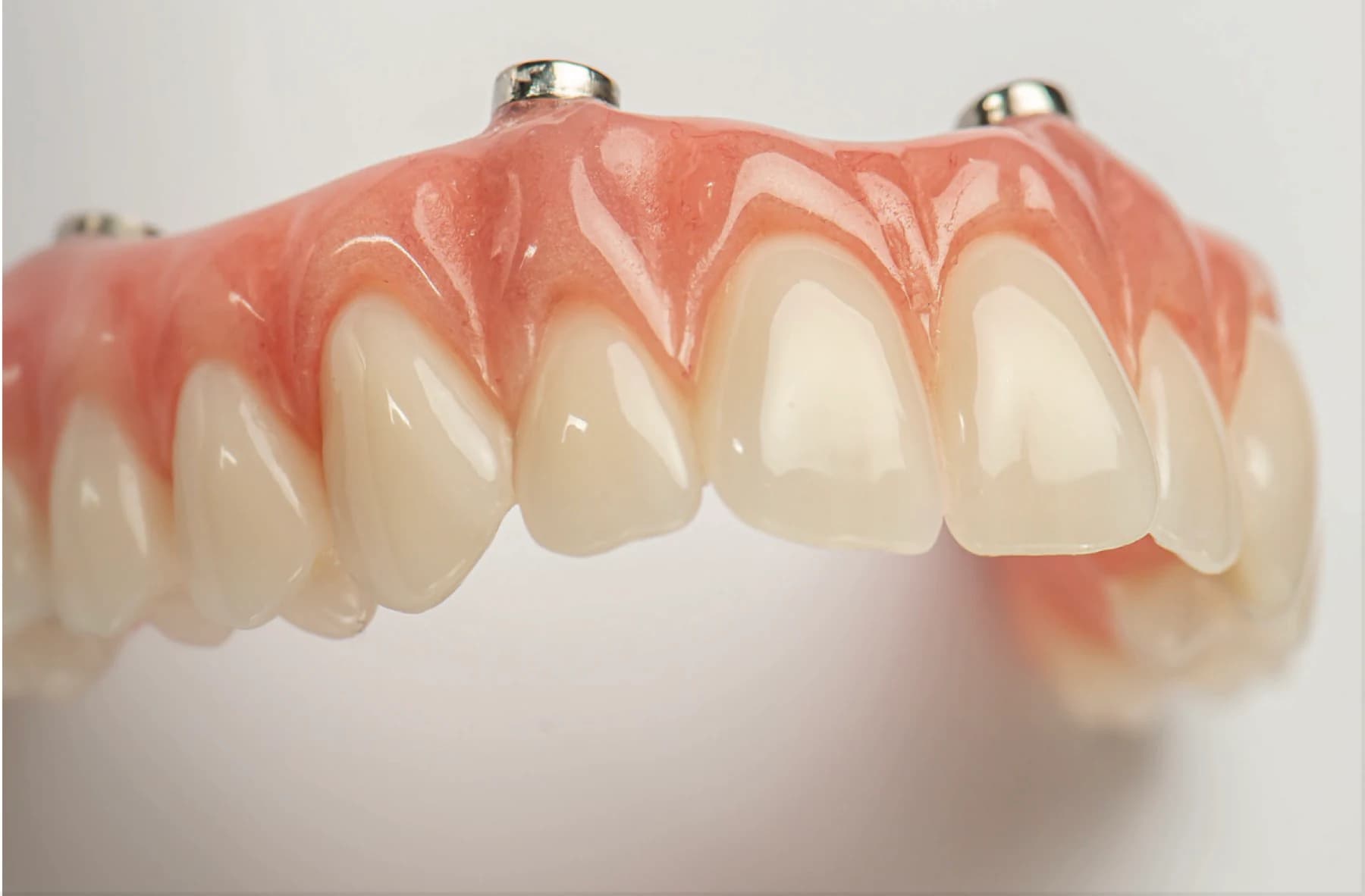
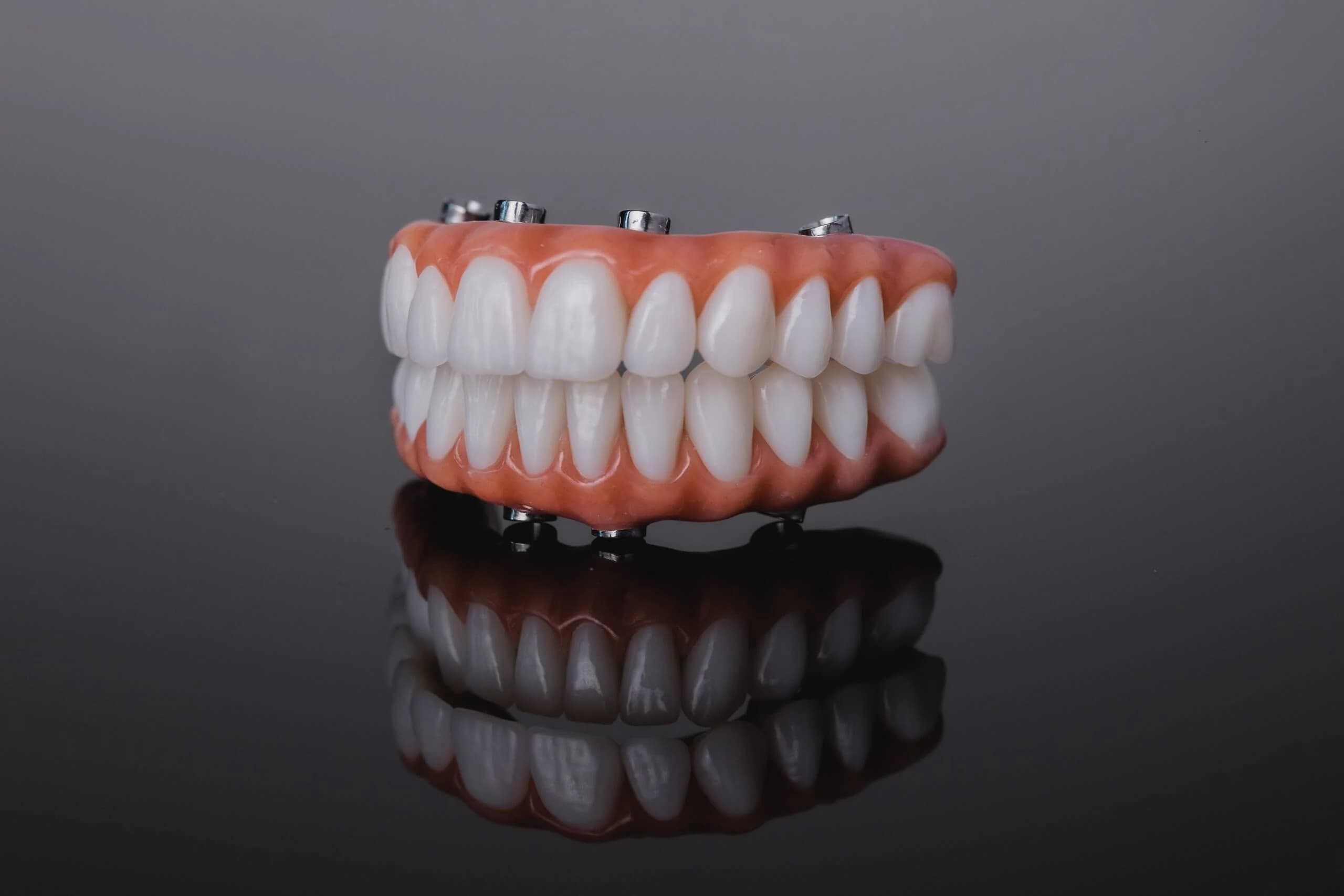
All-on-4 replaces a full jaw of missing or failing teeth with just four titanium implants that anchor one fixed bridge. The reason it costs a fraction of doing eight or ten single implants is the whole point of the design: fewer implants, angled to grab the densest bone you have left, so most people avoid the grafting that drives cost and timeline up. If you are weighing the bigger picture across all tooth-replacement options, our honest breakdown of dental implant cost walks through the full ledger.
One thing to ignore: the number a receptionist gives you over the phone. Nobody can tell whether your arch is a four-implant All-on-4 at our fixed fee, or a six- or eight-implant arch quoted in writing, without seeing a 3D scan of your bone. A real quote comes after imaging — which is why our first consultation and 3D CBCT scan are free, a $499 value elsewhere.
The Five Things That Move Your Price
First, how much bone you have. All-on-4 was engineered specifically to work in shrunken jawbone, so many patients skip grafting entirely. But if years in a denture have melted the ridge, you may need bone grafting or a sinus lift first — real added cost at most offices, though our fixed All-on-4 fee includes the bone grafting the arch needs. For the rare 'I was told I have no bone' cases, zygomatic implants anchor into the cheekbone and can rescue an arch that other offices called hopeless.
Second, the material of the teeth. A provisional acrylic bridge costs less than a solid milled-zirconia final, though our All-on-4 fee includes either, your choice. Zirconia resists staining, chipping, and wear far better, and it is what you want chewing steak for the next twenty years. Third, whether teeth still need to come out — extractions, often done the same day as implant placement, add to the total at most offices; here they are inside the All-on-4 fee.
Fourth, sedation. Most patients want IV sedation for a full-arch surgery. Most offices bill it as its own line — typically $400–$900 — while our All-on-4 fee includes it; on a six- or eight-implant arch it appears on your written plan before you commit, never as a surprise on the final bill. Fifth — and this is the one nobody advertises — who does the work and where the teeth are made. A lot of national chains fly in a surgeon for placement, then ship your case to an outside lab and hand you temporaries for six to eight months. Every handoff adds markup and delay.
Where the Money Actually Goes — And What You Get
We cut cost by cutting middlemen, not corners. Dr. Sam Jain and Dr. Arpana Gupta — both ICOI Masters — personally plan, place, and restore every case. There is no fly-in surgeon, no separate restoring dentist across town, no case shipped out and marked up. It all happens under one roof in Fremont.
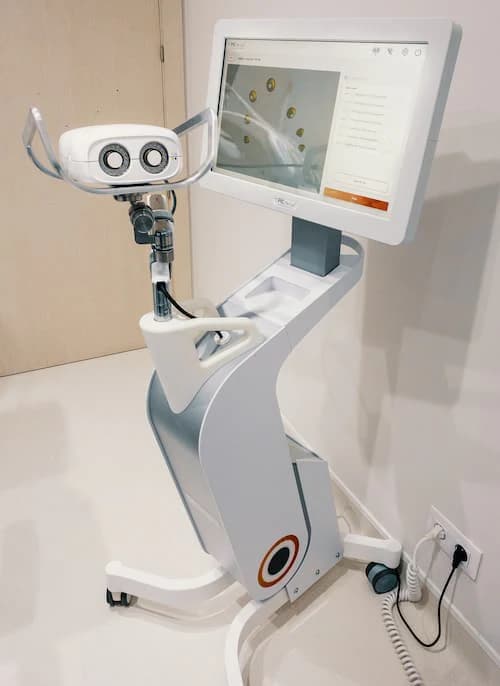
The teeth are milled in our own in-house CAD/CAM zirconia lab, so you are not paying an outside lab's margin, and you are not living in temporaries for half a year. For a full arch, many patients receive custom-milled teeth in about 72 hours; single and smaller cases can finish in about 24 hours. That is possible because of guided surgery with X-Guide and Navident EVO and a free 3D CBCT for planning — you can see how the technology shortens the timeline.
It is also worth knowing All-on-4 is not the only option. Some jaws — or some patients who simply want more support under a heavy zirconia bridge — are better served by more implants. Dr. Jain developed the All-on-8 Robust protocol for exactly that, and your surgeon will tell you honestly whether four is enough for you. If you are early in the decision, our pages on All-on-4 and on implants versus dentures lay out the trade-offs plainly.
Making It Affordable: Financing and Insurance
Almost nobody writes a check for a full arch, and you should not feel like you have to. About 92% of our full-arch patients finance the treatment. Through Cherry, CareCredit, Proceed, and Happen Bank, a single arch commonly comes down to a manageable monthly payment, with plans that often include interest-free windows for those who qualify — your terms depend on the lender and your credit.
Dental insurance rarely covers the whole cost of All-on-4, but many PPO plans do pay toward extractions, the implants, or the prosthetic, and that reduces your out-of-pocket. We are in-network with many PPOs — Delta, Aetna, Cigna, MetLife, Guardian, UnitedHealthcare, Anthem Blue Cross, and Blue Shield of California among them. We do not accept Medicare, Medi-Cal, or HMO plans.
The most useful thing you can do is stop guessing from web averages and get a real number for your mouth. Bring your questions and your insurance card, we will do the 3D scan and the math together, and you will leave knowing the full cost and the monthly figure before you commit to anything. When you are ready, book the free consultation.
Written and medically reviewed by Dr. Sam Jain, DMD, MS, and Dr. Arpana Gupta, DDS, MDS, who own this practice.
This article is patient education, reviewed by Dr. Sam Jain, DMD, MS, and Dr. Arpana Gupta, DDS, MDS, and is not a substitute for an exam. Treatment recommendations are made only after an in-person consultation and 3D imaging.