Are You a Candidate for Same-Day Dental Implants?
Most people who want teeth in a day can have them — but "same-day" hinges on one thing your gums can't show you, and a 3D scan settles it in an afternoon.
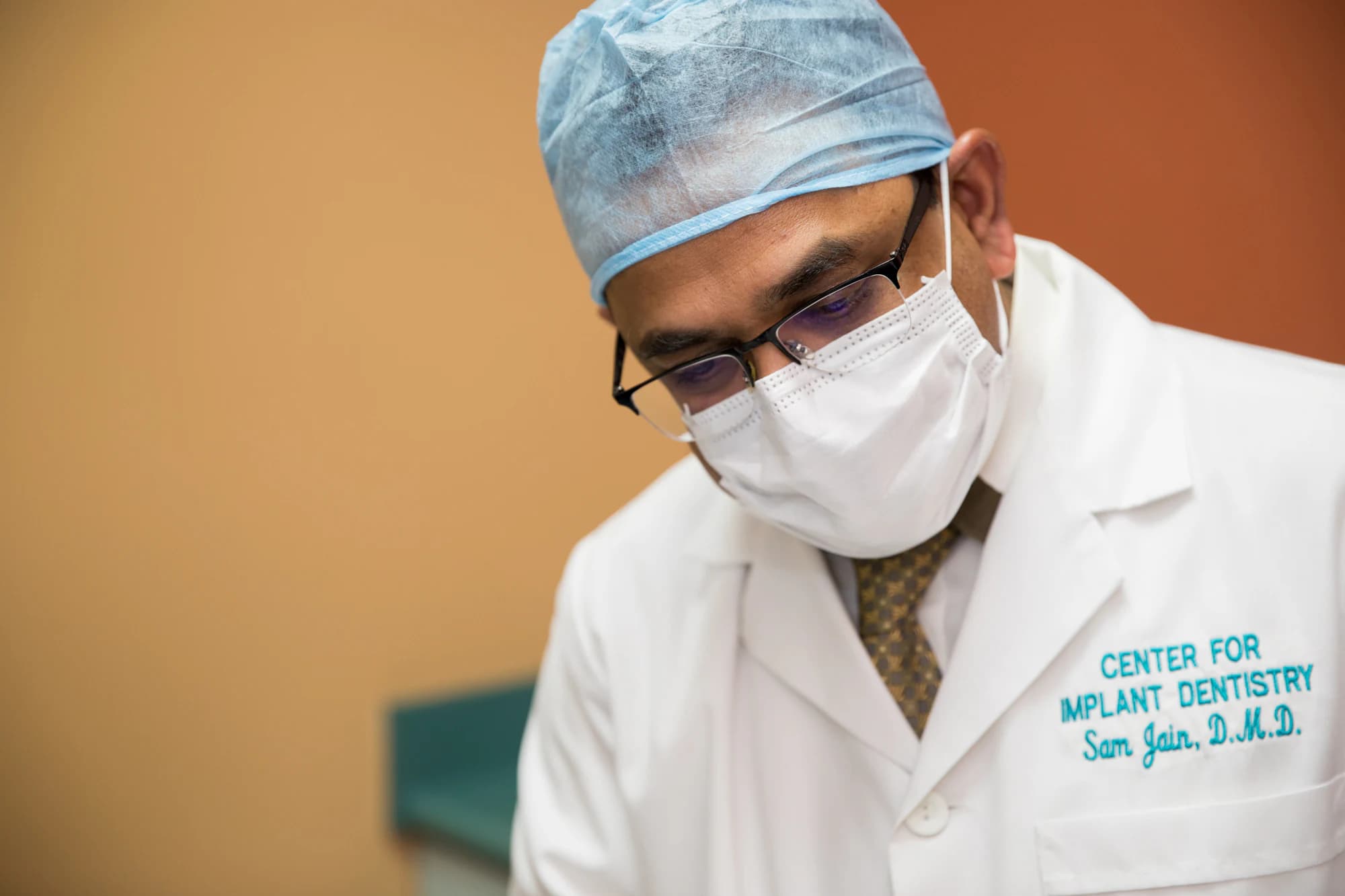

Written and medically reviewed by Dr. Sam Jain, DMD, MS, and Dr. Arpana Gupta, DDS, MDS
Published · Updated
Probably — and Here's What Actually Decides It
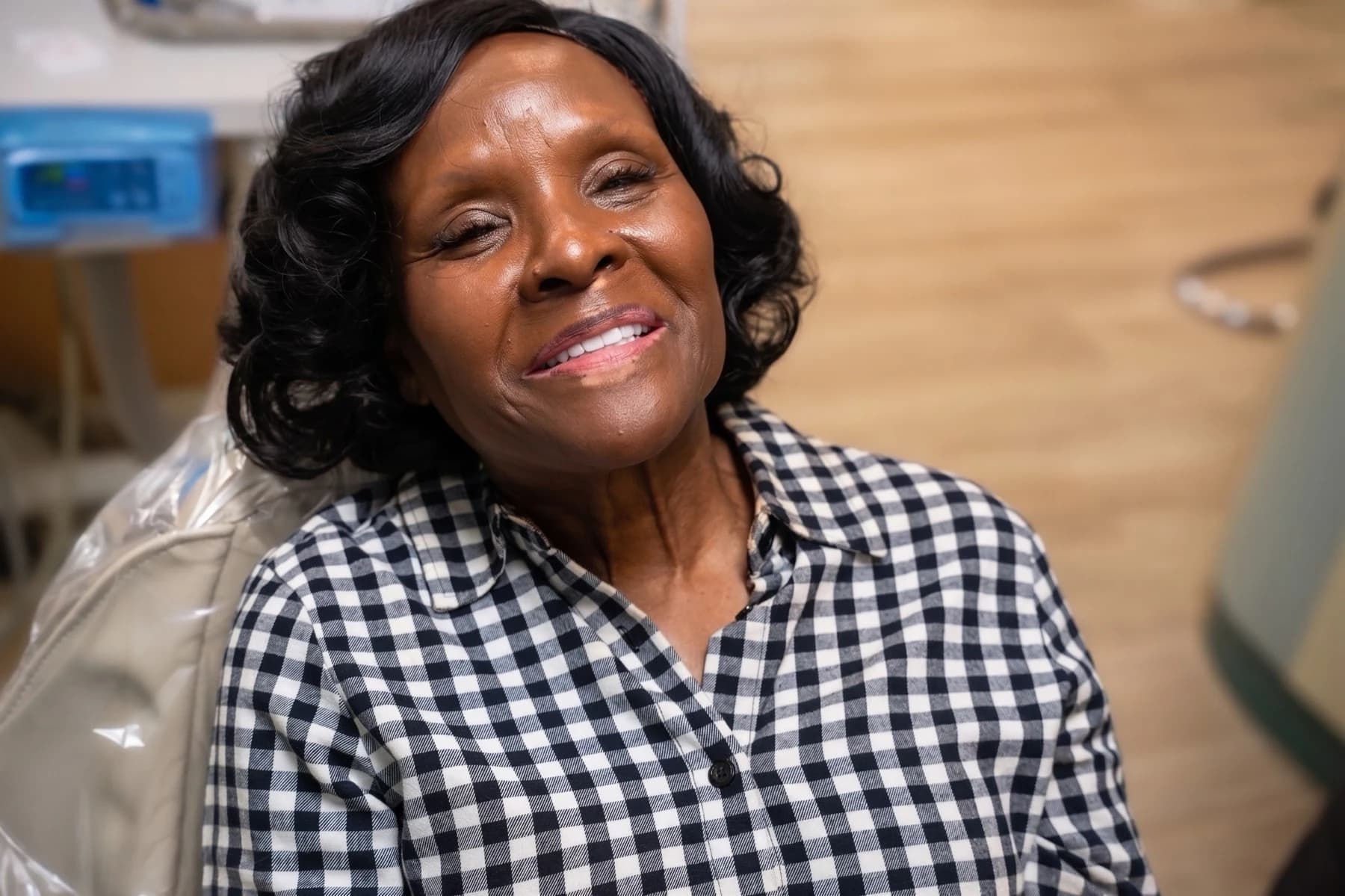
Most adults who need one tooth or a full set replaced are candidates for same-day dental implants. The bar is lower than people fear, and being turned down for teeth-in-a-day is the exception, not the rule. But same-day isn't decided by how you feel or how your smile looks — it's decided by one measurable thing at the moment the implant goes in: primary stability. That's how tightly the implant grips your bone the second it's placed.
Here's why that matters. A regular implant gets left alone for a few months to fuse with bone before it carries a tooth. A same-day implant skips the waiting by attaching a tooth right away, so it has to be solid enough on day one to handle that. Surgeons measure this in real numbers — insertion torque, usually around 35 Ncm or higher — and if an implant hits that mark, it's a green light for a same-day tooth. If it doesn't, the smarter move is to let it heal first. Same implant, same excellent long-term result; just a few weeks' difference in the timeline.
So the honest way to think about candidacy is this: you almost certainly qualify for implants, and you very likely qualify for the same-day version. The only reliable way to confirm the same-day part is to measure your bone before surgery and, for many cases, confirm the grip during it. That's what the free 3D scan at your consultation is for.
The Two Things That Matter Most: Bone and the Extraction Question
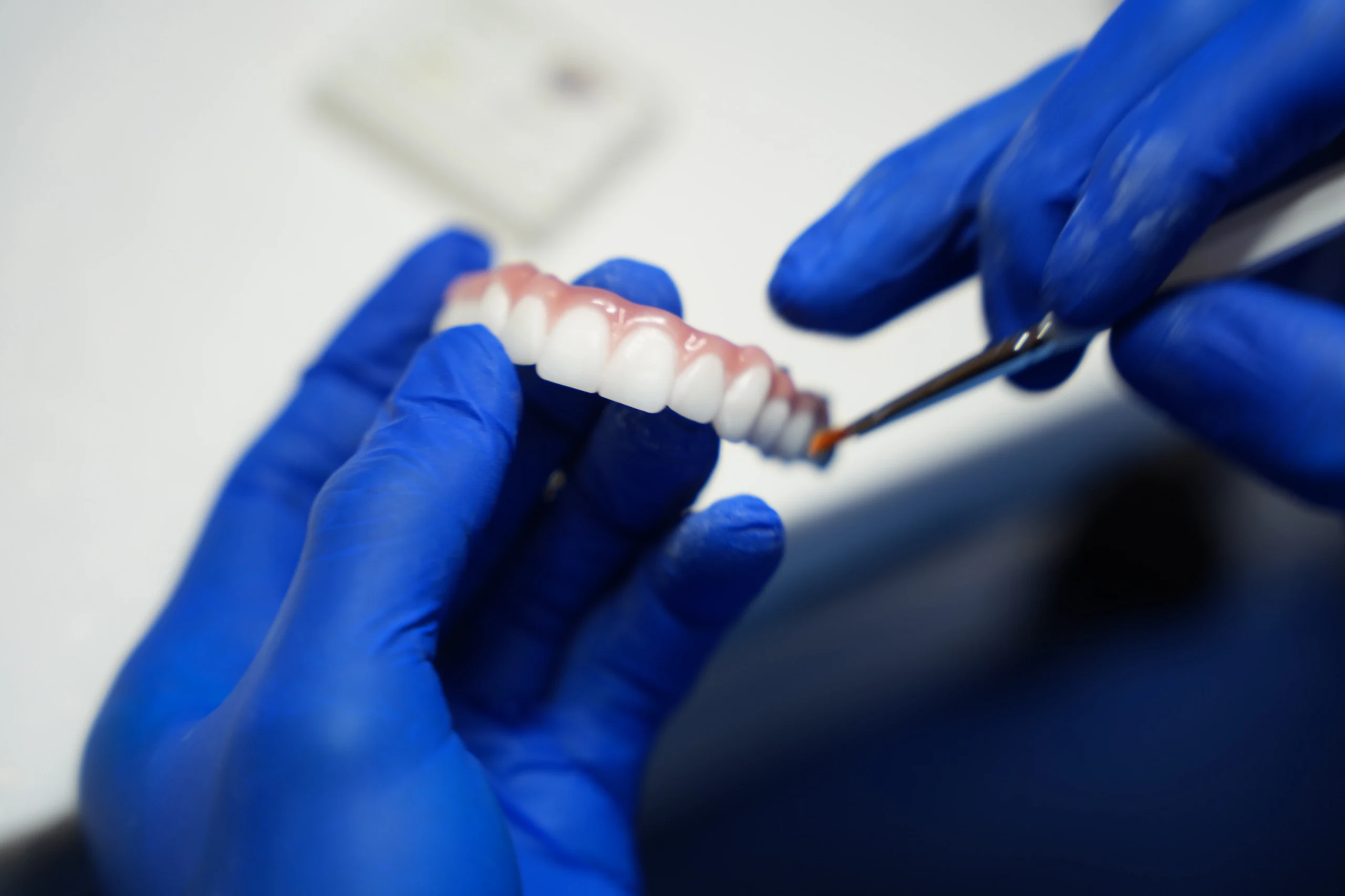
Bone is the foundation. An implant needs enough height and width of healthy bone to sit in firmly, and a flat X-ray can't show that — it takes a 3D CBCT scan to measure your jaw in all three dimensions. On that scan, your surgeon can see exactly where the solid bone is and plan implant positions that will grip on day one. Our center does that scan free (a $499 value) and reviews it with you, so the same-day question gets answered from your actual anatomy instead of a guess.
What if you were told you don't have enough bone? That rules a lot of people out of same-day treatment at ordinary offices — but not here. Thin or resorbed bone can often be built up first, or the plan can shift to angled implants that reach the solid bone you already have, as in All-on-4 full-arch cases. For severely deficient upper jaws where grafting would mean months of waiting, zygomatic implants anchor into the dense cheekbone and can still deliver fixed teeth in a single surgery. "No bone" is one of the cases this practice was built to take, not turn away.
The other common question is whether a failing tooth has to come out first and heal before an implant goes in. Usually not. In many cases the tooth is removed and the implant placed in the same appointment — an extraction and immediate implant — sometimes with a sinus lift at the same visit when the upper back jaw needs it. Whether your fresh socket can also carry a tooth that same day again comes back to primary stability, which your surgeon confirms as the implant is placed.
Health Factors That Change the Plan (But Rarely Cancel It)
A handful of health issues genuinely affect how well implants heal, and being upfront about them leads to a better outcome. Uncontrolled diabetes slows healing and raises the risk of an implant not fusing — but well-managed diabetes typically sees success rates close to everyone else's. Heavy smoking reduces blood flow to the gums and lowers success rates, so cutting back matters most in the weeks around surgery. Active gum disease should be brought under control first, since the same bacteria that loosen teeth can threaten implants.
Untreated teeth grinding, or bruxism, is worth flagging too. It doesn't disqualify you, but the heavy, repeated force can overload teeth and implants, so your plan may include a nightguard or a more robust implant design to spread the load. This is exactly the kind of engineering problem Dr. Sam Jain — who holds a master's in mechanical engineering alongside his dental degree — designed the All-on-8 Robust protocol to solve, using extra anchor points so a strong bite has more support to push against.
The takeaway most patients find reassuring: these factors usually reshape the plan rather than end it. Age by itself is almost never a barrier — plenty of healthy patients in their 70s and 80s do beautifully. What your surgeon needs is an honest medical history and that 3D scan, so the plan is built around your real situation. If you want to see how candidacy is assessed in more detail, our implant candidacy page walks through what actually rules people in and out.
Why 'Same-Day' Means Different Things at Different Offices
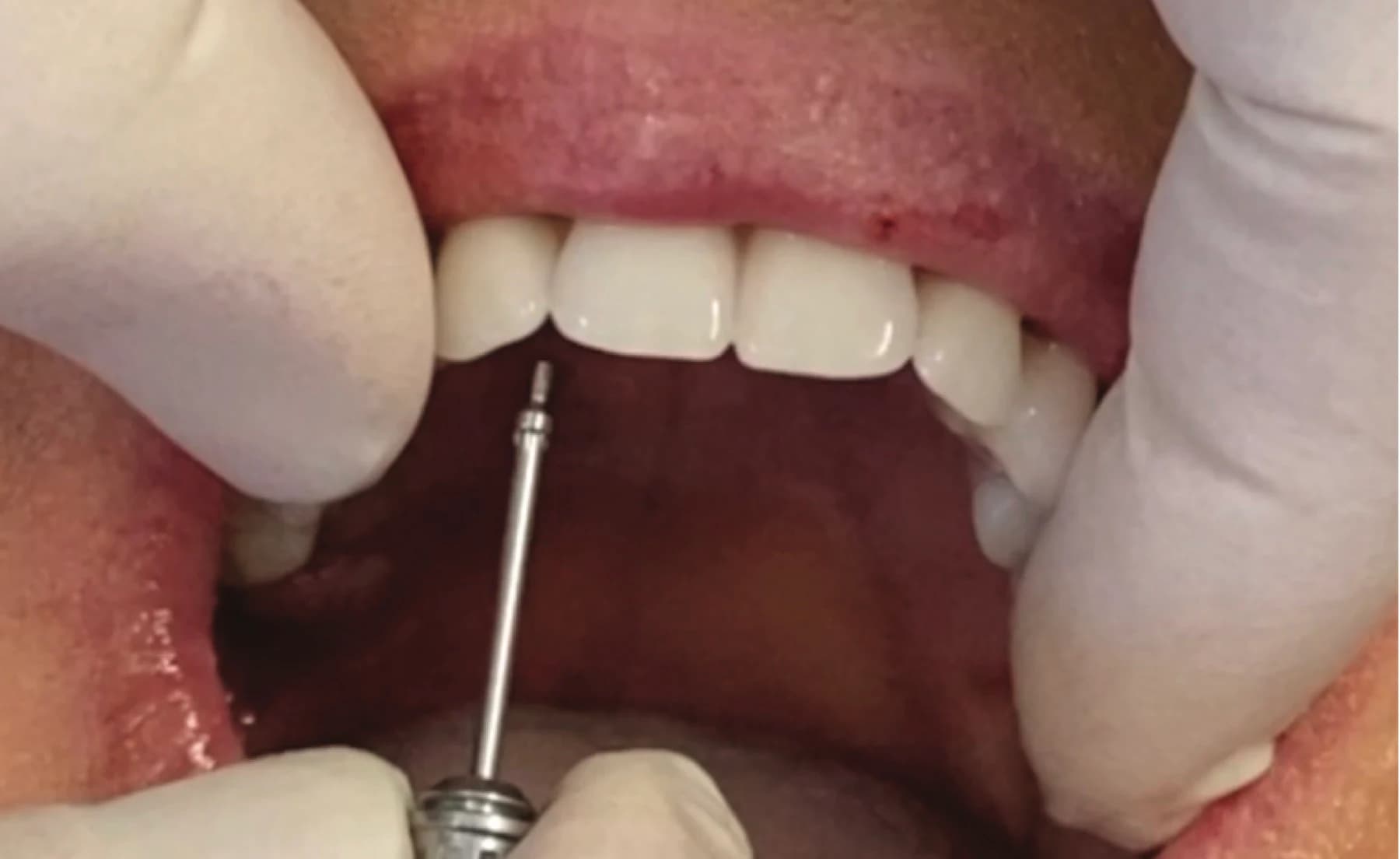
It's worth knowing what you're actually being promised, because "same-day" and "teeth in a day" get used loosely. At many practices, same-day means you leave with a temporary tooth — often acrylic — and wait six to eight months for the permanent one from an outside lab. That works, but it's a long stretch in a placeholder. Here, everything happens under one roof: guided surgery with X-Guide and Navident navigation, IV sedation so the visit is comfortable, and an in-house CAD/CAM zirconia mill that produces your final custom teeth in roughly 24 hours for a single implant or a few, and about 72 hours for a full arch.
The other quiet difference is who does the work. Dr. Sam Jain and Dr. Arpana Gupta — a married team of ICOI Masters — personally plan, place, and restore every case. There are no fly-in surgeons who place your implants and disappear, leaving someone else to sort out your bite. That continuity is part of why this center is comfortable taking the harder cases, including rescuing failed implants placed elsewhere. Same-day candidacy is easier to assess honestly when the person judging your bone is the same person who will restore it.
If you're weighing the whole decision — cost, timeline, fixed teeth versus removable — a couple of pages are worth a look: what implants cost and how to finance them, and implants versus dentures if you're still deciding between the two. But the fastest way to know whether you personally qualify for same-day is to have your bone measured. Book a free consultation and 3D scan; for most people, the news is better than they expected.
Written and medically reviewed by Dr. Sam Jain, DMD, MS, and Dr. Arpana Gupta, DDS, MDS, who own this practice.
This article is patient education, reviewed by Dr. Sam Jain, DMD, MS, and Dr. Arpana Gupta, DDS, MDS, and is not a substitute for an exam. Treatment recommendations are made only after an in-person consultation and 3D imaging.