Pros and Cons of Same-Day Dental Implants
Walking out with teeth the day of surgery is a real advantage — but it isn't right for every mouth, and the honest trade-offs are worth knowing before you decide.
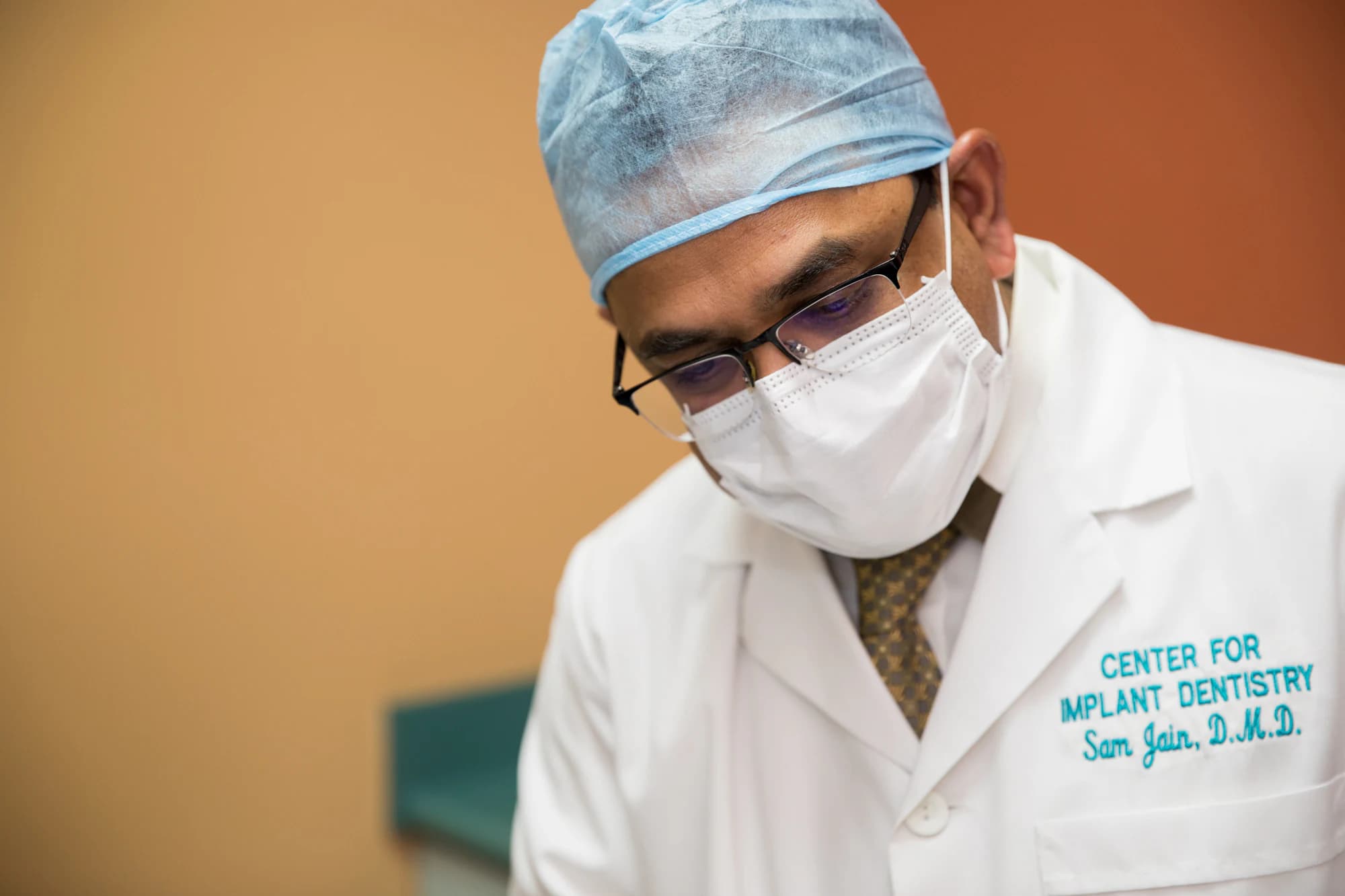

Written and medically reviewed by Dr. Sam Jain, DMD, MS, and Dr. Arpana Gupta, DDS, MDS
Published · Updated
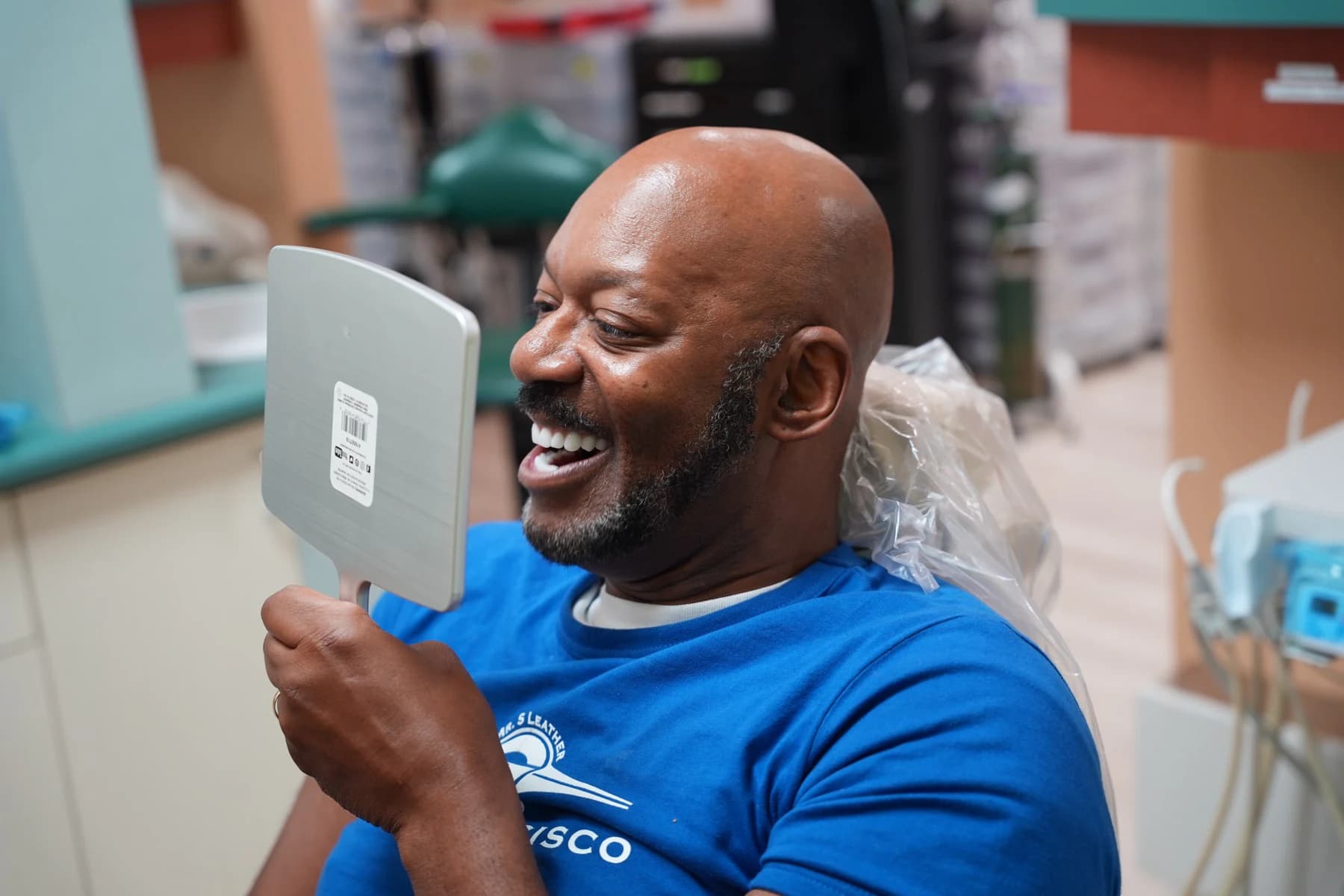
Are Same-Day Implants Worth It?
For most people who qualify, yes — but "worth it" depends on your bone, and that's the part the ads skip. Same-day implants let you leave surgery with fixed, working teeth instead of going home toothless or wearing a removable plate for months. That is a genuine, life-changing advantage for the right candidate. The catch is in those last three words. Same-day teeth rely on placing the implant firmly enough to bear a bite immediately, and not every jaw offers that on day one.
So the useful framing isn't "are they good or bad." It's a decision: does your particular anatomy make immediate teeth safe, or would waiting a few weeks give you a better long-term result? Both answers are common, and a 3D scan settles it — not a slogan. Below is the honest ledger of advantages and drawbacks, so you can weigh it the way a surgeon actually would.
One clarification that saves a lot of confusion up front: "same-day" means different things at different offices. At most clinics it means a temporary plastic tooth the day of surgery, with your real teeth still six to eight months out. At our center it means your final, custom-milled teeth — because we run the milling lab in-house. Keep that distinction in mind as you read; it changes several of the pros and cons below.
The Pros: What You Actually Gain
The headline benefit is obvious but not trivial: you don't spend a stretch of your life without teeth. You go in with failing or missing teeth and come out chewing, talking, and smiling on the same visit. For anyone who has worn a loose denture or dreaded a gap, that single day is the whole point. Fewer surgical visits is a real perk too — placement and the first set of teeth happen together, which means less time off work and, often, one round of anesthesia instead of two.
There's a biological argument as well. Getting a fixed tooth onto the implant right away can help shape and support the gum tissue while it heals, so the final result often looks more natural at the gumline — especially for a front tooth, where a shrunken or uneven gum shows. And placing an implant into a fresh extraction socket the same day the tooth comes out, where the anatomy allows it, can preserve bone that otherwise starts to shrink the moment a tooth is gone. Our extraction-and-immediate-implant approach is built around exactly that window.
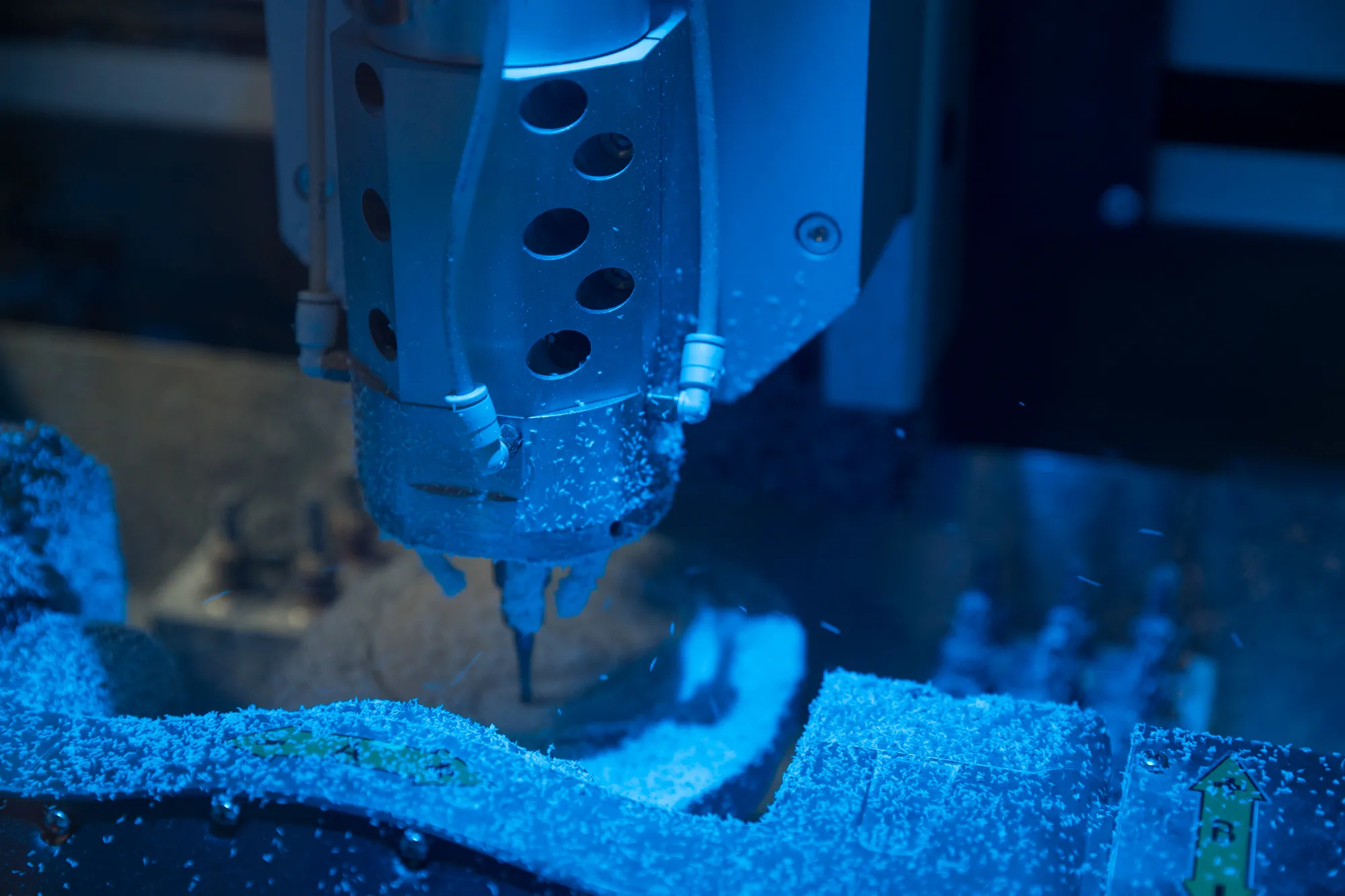
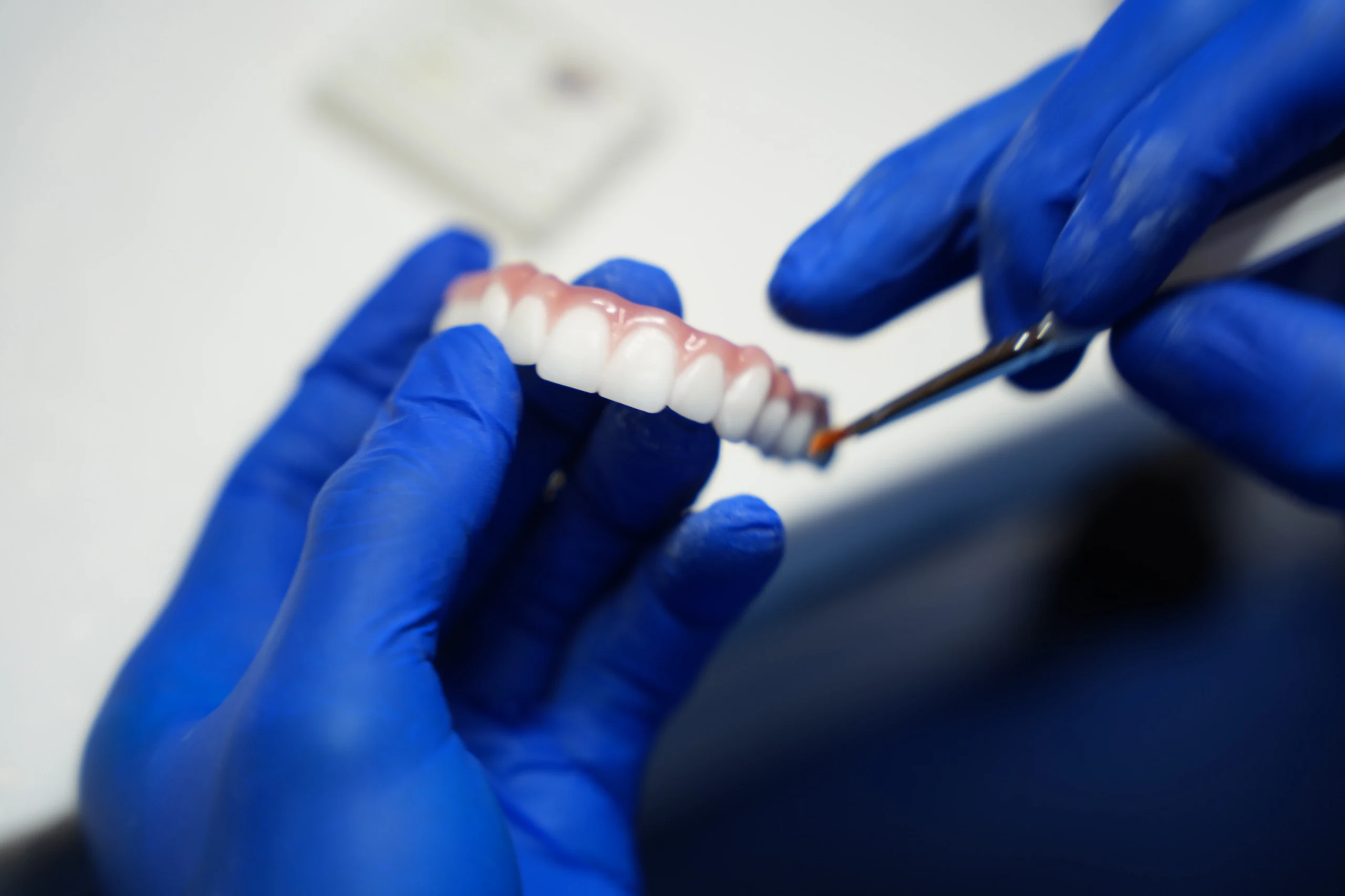
Here's where the in-house piece matters most. The usual same-day trade — quick teeth now, but plastic temporaries for half a year — mostly disappears when the lab is under the same roof. Because our engineer mills final teeth on-site, qualifying single and multiple-implant patients can receive their permanent tooth in as little as 24 hours, and full-arch patients get final custom-milled teeth in about 72 hours rather than months. That collapses one of the biggest downsides of same-day care into a non-issue for most of our patients.
The Cons: The Honest Drawbacks
Now the trade-offs, stated plainly. The first is a modest but real difference in the numbers. Well-run studies put survival of immediately loaded implants at roughly 94–96%, versus about 97–99% for the delayed approach — a small gap that largely closes when cases are chosen carefully and the implant is placed with enough initial grip in the bone. That last condition is the whole game: immediate loading is dependable when primary stability is there, and riskier when it isn't. This is precisely why a good surgeon will sometimes tell you to wait, and why we'd rather do that than force a same-day result your bone can't back up.
The second drawback is candidacy. Soft or thin bone, an active infection, heavy uncontrolled grinding, or a jaw that simply won't hold the implant tightly on placement can all make immediate teeth the wrong call. In those situations the fix usually isn't "you can't have implants" — it's a short healing period first, or bone grafting or a sinus lift to build a foundation, or for a severely resorbed upper jaw, zygomatic implants anchored in the cheekbone. It's a different route to the same destination, and your candidacy is confirmed on a scan, not assumed.
The third is behavioral, and it's on you. Same-day teeth demand real discipline in the first weeks: a soft diet, no chewing on the new implant while it fuses to bone, and careful hygiene. Load an immediate implant too hard, too soon, and you can jeopardize the very stability the whole approach depends on — which is why our post-op instructions are specific rather than generic. And at clinics that hand you a temporary, that plastic set can stain, loosen, or crack over the months you're waiting — a hassle that mostly evaporates when your finals arrive in days instead.
Who Same-Day Implants Suit — and Who Should Wait
Same-day implants tend to be an excellent fit when you have solid bone that lets the implant seat firmly, you're replacing a failing tooth or a full arch, and you want to avoid a long stretch without teeth. Full-arch cases in particular are often ideal candidates: spreading a fixed bridge across four or more implants can create the collective stability that makes immediate teeth predictable, which is a big reason All-on-4 and Dr. Sam Jain's All-on-8 Robust protocol are so often done same-day. If you're still deciding between fixed teeth and a plate at all, our implants vs. dentures comparison is a useful next read.
It's smarter to wait when a scan shows soft bone, low placement stability, active infection, or a severe grinding habit that would overload a fresh implant. Waiting a few weeks isn't a downgrade — it's how you protect the long-term result, and an honest surgeon will show you on your own images exactly why. Deciding this well takes more than an X-ray: it takes a 3D CBCT scan, guided surgery to place each implant precisely, and the judgment to read stability at the moment of placement. Having planning, advanced technology, IV sedation, and the mill all in one building is what lets that call be made accurately, case by case.
One more thing worth weighing, because it protects everything above: who does the work, and what it costs. At the Center for Implant Dentistry, Dr. Sam Jain and Dr. Arpana Gupta — a married team of ICOI Masters — personally plan, place, and restore every case, with no fly-in surgeon handing your bite to someone else, and they take the hard cases and rescue failed implants placed elsewhere. Roughly 92% of full-arch patients finance their treatment, and the consultation with a 3D scan is free — see the cost breakdown or book a consultation and get a straight answer on your own anatomy.
Written and medically reviewed by Dr. Sam Jain, DMD, MS, and Dr. Arpana Gupta, DDS, MDS, who own this practice.
This article is patient education, reviewed by Dr. Sam Jain, DMD, MS, and Dr. Arpana Gupta, DDS, MDS, and is not a substitute for an exam. Treatment recommendations are made only after an in-person consultation and 3D imaging.