What Is a One-Day Implant? How Teeth-in-a-Day Works
The immediate-load idea explained plainly — how a titanium root goes in and a working tooth comes out the same day, and what has to be true for that to be safe.
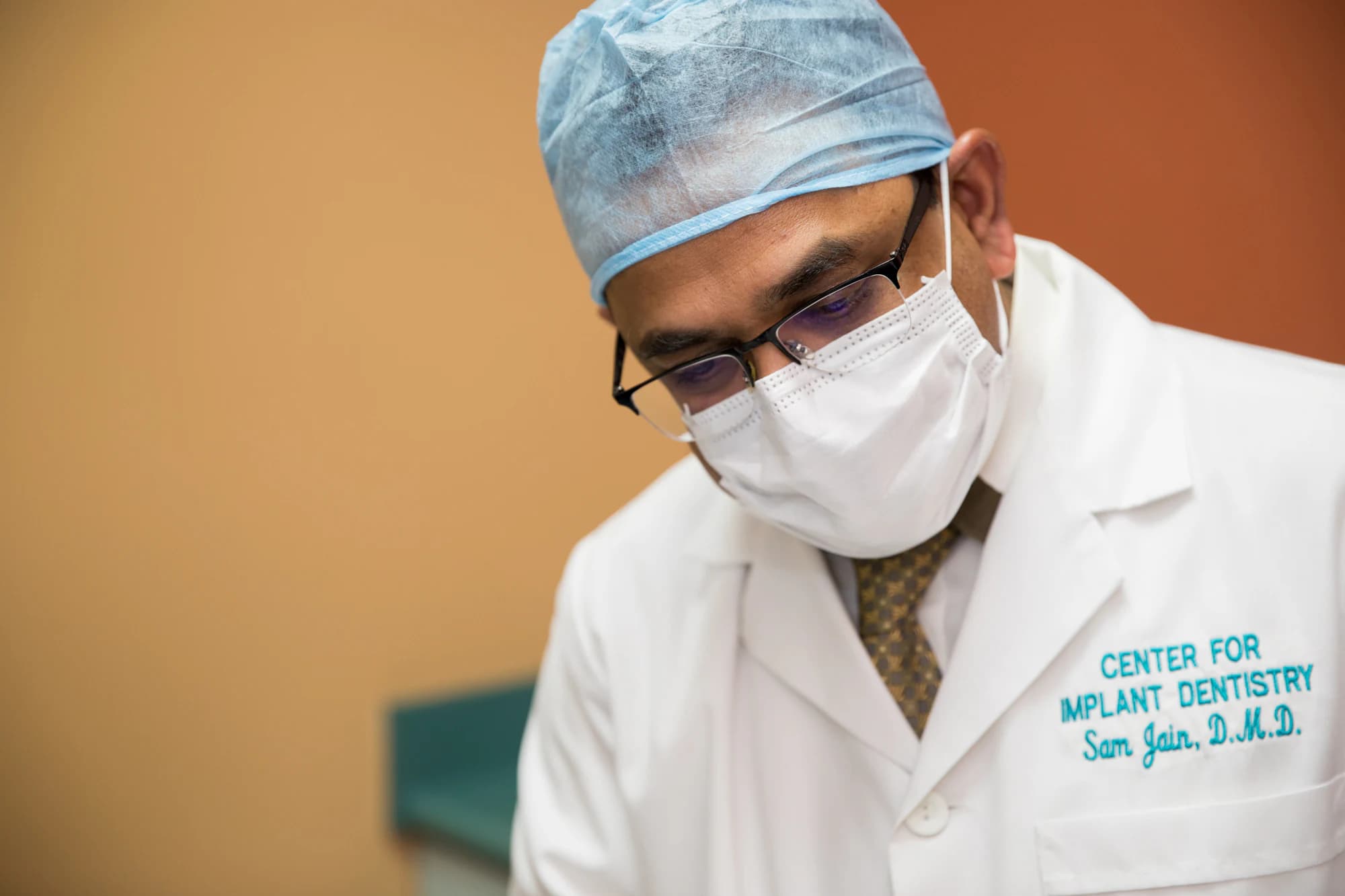

Written and medically reviewed by Dr. Sam Jain, DMD, MS, and Dr. Arpana Gupta, DDS, MDS
Published · Updated
What a One-Day Implant Actually Means
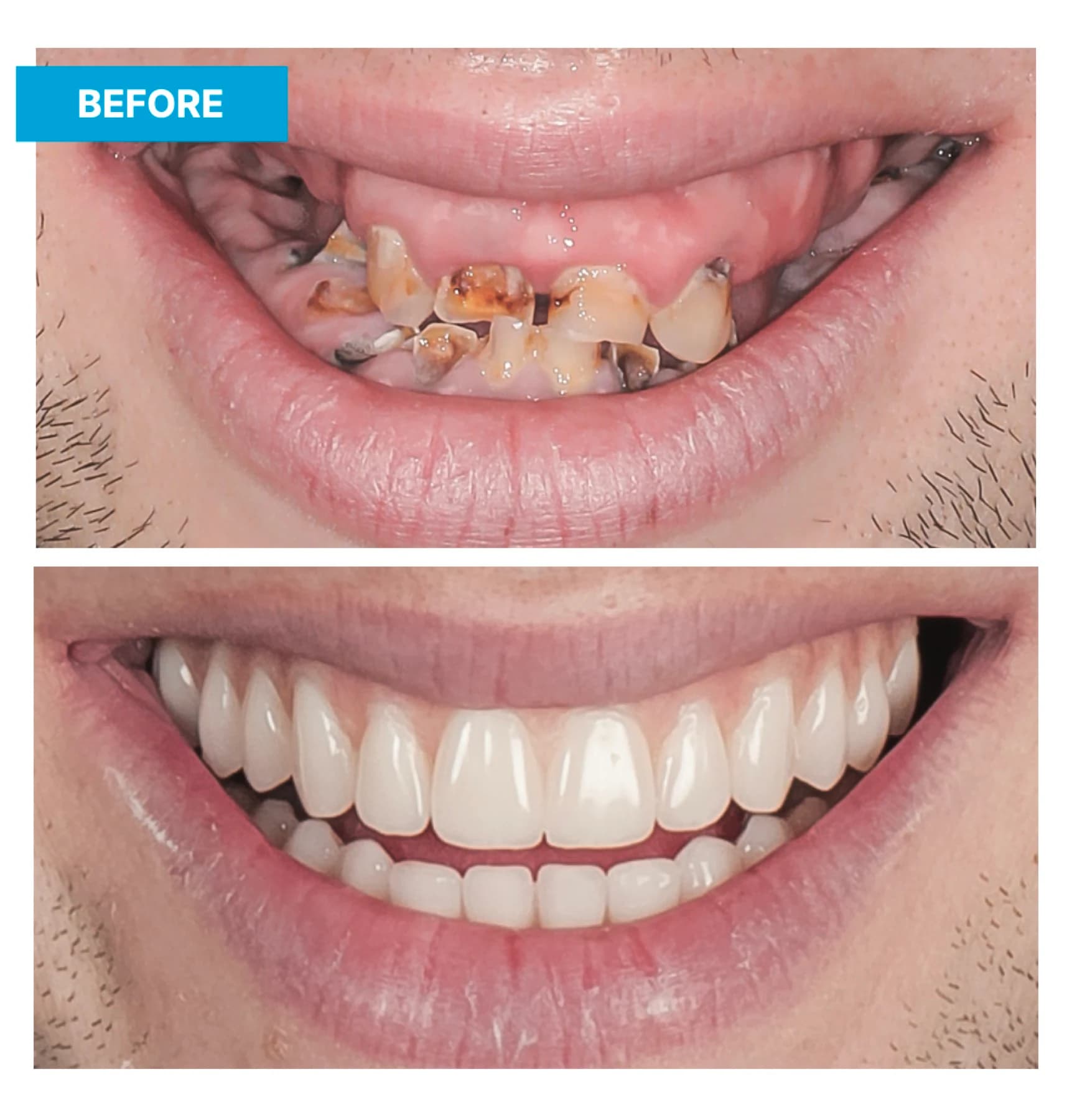
A one-day, or same-day, dental implant means the titanium root and a functioning tooth are both placed in a single appointment — instead of putting in the implant, sending you home with a gap, and waiting months before any tooth goes on top. The clinical term for it is immediate loading: the implant is 'loaded' with a tooth right away rather than left to heal bare. That's the whole concept behind teeth-in-a-day, and it's the same principle whether you're replacing one tooth or a full arch.
The older way of doing implants, going back to the original Brånemark protocol, buried the implant under the gum and asked it to heal untouched for roughly three months in the lower jaw and up to six in the upper jaw before anything was attached. Immediate-load implants compress that timeline into one visit for the part that matters most to you — walking out with a tooth. The healing still happens; it just happens with a tooth already in place instead of an empty socket.
One honest distinction up front. At many clinics 'teeth in a day' means an implant plus a temporary plastic tooth the same day, followed by six to eight months in that temporary before your real teeth are made. Because we run our own CAD/CAM zirconia lab under the same roof, same-day here means your final, custom-milled teeth in as little as 24 hours for single or multiple implants, or about 72 hours for a full arch — not a temporary you live in for most of a year.
How Teeth-in-a-Day Works Mechanically
The trick that makes same-day teeth possible is a property called primary stability — how tightly the implant grips the bone the moment it's placed, before any biological healing has occurred. When an implant is screwed into dense, healthy bone, it wedges in firmly enough to bear a tooth immediately. Surgeons measure this as insertion torque, and the research is fairly consistent: values in the range of roughly 30 to 45 Ncm are typically considered strong enough to support immediate loading. Below that, the implant may need to heal quietly first.
Over the following weeks, primary stability hands off to secondary stability. This is osseointegration — living bone growing into the microscopic texture of the implant surface, fusing it into your jaw permanently. The first several months are the critical window. A well-placed immediate-load implant is designed so that as the initial mechanical grip naturally loosens, the new bone bond has already grown in to take over, so the implant never actually goes loose. Getting that handoff right is engineering as much as surgery: the implant has to be stable enough to load, but the bite forces on the new tooth have to be controlled so the implant isn't jostled while bone is forming.
That's why not every case is a same-day case, and why an honest surgeon says so. Soft bone, low insertion torque, or a heavy grinding habit can all mean the safer path is to let the implant heal before it carries a full working tooth. The step that decides everything is a 3D CBCT scan, which shows your actual bone density and volume before anyone commits to a timeline. Where bone is thin, we can often graft during placement, pick stronger anchor sites, or in the most difficult upper jaws use zygomatic implants that anchor in the cheekbone.
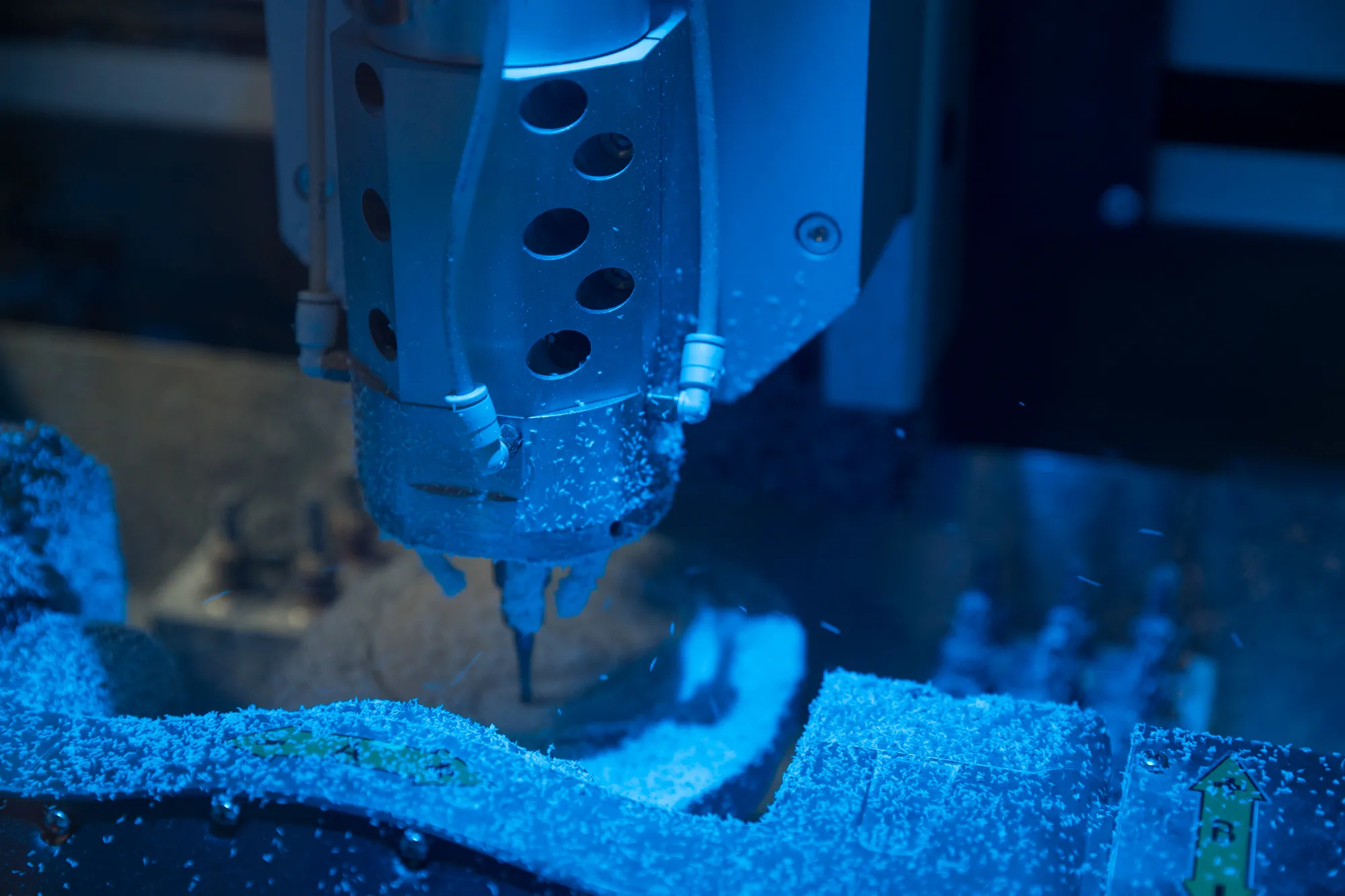
The six-to-eight-month wait that most patients accept as normal exists for one reason: mail. Most offices ship your case to a third-party lab and wait for it to come back, so every shade tweak or remake is another round trip, and a temporary carries you while that happens. We removed the mail. Your final teeth are designed and milled on-site, directed by our in-house engineer, so a shade that is slightly off is corrected in hours rather than weeks. That is the entire mechanism behind same-day and few-day teeth — owning the lab, not rushing the surgery.
Single Tooth, Multiple Teeth, or a Full Arch
The immediate-load principle scales, but the specifics change with the size of the job. For a single failing tooth, we can often extract it and place the implant in the same visit, because putting a root back into the socket right away helps preserve the bone that would otherwise start collapsing the day the tooth leaves. Qualifying single-tooth patients can have their final tooth in about 24 hours.
Full-arch cases — replacing every tooth in a jaw — use a different mechanical logic. Instead of one implant per tooth, a bridge of teeth is anchored on four, six, or eight implants spread across the arch, so the load is shared and the arch braces itself for immediate function. Dr. Sam Jain's All-on-8 Robust protocol adds implants precisely to spread that load further, and traditional All-on-4 tilts the rear implants to catch more bone. Full-arch patients leave the same day on fixed, non-removable teeth and receive their final milled teeth in about 72 hours — never parked in a removable denture while the implants mature.
Whichever applies to you, the plan should be built around your anatomy, not a slogan. If you're weighing this against a plate you take out at night, the implants-versus-dentures comparison lays out the trade-offs, and our candidacy guide covers what actually rules people in or out — which, for the record, is far less than most people fear.
Is Faster Riskier? What the Evidence Says
It's a fair worry: doesn't skipping the wait mean cutting corners? The published evidence is reassuring. Systematic reviews comparing immediate loading to conventional delayed loading find broadly similar implant survival and similar bone-level stability when cases are properly selected — with long-term implant survival landing around 95% across the field. The speed of same-day treatment doesn't come from rushing surgery; it comes from selecting the right cases and, in our office, from eliminating the outside dental lab and its shipping delays.
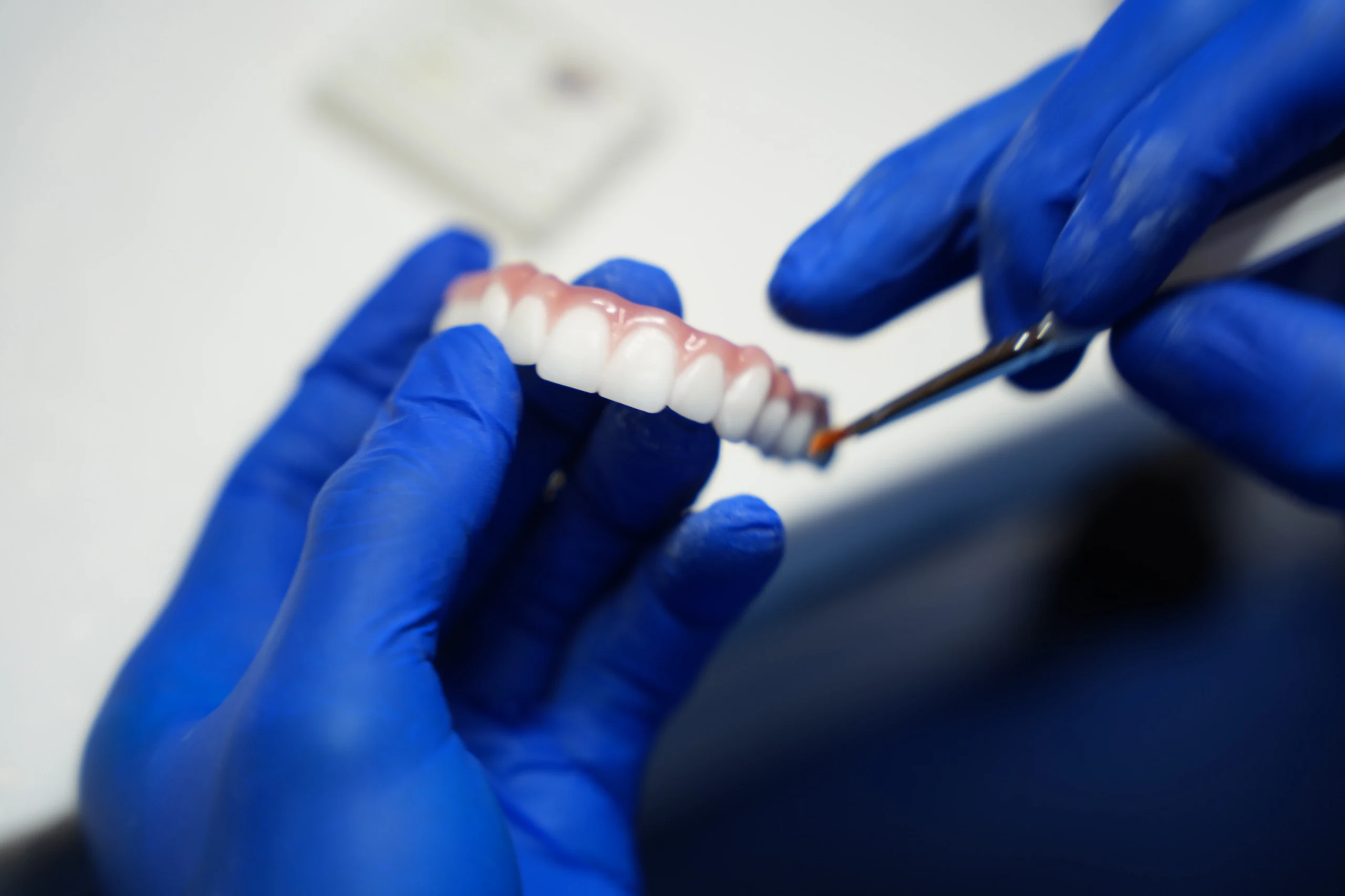
That last part is where the day-of experience and the risk profile both improve. Because our owner surgeons, our mechanical engineer, and our milling machines are all in one building, the same team that places your implants also designs and mills your teeth and controls the bite. If a shade or a bite point needs adjusting, it's fixed down the hall in hours rather than mailed back and forth for weeks. It also means one team owns the outcome — the people who plan and place your case are the people who handle any complication later, including rescuing failed implants placed elsewhere.
Comfort matters too. Same-day placement is done under IV or oral sedation with guided navigation, so the longer single-visit surgery feels shorter than you'd expect. If you're ready to find out whether your bone supports same-day teeth, a free consultation and 3D scan — a $499 value at no cost — is where an honest answer starts.
Written and medically reviewed by Dr. Sam Jain, DMD, MS, and Dr. Arpana Gupta, DDS, MDS, who own this practice.
This article is patient education, reviewed by Dr. Sam Jain, DMD, MS, and Dr. Arpana Gupta, DDS, MDS, and is not a substitute for an exam. Treatment recommendations are made only after an in-person consultation and 3D imaging.