Traveling for Dental Implants: When the Right Surgeon Is Worth the Drive
Patients reach us from Sacramento, the Central Valley, Monterey Bay — sometimes much farther. An honest look at when traveling for implant surgery is the smart move, when it isn't, and how to plan the trip well.
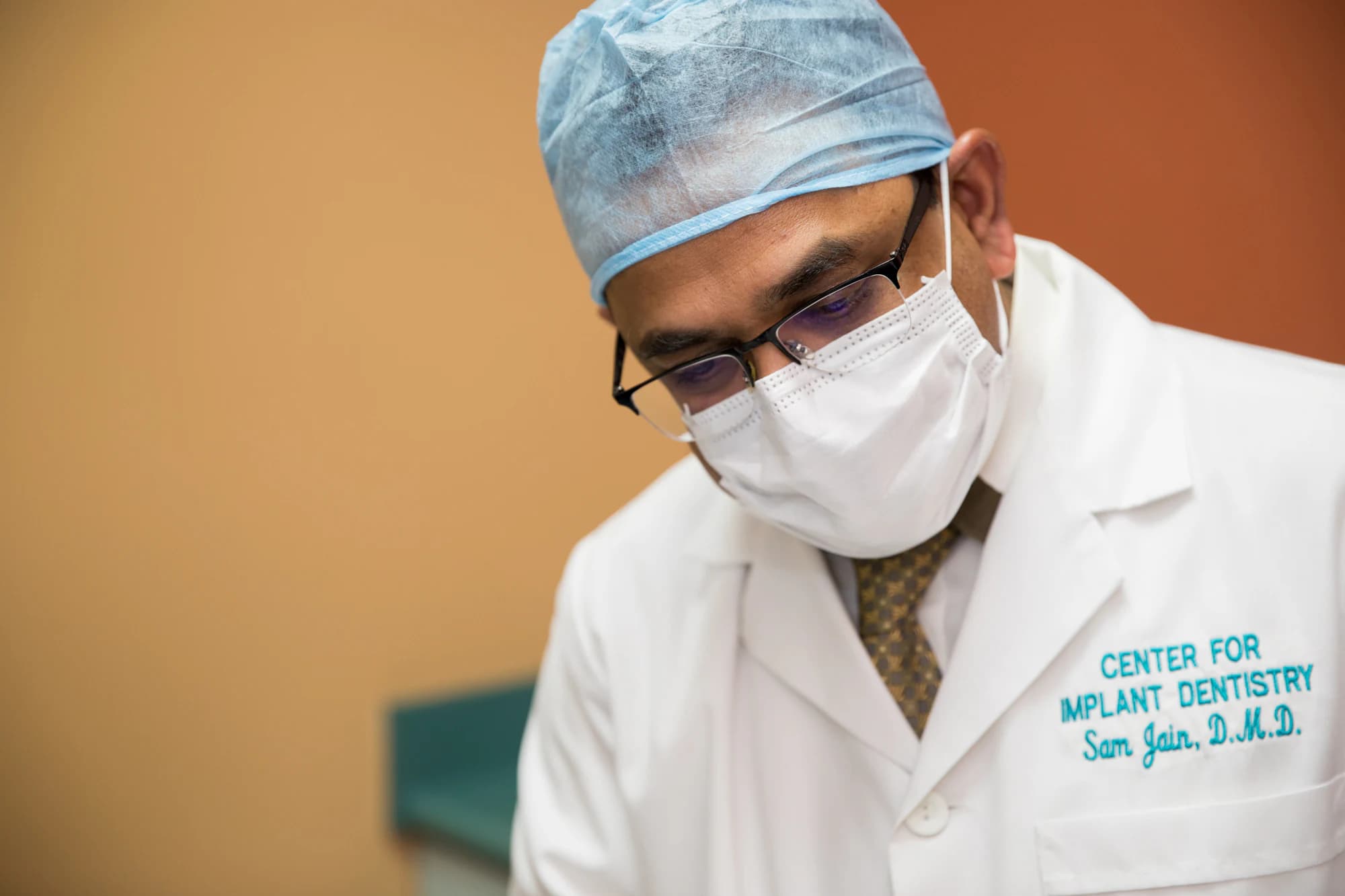
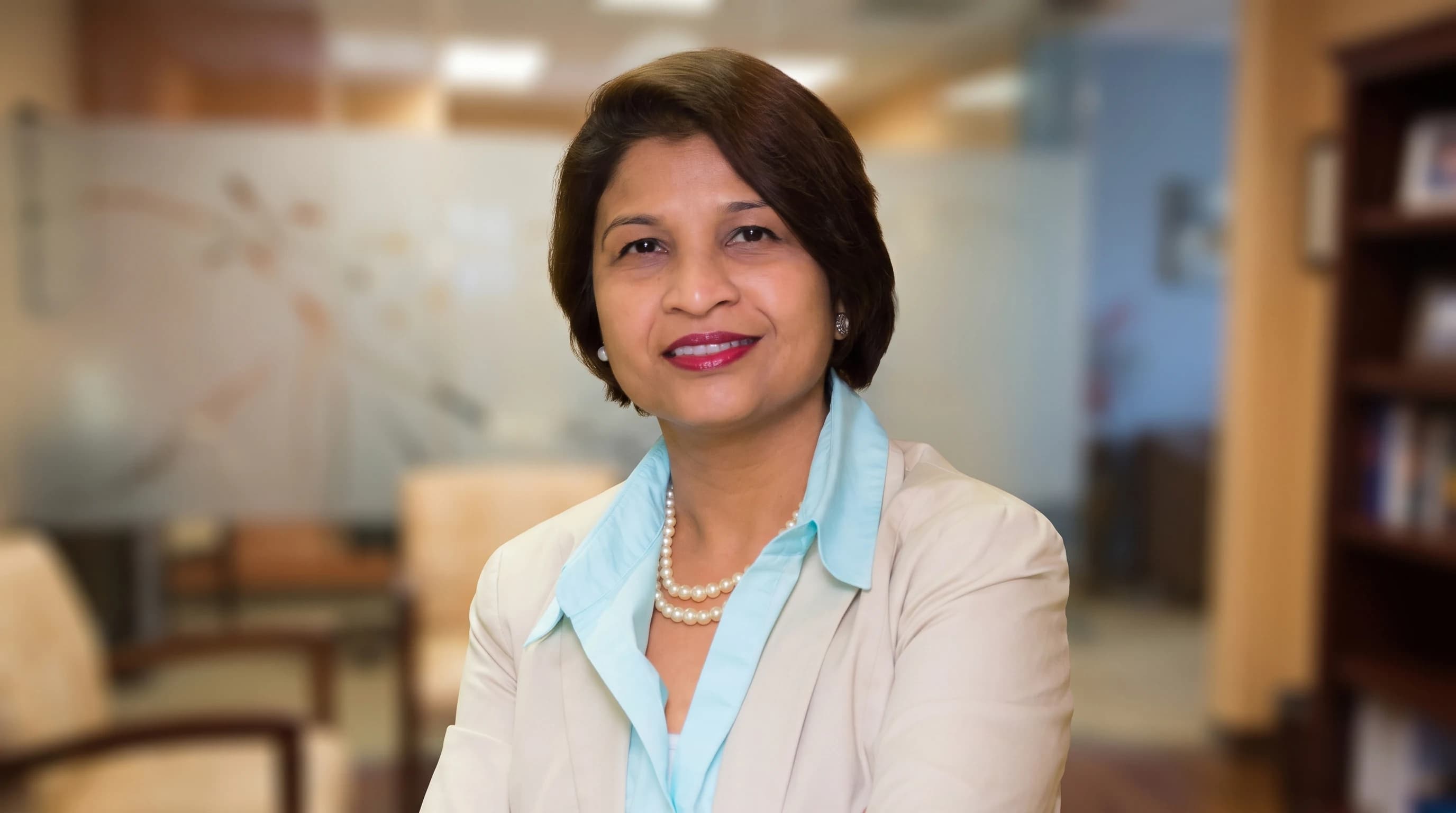
Written and medically reviewed by Dr. Sam Jain, DMD, MS, and Dr. Arpana Gupta, DDS, MDS
Published
In this article
- 1People travel farther for implants than for almost any other dental care
- 2Why someone passes fifty dental offices on the way here
- 3The honest math of a two-hour drive
- 4How out-of-town treatment actually works here
- 5Getting here from anywhere in California
- 6Questions to ask before you commit to any long-distance implant office
People travel farther for implants than for almost any other dental care
The average dental patient drives five to ten miles for a checkup, and that is exactly as it should be — a cleaning does not deserve a road trip. Implant treatment behaves differently. Studies of travel patterns find that patients cover roughly three times the distance for implant care that they do for routine covered services, and practices like ours regularly meet people who have driven two, three, even four hours for a consultation. One recent national analysis estimated that more than 85 million Americans live over thirty minutes from a prosthodontist — the specialists who restore missing teeth — so for a large share of the country, some travel is not a choice at all. It is simply what the map looks like.
None of this is extravagance. It is arithmetic. A cleaning happens twice a year for the rest of your life, so proximity wins. An implant — and especially a full arch — is a surgical decision you will live with for a decade or more, delivered across a handful of visits. When the total time in the car is a rounding error against the years you spend living with the result, informed patients stop asking what is closest and start asking who is best.
Our own patient map tells the same story. The communities we serve already stretch from Ukiah in the north to Salinas in the south and out to Stockton and Tracy in the Central Valley — a footprint two hours wide in every direction, built one referral and one review at a time.
Why someone passes fifty dental offices on the way here
Between any Central Valley town and our door there are, quite literally, dozens of offices with the word implants on the sign. Most of them are good practices. So what justifies driving past them? In our experience, patients who travel are buying four specific things. First, focus: implants are all we do, which changes how often our surgeons see cases like yours. Second, continuity: the doctor who plans your case is the one who places the implants and the one who oversees your teeth — there is no visiting surgeon who flies out on Friday. Third, the lab: your teeth are designed and made under this roof, not shipped to a facility you will never see. Fourth, rescue capability: an office that fixes failing implants placed elsewhere is an office that can handle whatever your own case presents.
Those are the questions worth interrogating anywhere you go, including here. Dr. Sam Jain and Dr. Arpana Gupta — a married team who have built this practice around full-arch and complex implant work — publish their credentials and licenses precisely so that a patient deciding whether to make the drive can check the record before committing to it.
The honest math of a two-hour drive
Take a full-arch case. The clinical work concentrates into a small number of decisive visits: a consultation, surgery day, and a series of follow-ups as your final teeth are refined. Even generously counted, that is hours in the car spread over months — against a result you will chew with, speak with, and smile with for ten or twenty years. Patients who compare quotes across California also discover the price differences between offices can run to five figures for the same arch. Against either number, fuel and a hotel night are noise.
And now the honest part, because a page like this earns its keep by telling you when not to travel. Keep your routine dentistry local — cleanings, fillings, and checkups belong five miles from your house, and we will happily work alongside your hometown dentist rather than replace them. Think hard before traveling if you genuinely cannot return for follow-up visits, because implants are a surgical treatment with aftercare, not a purchase. And be careful with the version of travel that chases the cheapest quote across a border: the savings are real until a complication needs care, and complication care is where distance costs the most. Whoever you choose, near or far, choose an office that plans your follow-ups before your surgery.
How out-of-town treatment actually works here
Your first visit is a free consultation that includes a 3D CBCT scan where clinically appropriate (together a $499 value), so the plan starts from your actual anatomy rather than a guess. You leave with a written, itemized plan — which matters double for a traveling patient, because it puts the number of visits in front of you before you commit to the miles.
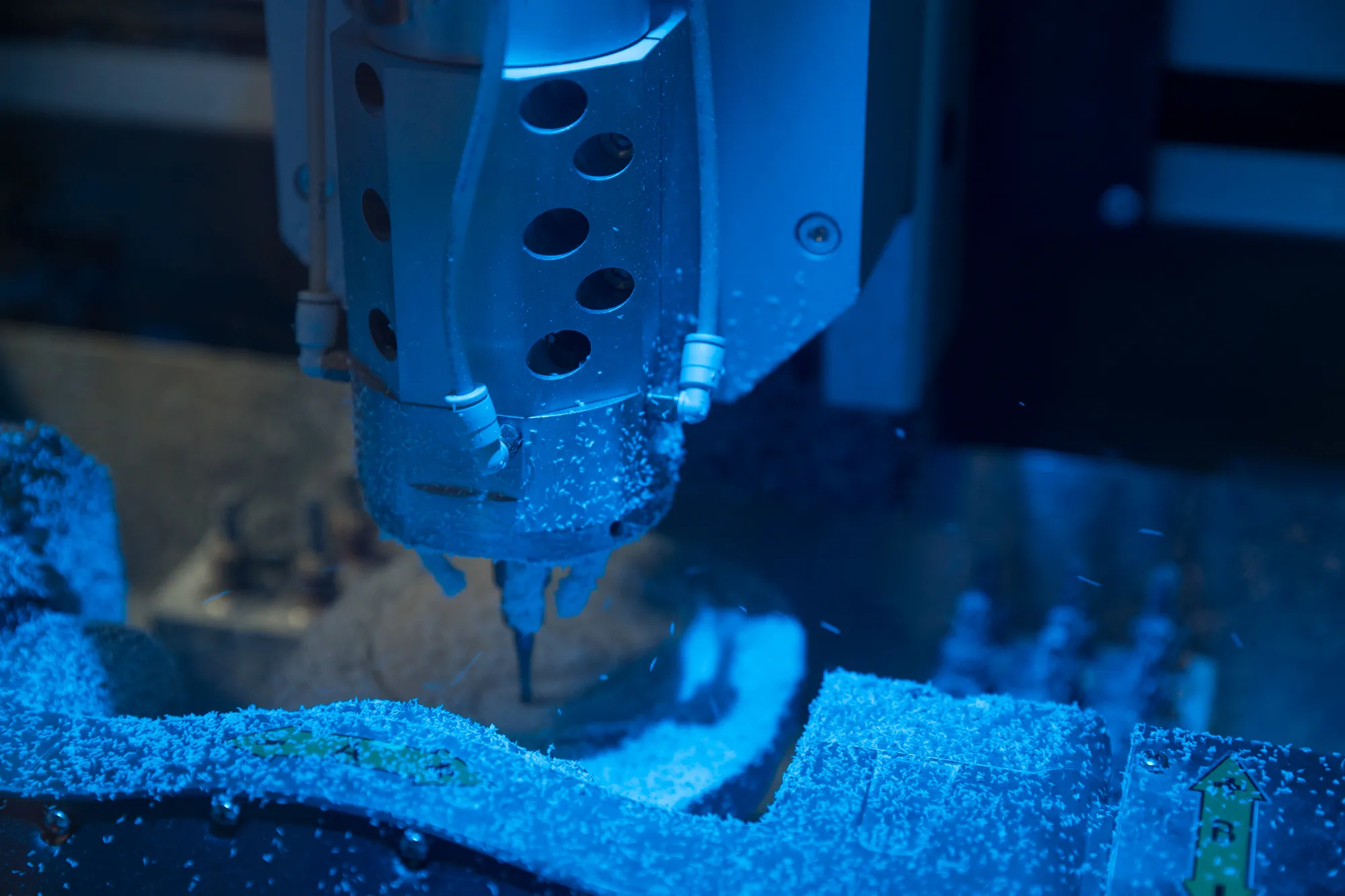
From there, we plan around your distance rather than pretending it away. Where your case allows, surgery and a fixed set of teeth happen the same day, with the final custom-milled teeth following in about 24 hours for many single implants and about 72 hours for a full arch — the approach behind our same-day implant treatment — and because the lab is in the building, adjustments that would cost another office a two-week shipping loop often happen while you wait. We group appointments for travelers whenever it is clinically safe to do so, and we schedule follow-ups with your drive in mind, not our convenience. What we will not do is promise you a single-trip implant journey; no honest office will, and the ones that do are worth being wary of.
The practical version: call the Fremont office, tell the team where you are coming from, and ask them to plan the visit sequence with you. It is a conversation we have every week.
Getting here from anywhere in California
The Fremont office at 3381 Walnut Ave sits in the middle of the Bay Area's freeway grid — minutes from both I-880 and I-680, and a short ride from Fremont's BART station for anyone coming by train. From Sacramento, the drive runs roughly two hours down I-80 and I-680 outside peak traffic. Stockton and Tracy reach us in about an hour over I-205 and I-580; Modesto in around ninety minutes; Salinas and the Monterey Bay in roughly an hour and a half up US-101. San Francisco patients often prefer our Geary Boulevard office at 4318 Geary Blvd, Suite 201.
Flying in is simpler than most people expect: three international airports — SFO, Oakland, and San Jose — all sit within about forty-five minutes of the Fremont office, which keeps same-week consult-and-return trips realistic for Southern California and out-of-state patients. Several hotel options sit within a short drive of the office; mention that you are traveling when you schedule and our team will point you to convenient ones.
Questions to ask before you commit to any long-distance implant office
Wherever your research takes you — including here — put these questions to the office before you book the drive. Who exactly places the implants, and who makes the teeth: one team under one roof, or a rotating surgeon and an outside lab? Will you receive an itemized written quote, or a headline price that grows later? What happens, specifically, if something breaks or fails in year three — does this office handle its own complications, or refer them out? Is sedation delivered in-house? And can they show you finished cases and patients telling their own stories, not stock photography?
An office with good answers to those questions is worth a long drive. An office without them is not worth a short one. If you want to put ours to the test, schedule the free consultation — bring the hard questions with you.
Written and medically reviewed by Dr. Sam Jain, DMD, MS, and Dr. Arpana Gupta, DDS, MDS, who own this practice.
This article is patient education, reviewed by Dr. Sam Jain, DMD, MS, and Dr. Arpana Gupta, DDS, MDS, and is not a substitute for an exam. Treatment recommendations are made only after an in-person consultation and 3D imaging.