Dental Implants 101: A Complete Introduction
If you're just starting to research tooth replacement, here's the plain-English version of what a dental implant actually is — and how it differs from everything else.


Written and medically reviewed by Dr. Sam Jain, DMD, MS, and Dr. Arpana Gupta, DDS, MDS
Published · Updated
What Is a Dental Implant, Exactly?
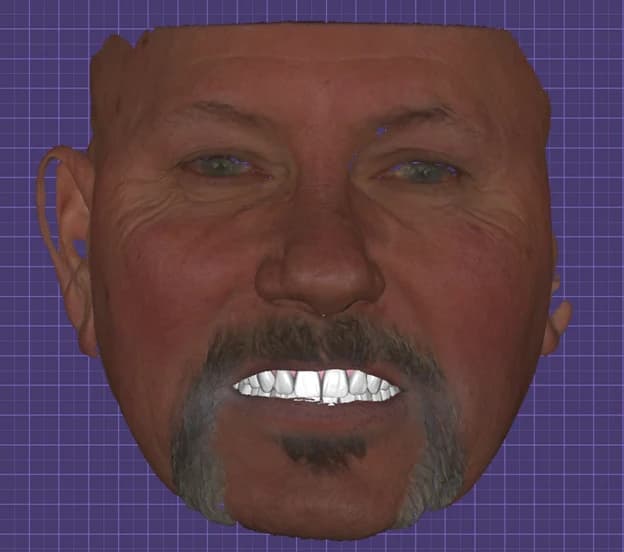
A dental implant is a small titanium (or sometimes zirconia) post that a surgeon places into your jawbone to act as a replacement tooth root. Once it's in, the bone grows around it and locks it in place. A separate replacement tooth — a crown — then attaches on top. That's the whole idea: rebuild the tooth from the root up, so what you bite with is anchored to your jaw instead of resting on your gums or clipping onto neighboring teeth.
The reason this matters is that no other tooth-replacement option restores the root. A bridge spans a gap by grinding down and capping the two teeth on either side. A denture sits on top of the gums. An implant is the only common option that puts an actual anchor back into the bone — which is why it feels and functions closest to a natural tooth, and why it also keeps the jawbone stimulated so it doesn't shrink away over the years the way it does under a denture.
One clarification worth making up front, because the word 'implant' gets used loosely: the implant is technically just the post in the bone. The tooth you see is the crown. Most people say 'implant' to mean the finished result, and that's fine — just know that when a surgeon talks about placing the implant versus restoring it, those are two different steps of the same treatment.
The Three Parts, and How They Fit Together
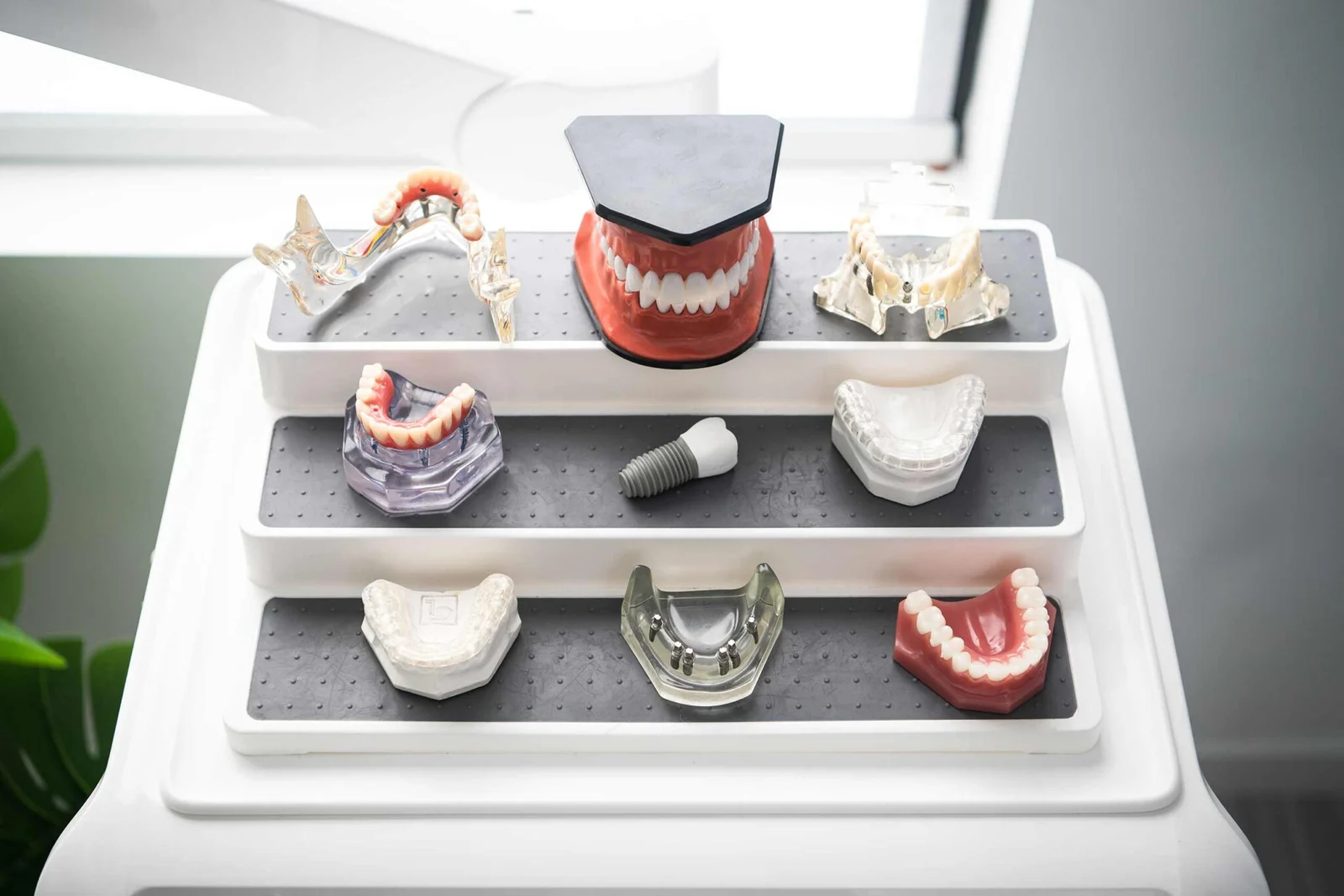
Almost every single-tooth implant is built from three pieces. The implant post is the screw-shaped part that fuses to your bone. The abutment is a small connector that screws into the post and sticks up through the gum. The crown is the visible tooth, custom-shaped and color-matched, that attaches to the abutment. Put simply: post in the bone, connector through the gum, tooth on top.
The magic step is the one you can't see. After the post is placed, a process called osseointegration takes over — your living bone literally grows into the microscopic texture of the titanium and bonds to it. This is what makes an implant so stable, and it's why implants have such a strong long-term track record: systematic reviews of ten-year studies put implant survival around 95%, though your own result depends on bone quality, your bite, and how well you keep it clean. Your doctor will confirm what's realistic for your case.
For replacing many teeth or a full arch, the same principle scales up. Instead of one post per tooth, a few strategically placed implants can carry a whole bridge of teeth. That's the idea behind full-arch options like All-on-4 and the All-on-8 Robust protocol — a handful of anchors supporting a complete, fixed set of teeth. If you're missing several teeth but not a whole arch, multiple dental implants can bridge those gaps too.
What the Process Actually Looks Like
Here's the sequence for a straightforward case. You start with a consultation and a 3D scan so the surgeon can measure your bone and plan exactly where the implant goes. On surgery day, the post is placed — a smaller procedure than most people expect, often done in under an hour per implant, with sedation available if you want it. Then comes healing, while the bone fuses to the post. Finally, the crown goes on. Your doctor will map out a timeline built around your specific mouth, not a brochure average.
The part that varies most between offices is the wait. At many places, you're fitted with a temporary tooth and sent home to heal for several months before the final crown is made in an outside lab. We work differently. Because everything happens under one roof — a free 3D CBCT scan, guided surgery, and an in-house CAD/CAM zirconia mill run by our own engineer — we can deliver a final, custom-milled tooth in about 24 hours for single or multiple implants, or about 72 hours for a full arch, instead of six to eight months of temporary plastic. You can see how that same-day workflow plays out.
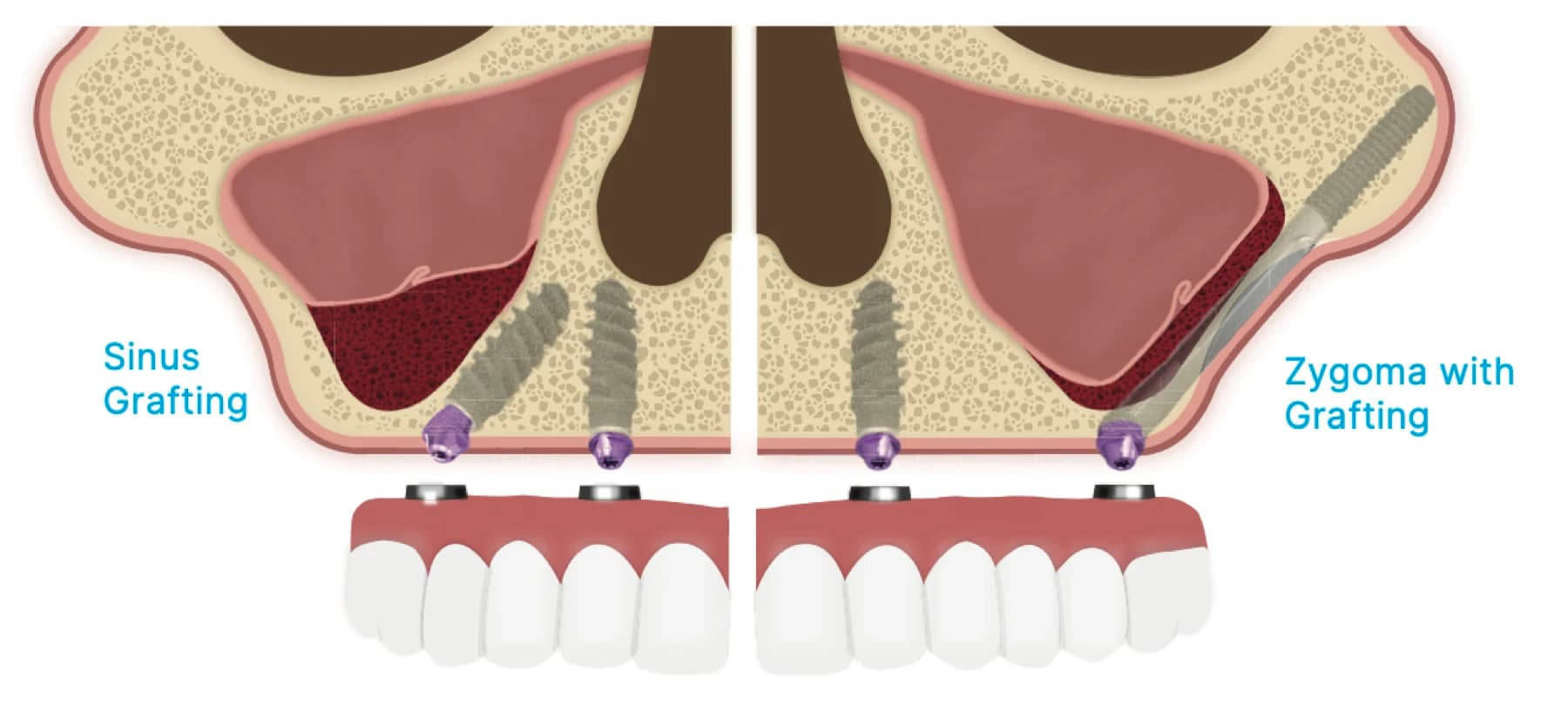
Not every mouth is textbook, and that's worth saying plainly. Some people are told they don't have enough bone, or they have a failing implant placed somewhere else, or teeth that still need to come out first. Those aren't dead ends — they're handled with steps like bone grafting, a sinus lift, or extractions done in the same plan. For severe upper-jaw bone loss, zygomatic implants anchor in the cheekbone and can skip the graft-and-wait entirely. A candidacy evaluation tells you which path fits you.
Is an Implant the Right Choice for You?
For many people, yes — implants are the closest thing to getting the tooth back. But it's a real decision with real trade-offs, and the two biggest for most people are cost and time. Implants cost more upfront than a bridge or denture, though they typically last far longer and don't need replacing on the same cycle. If you're weighing the removable route, our implants vs. dentures comparison lays out the honest differences, and the cost page breaks down what actually moves your number and how financing works.
What tends to matter more than any brochure is who does the work. At the Center for Implant Dentistry, a family-owned implant-only practice in Fremont and San Francisco since 2008, Dr. Sam Jain and Dr. Arpana Gupta — both ICOI Masters — personally plan, place, and restore every case. There are no fly-in surgeons handing your bite off to someone else halfway through. That continuity is a big part of why patients choose us, and it's reflected in a 4.9-star Google rating and more than 600 reviews across Google and Yelp, from 15,000-plus patients.
If you're at the very beginning of researching this, the most useful next step is low-commitment: a free consultation with a free 3D scan, a $499 value, where you see your own anatomy on the screen and get a straight answer about what your mouth needs. You can schedule a consultation whenever you're ready, and the FAQs cover the smaller questions that tend to come up along the way.
Written and medically reviewed by Dr. Sam Jain, DMD, MS, and Dr. Arpana Gupta, DDS, MDS, who own this practice.
This article is patient education, reviewed by Dr. Sam Jain, DMD, MS, and Dr. Arpana Gupta, DDS, MDS, and is not a substitute for an exam. Treatment recommendations are made only after an in-person consultation and 3D imaging.