Clinical Case: Crestal Sinus Lift with Immediate Placement vs Delayed Placement
When an upper back tooth comes out and the sinus sits close, the real decision is whether to place the implant that same day or wait — and the answer usually comes down to one measurement.
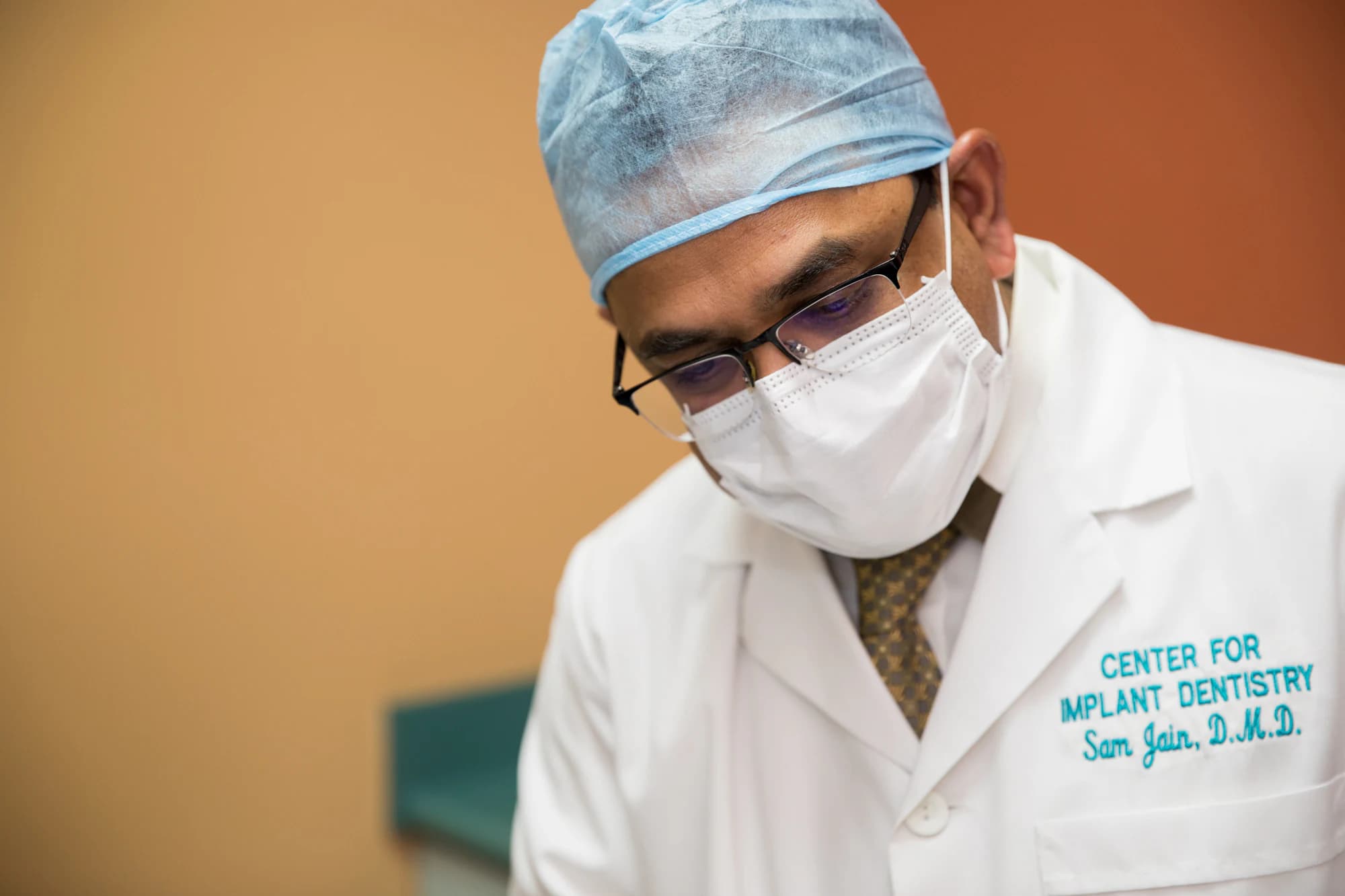

Written and medically reviewed by Dr. Sam Jain, DMD, MS, and Dr. Arpana Gupta, DDS, MDS
Published · Updated

One Number Usually Decides It
When an upper molar or premolar has to come out and the sinus floor sits close above it, you have two sensible ways forward. You can extract the tooth, do a crestal (through-the-socket) sinus lift, and place the implant in the same visit — that's the immediate route. Or you can extract, let the site heal and firm up for a few months, and place the implant later — that's the delayed route. Both are well-proven. The choice between them is not about which is 'more advanced.' It comes down mostly to how much of your own bone is sitting between the socket and the sinus, and whether that bone can grip an implant tightly enough on day one.
That grip has a name — primary stability. If the surgeon can seat the implant so it's genuinely solid the moment it goes in (typically measured as good insertion torque, often around 30–35 Ncm or higher), immediate placement becomes reasonable. If the bone is too thin or too soft to hold it firmly, forcing an implant in that day invites trouble, and waiting is the honest call. So the useful question isn't 'immediate or delayed?' in the abstract. It's: does my bone, right now, let the implant lock in? Your surgeon answers that from a 3D scan and, ultimately, from what the site feels like during surgery.
For many patients with reasonable residual bone below the sinus, both approaches end up at roughly the same place: a stable, fused implant with a survival rate the literature commonly puts in the mid-90s to near-100% over the medium term. The trade-off is mostly time and predictability, not final quality.
What a Crestal Sinus Lift Actually Is
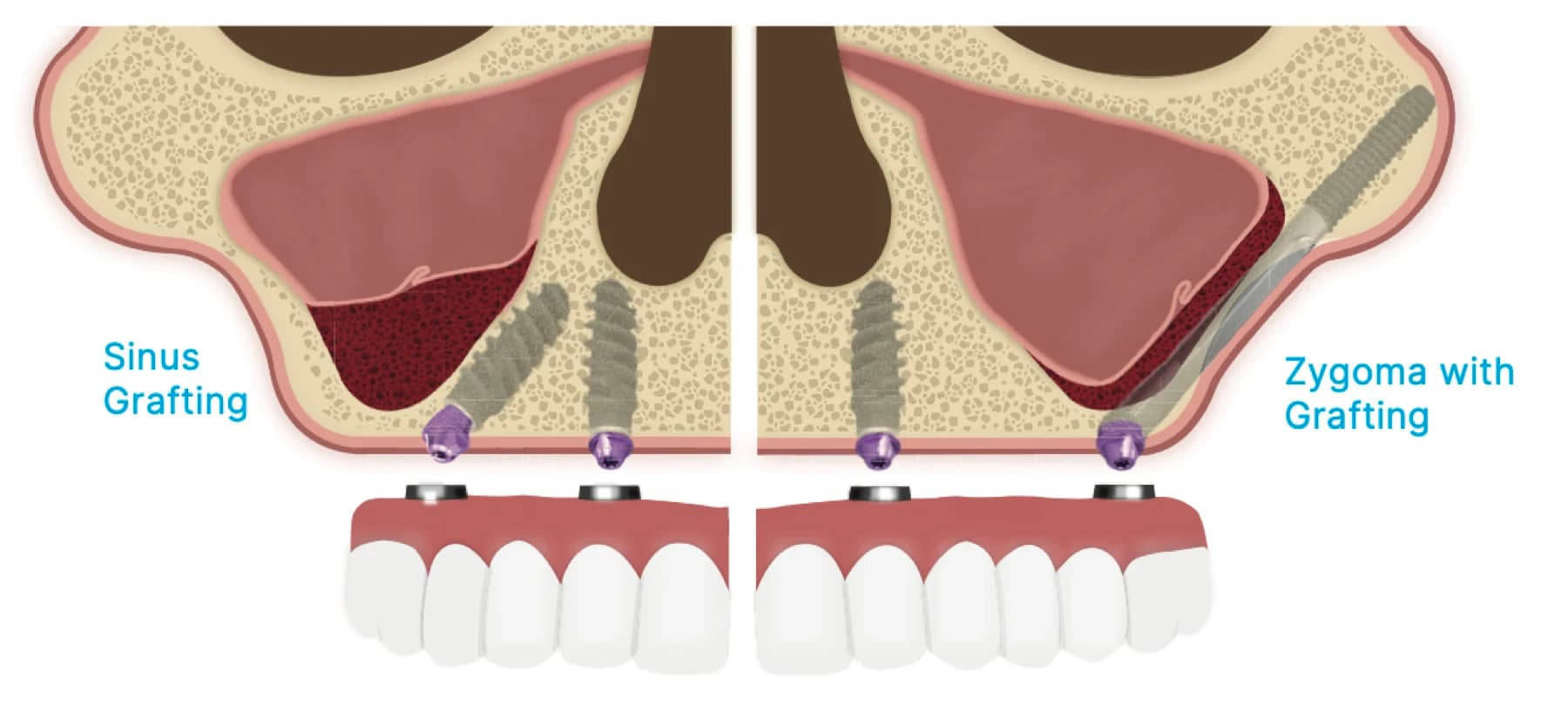
The maxillary sinus is an air pocket in your upper jaw, and after upper back teeth are lost the sinus floor tends to drop and the ridge below it shrinks. That leaves less vertical bone for an implant. A sinus lift gently pushes the sinus membrane upward and adds graft material underneath, creating room for the implant to anchor. The 'crestal' or 'internal' approach does this through the same channel prepared for the implant — no separate window cut into the side of the jaw — so for the right cases it's less invasive than the lateral-window technique and generally heals faster.
Technique matters here. Classic osteotome sinus lifts work by tapping bone upward, which can be effective but is less controlled. We more often use osseodensification (Densah burs) and guided drilling, which compact and preserve bone rather than remove it, tend to improve how tightly the implant seats, and — in the published comparisons — carry a lower rate of membrane complications than the older osteotome tapping technique. When we're extracting and grafting in the same appointment, that added control is part of what makes doing it all at once safer. You can read more about the combined procedure on our sinus lift and immediate implant page and about ridge rebuilding on our bone grafting page.
One honest limit: the crestal approach is best when a moderate lift is needed and there's enough starting bone for the implant to hold. Very little residual bone, or a large lift, sometimes calls for the lateral-window method or a staged plan. Your doctor will confirm which fits after measuring your site in three dimensions.
The Case Comparison: When We Place Immediately vs. When We Wait
Picture two patients, each losing an upper first molar with the sinus sitting close. Patient A has enough firm native bone below the sinus that, after a careful crestal lift, the implant seats with strong torque and doesn't budge. We place it the same day the tooth comes out, graft under the lifted membrane around it, and the patient leaves with the hard part done in one appointment. Patient B has a thin, soft floor and an infected socket; the implant would wobble if forced in that day. For Patient B we extract, graft the socket, let it heal for a few months until there's solid bone to grab, then place the implant with confidence. Same diagnosis, two different — and both correct — plans.
The evidence supports this judgment call. Reviews comparing immediate and delayed placement generally find no meaningful difference in long-term survival, though immediate cases show slightly more early failures — which is exactly what you'd expect, because immediate placement asks more of the bone up front. In other words, delayed isn't 'safer' as a rule; it's the right answer specifically when the bone can't yet do its job. Pushing an immediate implant into a site that won't hold it is how you turn a routine case into a complication. That restraint is part of why we're often the office that ends up rescuing failed implants placed elsewhere.
Immediate placement, when the site allows it, is a real advantage: fewer surgeries, fewer months in provisional teeth, and one recovery instead of two. Because we plan, place, and restore in the same building — with a free 3D CBCT scan, guided surgery (X-Guide and Navident EVO), and IV sedation available — we can commit to immediate placement in the operatory the moment the bone confirms it's stable, rather than defaulting to a wait for scheduling reasons. This same logic drives our approach to extraction and immediate implant cases throughout the mouth, not just the back of the upper jaw.
How We Decide in Your Case — and What Recovery Looks Like
The decision starts before surgery, on the CBCT scan. We measure the exact residual bone height below your sinus, look at the shape and slope of the sinus floor, and check whether the socket is infected or intact. That gives us a strong prediction of whether immediate placement is realistic. But we stay honest about the last variable: primary stability is confirmed during surgery. If a site we hoped to place immediately turns out too soft once we're in it, we'll graft and wait rather than force it — because a solid delayed implant beats a shaky immediate one every time. Dr. Sam Jain (DMD with an MS in mechanical engineering, ICOI Master) and Dr. Arpana Gupta (DDS, MDS, ICOI Master) make that call themselves, on your case, start to finish — no fly-in surgeon handing your bite to someone else.
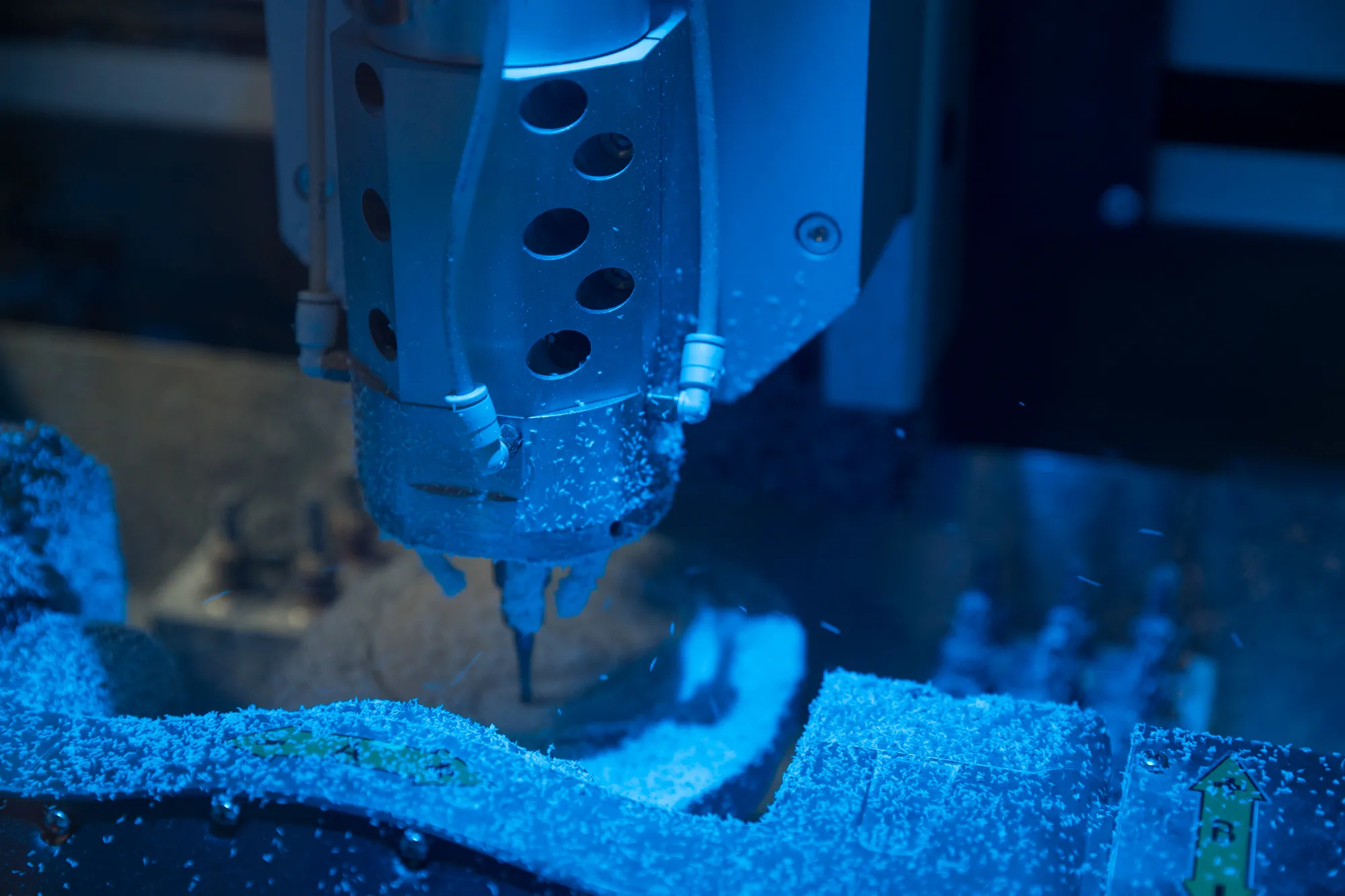
If we place immediately, you'll typically leave with a graft healing under the lifted membrane and the implant fusing to bone over roughly the next several months before it carries a final tooth. When placement is delayed, you'll have a socket graft heal first, then the implant, then integration — more total time, but each step on solid ground. Either way, single and multiple implants are usually restored with final custom-milled teeth from our in-house CAD/CAM mill in about 24 hours to a few days once the implant is ready, instead of six-plus months in temporaries. Our same-day dental implants and multiple dental implants pages walk through that workflow.
The best next step is simply to get the site measured. A free consultation and 3D scan (a $499 value) tells us — and you — which approach your bone actually supports, with the anatomy on screen. You can schedule a consultation or read our post-op instructions to see what recovery involves. If you're weighing this against other options for the back of the upper jaw, our dental implants in Fremont overview and the candidacy page are good companions.
Written and medically reviewed by Dr. Sam Jain, DMD, MS, and Dr. Arpana Gupta, DDS, MDS, who own this practice.
This article is patient education, reviewed by Dr. Sam Jain, DMD, MS, and Dr. Arpana Gupta, DDS, MDS, and is not a substitute for an exam. Treatment recommendations are made only after an in-person consultation and 3D imaging.