What Is Sedation Dentistry? An Overview
Medication that takes you from anxious to calm during dental treatment — ranging from a mild pill to full IV twilight — so the work gets done without the dread. Here is what each level actually does, and how to tell which one you need.
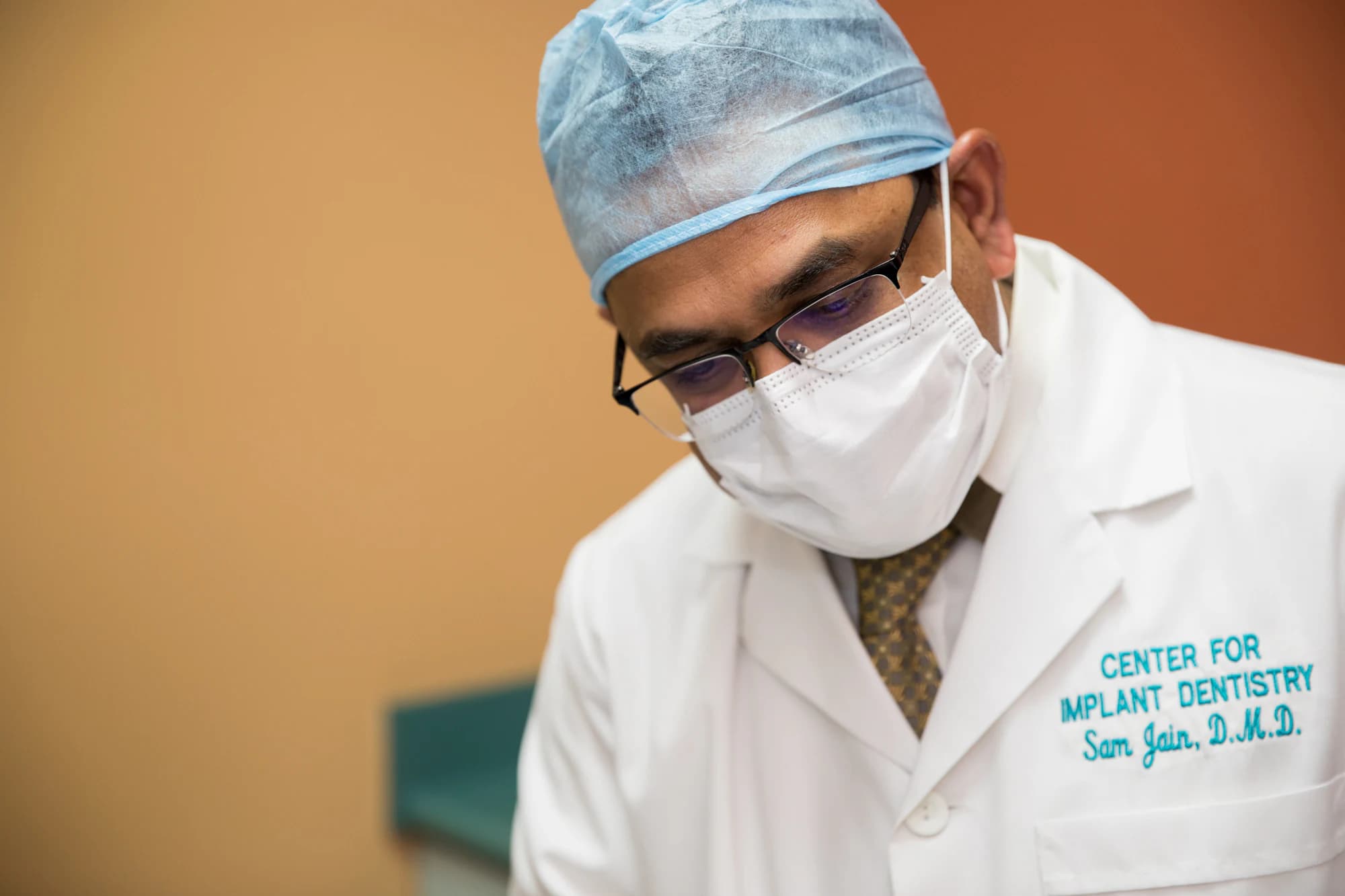
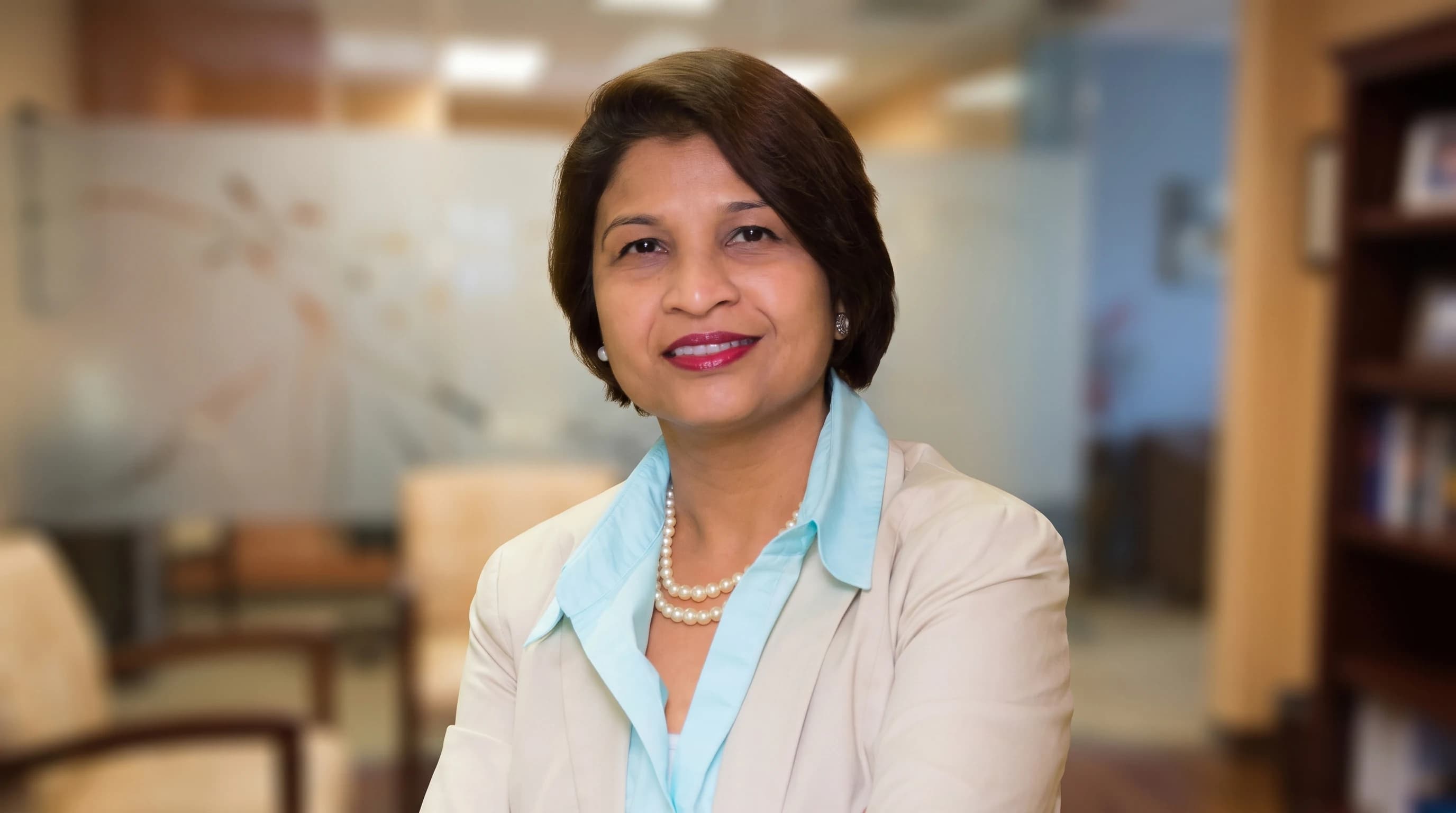
Written and medically reviewed by Dr. Sam Jain, DMD, MS, and Dr. Arpana Gupta, DDS, MDS
Published · Updated
What Sedation Dentistry Is
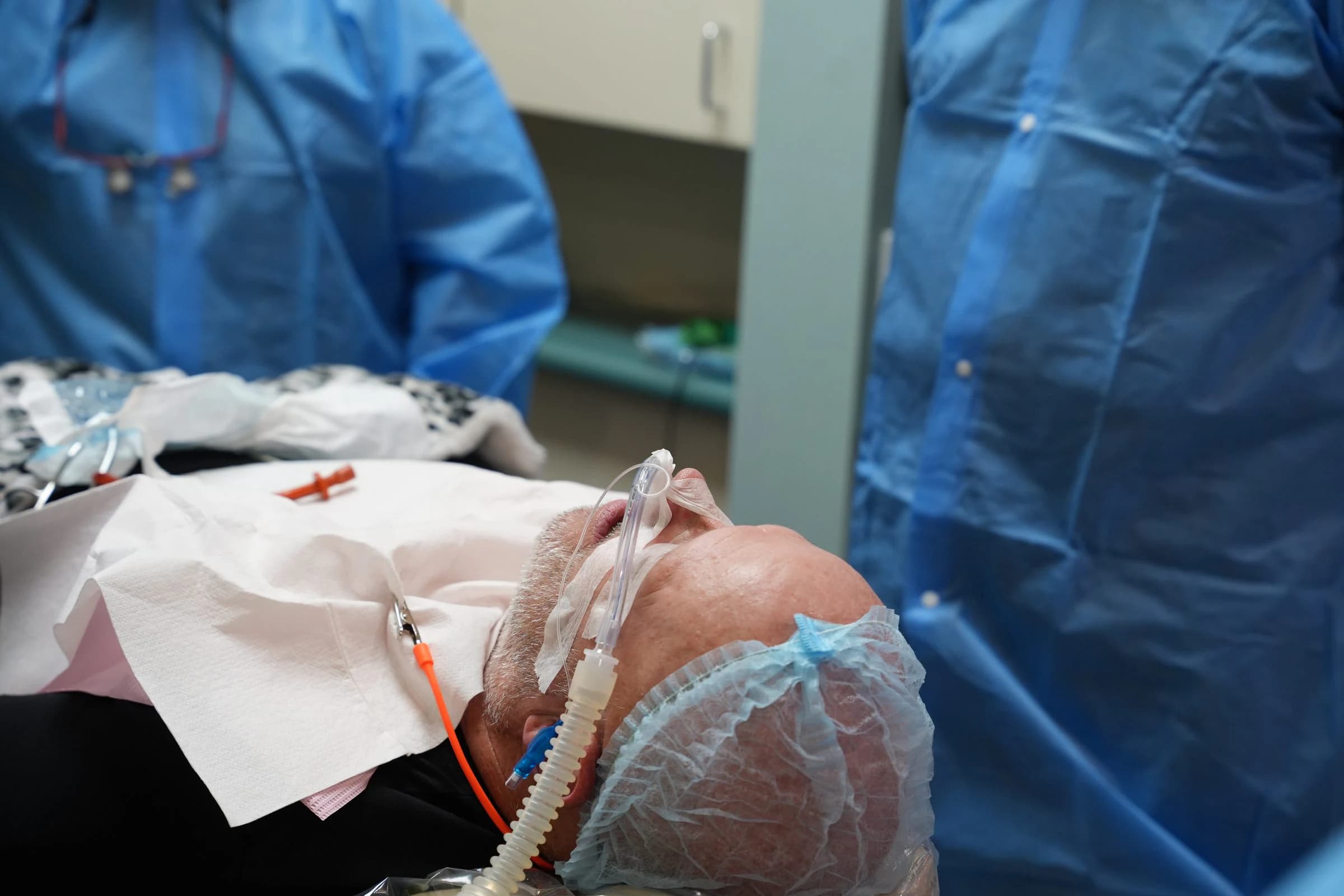
Sedation dentistry means using medication to help you stay calm and comfortable during dental treatment. That's the whole definition. It's not a single drug or a single machine — it's a spectrum, from a mild medication that just takes the edge off your nerves to intravenous sedation deep enough that you barely remember the appointment. The point is the same at every level: to separate the care you need from the fear that keeps you out of the chair.
One thing worth clearing up right away, because it's the most common misconception: sedation is usually not the same as being 'put to sleep.' Most dental sedation leaves you conscious and breathing on your own — deeply relaxed, drowsy, indifferent to what's happening, but still able to respond if someone asks you to. General anesthesia, where you're fully unconscious, is a separate and much less common category. When people say they want to be 'knocked out at the dentist,' what they almost always end up loving is IV sedation, which feels like being absent without ever being unconscious.
Sedation is layered on top of local anesthesia — the numbing injection that blocks pain in the treatment area — not instead of it. Numbing handles the pain; sedation handles the anxiety, the gag reflex, and the sheer length of a long procedure. You need both working together, which is exactly how it's done.
The Relaxation Techniques, From Mildest to Deepest
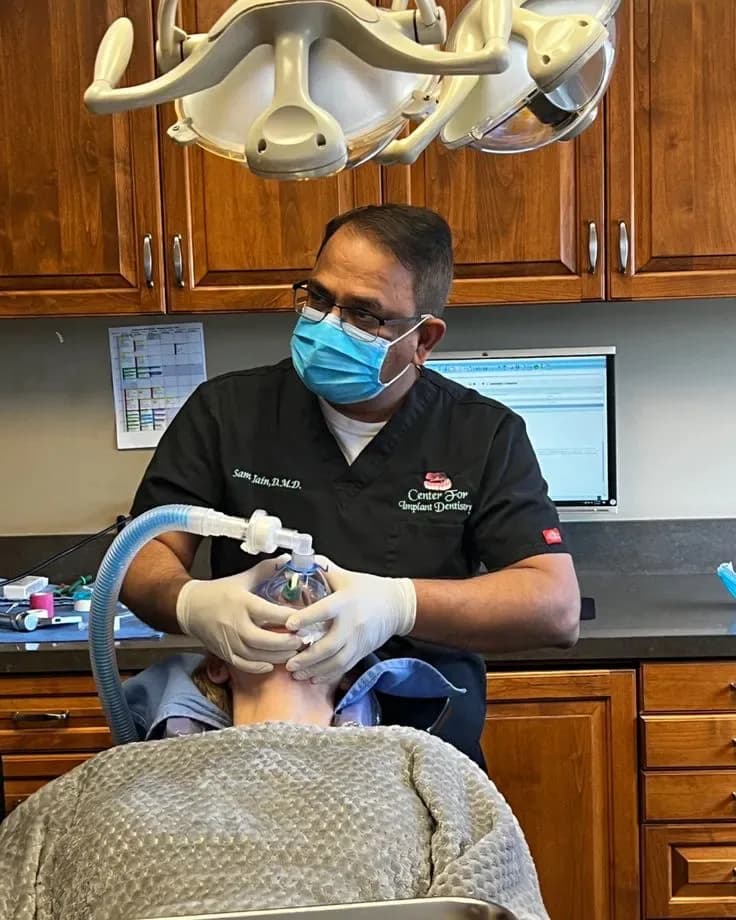
Dentists and anesthesiologists describe sedation in levels — minimal, moderate, and deep — and, helpfully, those levels are independent of how the medicine is delivered. In practice, patients experience it as a short menu of options that get progressively deeper.
The lightest is inhaled sedation, better known as nitrous oxide or 'laughing gas.' You breathe it through a small nose mask, it produces a light, floaty calm within minutes, and it wears off almost as fast once the mask comes off — so you can typically drive yourself home. It's the gentlest tool, ideal for mild nerves and shorter visits. Oral sedation is the next step up: a prescribed calming pill taken before your appointment. It puts you into a deeply relaxed, pleasantly indifferent state where the white-knuckle grip on the armrest simply never happens, and the memory of the visit goes soft at the edges. You'll need someone to drive you home. The deepest option offered outside a hospital is IV sedation, sometimes called 'twilight' sedation. Medication delivered through a vein lets the doctor adjust your depth of comfort moment to moment. Most patients describe it as the appointment happening to someone else — time collapses, and there's little or nothing to remember afterward. It's the choice for significant dental fear, strong gag reflexes, and long or complex procedures like full-arch implant surgery.
Our sedation dentistry page breaks down each level in more detail — what it feels like, who it's built for, and the exact instructions that come with it. The honest summary is that there's no single 'best' level. The right one depends on your anxiety, your health history, and how long you'll be in the chair, and it's a decision your doctor makes with you, not for you.
Is Dental Sedation Safe? The Part That Actually Matters
Sedation is safe in proportion to the training in the room — that's the honest version. The medications themselves have long, well-understood safety records when they're dosed correctly, you're screened properly beforehand, and someone qualified is monitoring you throughout. The risk isn't the drug; it's whether the person giving it is prepared for the rare moment something needs managing.
This is where who administers your sedation stops being a detail. At many practices, deeper sedation is outsourced to a traveling anesthesia service — someone you meet the morning of surgery and never see again. We do it differently. At Center for Implant Dentistry, sedation is delivered on-site by the treating doctors: Dr. Sam Jain completed formal IV sedation training at the Medical College of Georgia, and both he and Dr. Arpana Gupta hold Advanced Cardiac Life Support (ACLS) certification from the American Heart Association, with additional training in emergency airway management and EKG interpretation. You're continuously monitored from the first medication to recovery, and the person watching those monitors is a doctor equipped for far more than dentistry ever asks of them.
Suitability is confirmed the same way every time: a review of your medical history at your free consultation. Some conditions and medications change what's appropriate, which is why the conversation happens before anything is scheduled — and why you'll leave with personalized instructions covering eating, medications, and a ride home. For oral and IV sedation, plan on a trusted adult to drive you and keep the rest of the day clear of driving and any decision that needs sharp judgment.

Where Sedation Fits Into Implant Treatment
For a practice that only does dental implants, sedation isn't a side offering — it's part of how the harder cases get done comfortably. Placing a single implant is often manageable with local anesthesia or light sedation. But full-arch work — removing failing teeth and placing an All-on-4 or the All-on-8 Robust protocol Dr. Jain developed — is longer and more involved, and that's precisely where IV twilight sedation earns its place. Patients routinely tell us the surgery they dreaded for years felt like it happened in a few minutes.
Sedation also changes the calculus for people who've been avoiding the dentist out of fear, sometimes for a decade or more. The two things that keep those patients away — the anxiety and the length of the visit — are the exact two things sedation dissolves. Combine that with everything sitting under one roof (free 3D CBCT imaging, guided surgery, IV sedation, and an in-house zirconia mill producing final teeth in about a day for a single tooth or a few days for a full arch), and a case that felt impossible becomes one calm appointment. If you're worried you 'don't have enough bone' or that your case is too complicated, that's usually a planning problem, not a dead end — we take the cases other offices turn away, including zygomatic implants for severe bone loss and rescuing failed implants placed elsewhere.
The practical next step is simple: talk it through with the people who'd actually do the work. At your free consultation, the doctors review your health history, look at your scan, and recommend a sedation level honestly — and the decision stays yours. Fear kept you from care long enough; the point of all of this is making sure it doesn't again.
Written and medically reviewed by Dr. Sam Jain, DMD, MS, and Dr. Arpana Gupta, DDS, MDS, who own this practice.
This article is patient education, reviewed by Dr. Sam Jain, DMD, MS, and Dr. Arpana Gupta, DDS, MDS, and is not a substitute for an exam. Treatment recommendations are made only after an in-person consultation and 3D imaging.