How Much Does Sedation Dentistry Cost?
A plain-numbers breakdown of what nitrous, oral, and IV sedation actually cost — and the hidden fees to ask about before you sit down.
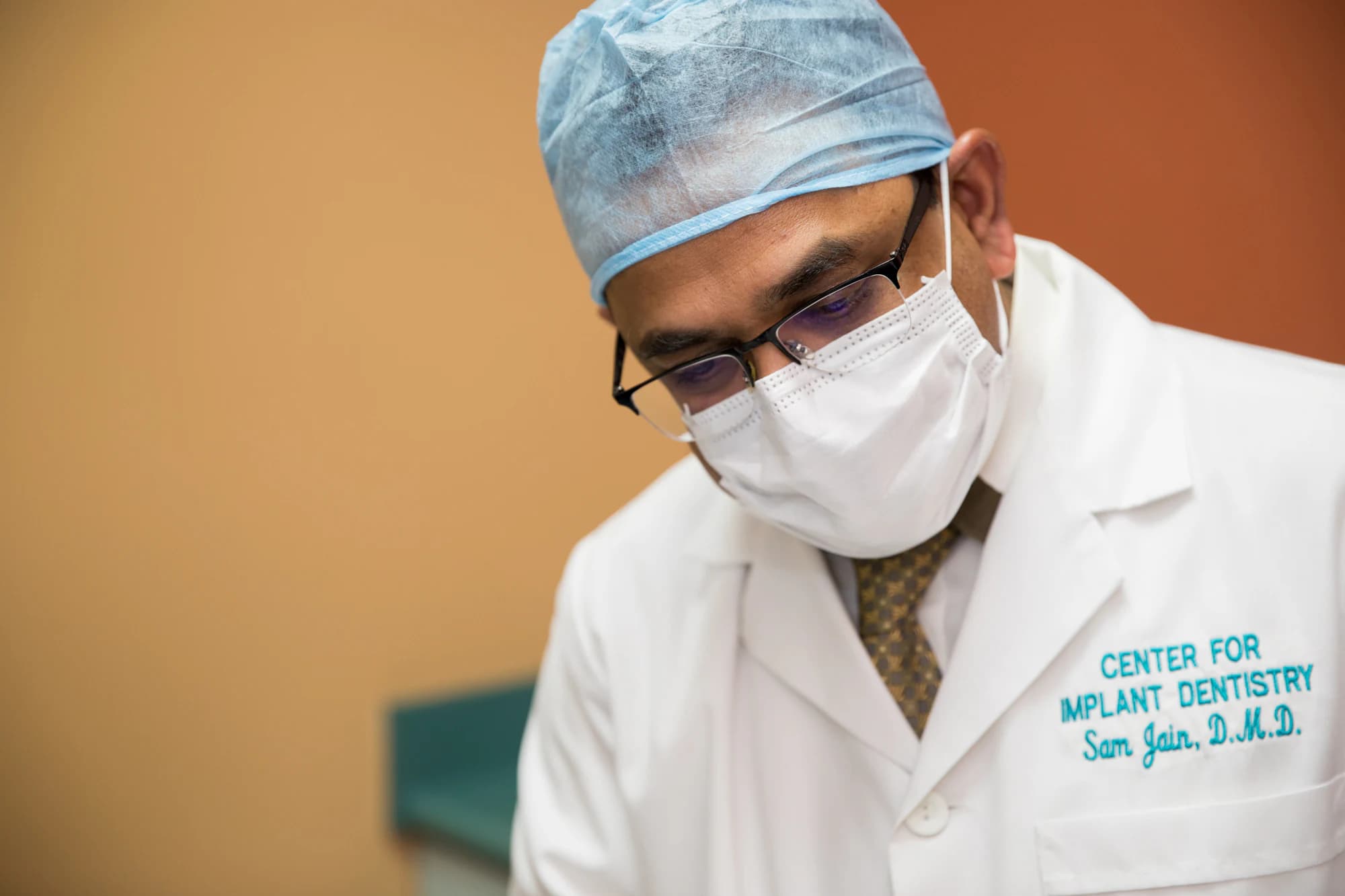
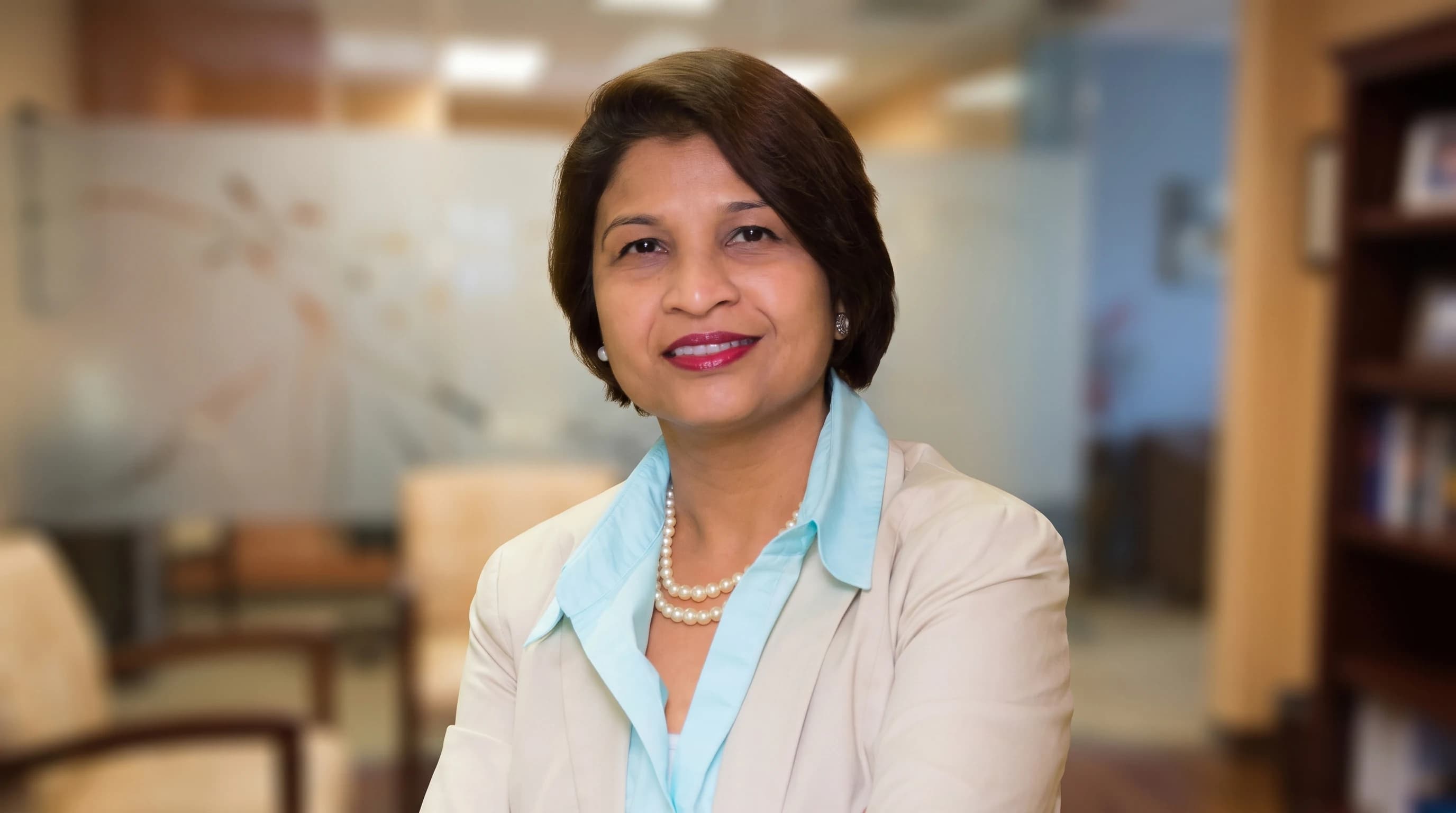
Written and medically reviewed by Dr. Sam Jain, DMD, MS, and Dr. Arpana Gupta, DDS, MDS
Published · Updated
In Real Numbers
Sedation dentistry usually costs between $150 and $1,000, and the range is that wide because "sedation" covers three very different things. Nitrous oxide (laughing gas) typically runs about $150 to $500 per visit. Oral conscious sedation — a pill you take before your appointment — generally lands around $250 to $700. IV sedation, the deepest option most implant offices offer, is usually priced by time, roughly $500 to $1,000 per hour. These are common U.S. ranges; your doctor will confirm the exact number after an exam.
One point trips up almost everyone: that sedation fee is separate from the fee for the dental work itself. If you're quoted $600 for IV sedation, that covers the sedation and monitoring — not the extraction, the implant, or the crown. The full bill is the procedure plus the sedation. So when you're comparing offices, make sure you're comparing the whole treatment plan, not one line item pulled out of context.
For a short procedure, sedation is a modest add-on. For full-arch implant surgery, where you might be in the chair for a couple of hours per arch, IV sedation is often the single most valuable comfort investment you'll make — and it's frequently folded into the surgical quote rather than billed as a surprise line.
What Each Level Costs — And What You're Actually Paying For
Nitrous oxide is the lightest and cheapest. You breathe a gas through a small nose mask, feel pleasantly floaty, and the effect clears within minutes of the mask coming off — so you can usually drive yourself home. At $150 to $500, you're paying for the gas, the equipment, and a few minutes of the team's setup time. It's ideal for mild nerves during a shorter appointment.
Oral conscious sedation is a single pill (usually a benzodiazepine like triazolam) taken about an hour before you arrive. You stay awake but deeply relaxed, and many patients remember little of the visit. The $250 to $700 covers the medication, the prescription and planning, and the extra monitoring your team does while it's in your system. You will need a ride home — the drug lingers for hours.
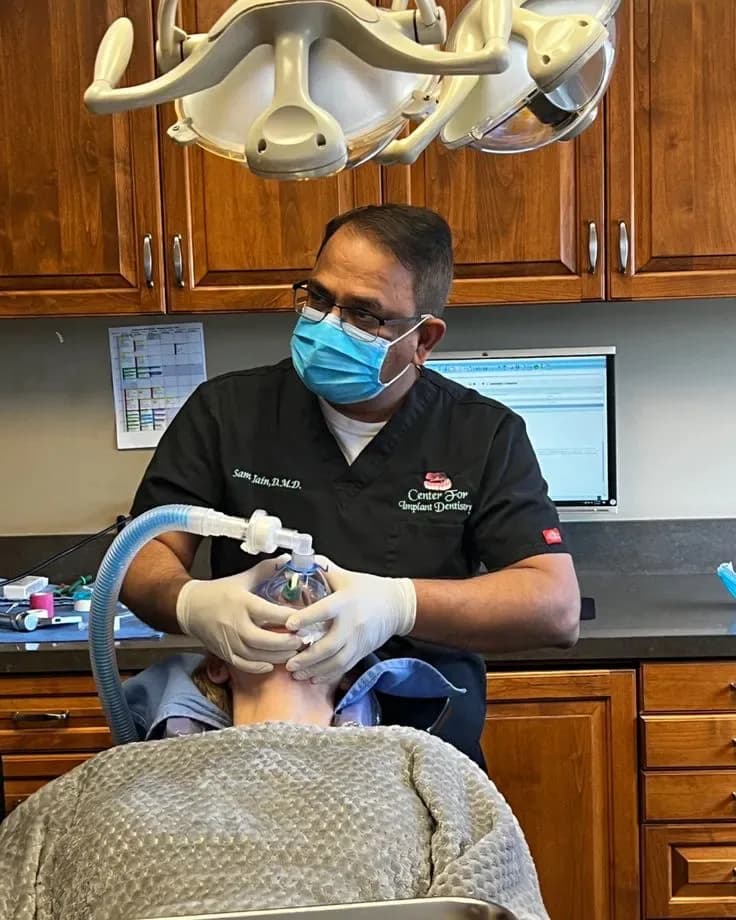
IV sedation delivers medication straight into a vein, which lets the doctor titrate the exact depth of relaxation in real time and adjust minute to minute. This is "twilight" sedation: you're technically conscious but so relaxed that long, complex surgery feels like it took ten minutes. The $500 to $1,000 hourly cost reflects the training required to administer it, continuous vital-sign monitoring, and the recovery time afterward. It's the standard choice for anxious patients and for anything lengthy — think multiple extractions, bone grafting, or a full same-day implant case.
The Five Things That Move Your Price
First, the length and complexity of your procedure. Because IV sedation is billed by time, a 45-minute single-implant case and a two-hour full-arch surgery are not the same bill. Second, who administers it. Some offices bring in a separate dental anesthesiologist, and that specialist's fee lands on your invoice on top of everything else. Third, geography — a practice in a high-cost metro area carries higher overhead, and that shows up in the quote.
Fourth, the monitoring and safety setup. Proper IV sedation means pulse oximetry, blood-pressure and heart-rate tracking, and a team trained to respond to anything — that infrastructure is part of what you're paying for, and it's not a corner you want cut to save $100. Fifth, pre-sedation workup. A thorough office reviews your medical history and medications before sedating you, and occasionally that means a short consult or clearance that factors in.
Here's where the structure of the practice quietly matters. At the Center for Implant Dentistry, the same owner-surgeons who plan and place your implants — Dr. Sam Jain and Dr. Arpana Gupta — also handle your sedation in-house. There's no fly-in surgeon and no separate anesthesiologist invoice arriving weeks later. Everything sits under one roof, which keeps the sedation piece transparent and, for surgical cases, usually built into the plan you approve up front.
Insurance, Financing, And How To Actually Lower The Bill
Dental insurance and sedation have a complicated relationship. Many plans won't cover sedation for routine work, but a lot of them will contribute when it's medically necessary — extensive oral surgery, documented severe anxiety, or a special-needs situation. The practice is in-network with many PPOs (Delta, Aetna, Cigna, MetLife, Guardian, UnitedHealthcare, Anthem Blue Cross, Blue Shield of California, and more), which means the billing team can check your specific sedation benefit before you commit. Note that Medicare, Medi-Cal, and HMO plans are not accepted.
For larger cases, sedation is almost never the number people worry about — the implants are. That's why financing matters more than shaving a sedation fee. Roughly 92% of full-arch patients here finance their treatment through Cherry, CareCredit, Proceed, or Happen Bank. When you finance the whole plan, the sedation rides along inside one predictable monthly payment instead of a standalone charge.
The single best way to get a real sedation number is to get a real exam. Phone quotes are guesses because nobody can price your comfort plan without seeing how long your surgery will take. A free consultation here includes a 3D CBCT scan — a $499 value at no charge — and ends with a written plan that spells out the procedure, the sedation, and the total, with no line items hiding in the fine print. Compare that head-to-head against any other quote you're weighing.
Written and medically reviewed by Dr. Sam Jain, DMD, MS, and Dr. Arpana Gupta, DDS, MDS, who own this practice.
This article is patient education, reviewed by Dr. Sam Jain, DMD, MS, and Dr. Arpana Gupta, DDS, MDS, and is not a substitute for an exam. Treatment recommendations are made only after an in-person consultation and 3D imaging.