Ready for more stability than dentures can give you?
Make These Your Last Denture Years
Hear from patients who traded the plate for teeth that stay put
Schedule ConsultationAfter Dentures · The Conversion To Fixed Teeth
You've Managed Dentures Long Enough. There's A Way Out That Stays In.
You know the whole routine by heart. The adhesive that works until it doesn't. The second of hesitation before a laugh. The corner of a restaurant menu you quietly rule out. Dinner that tastes flatter than it should, because a plastic plate is sitting over the roof of your mouth where your taste buds used to have a say. None of that is a personal failing. It's just what a denture is — a prosthetic that rests on your gums and borrows its grip from suction and glue.
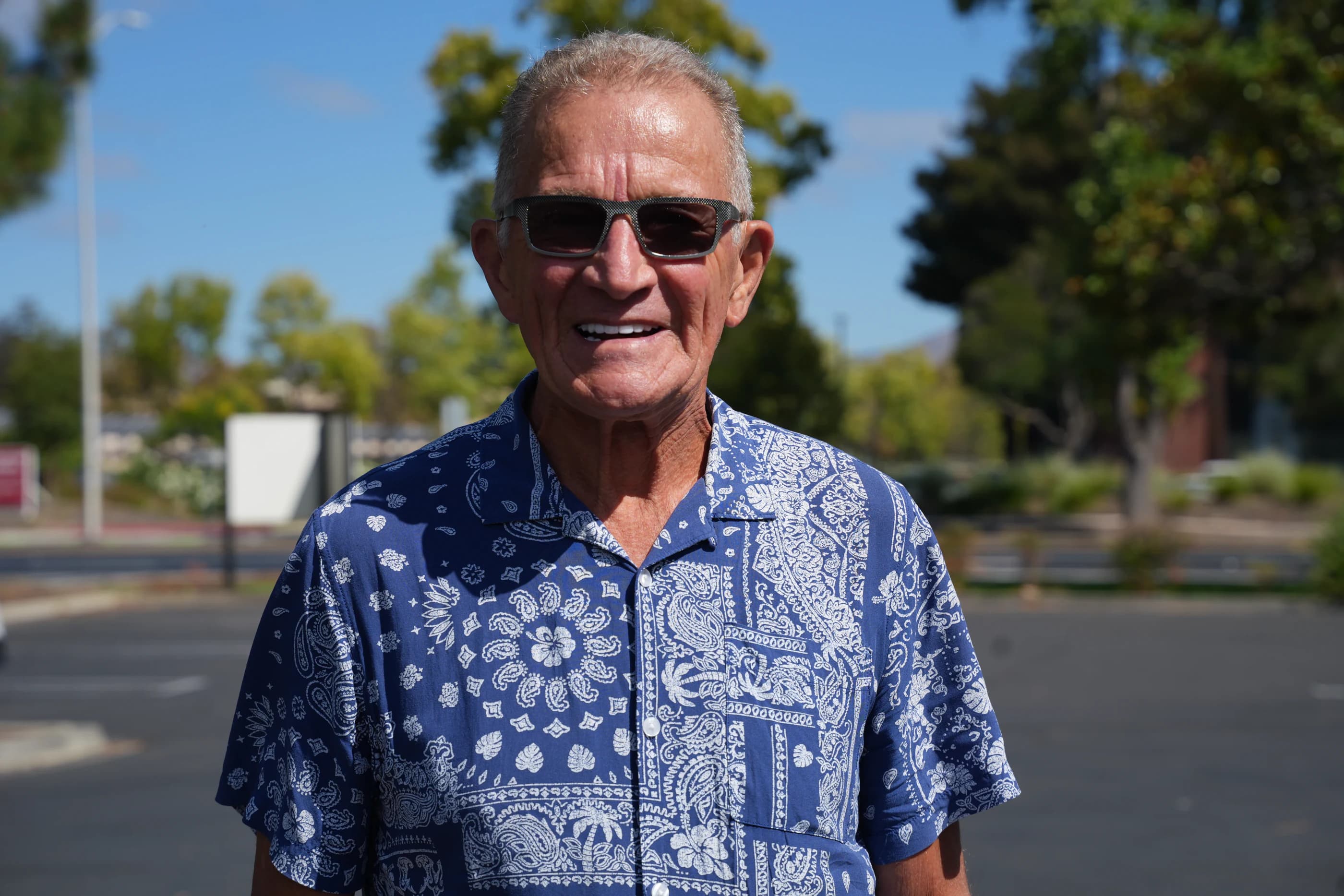
There is another way to live, and it doesn't involve taking your teeth out at night. Fixed implant teeth are anchored into the bone with titanium roots, so they don't slip, don't need a nightly glass, and let you bite into an apple or a steak without a plan B. For many long-time denture wearers, the switch happens in a single trip — you arrive wearing a denture and leave with teeth that don't come out. Even the plate over your palate can go.
We should be honest about one thing up front: years in dentures shrink the jaw, and some people arrive convinced they've waited too long. Usually they haven't. Between angled implants, zygomatic implants anchored in the cheekbone, and grafting when it's genuinely needed, most denture wearers we scan turn out to have a path — including plenty who were told 'no' somewhere else.
The Practice
This Practice, At A Glance
Figures reflect the practice's real numbers and general clinical ranges; your specifics are confirmed at a free consultation with 3D imaging. Individual results vary.
What Dentures Quietly Take And What The Bone Underneath Is Doing
What Dentures Quietly Take
Start with the part no one warns you about at the fitting: the bone keeps leaving. A tooth root feeds the jaw a little pressure every time you chew, and that signal is what keeps bone dense. A denture sits on top of the gums and sends no signal at all, so the ridge underneath steadily melts away — research puts the loss at roughly 50% of jaw width within the first year of losing a tooth. That's why every reline fits a little worse than the last, why lower plates get harder to keep down, and why long-term denture faces can take on that collapsed, shortened look around the mouth.
The costs reach past the mirror, too. When chewing gets hard, diets drift toward soft, forgiving food, and nutrition drifts with them. Larger studies link long-term tooth loss with higher cardiovascular risk, cognitive decline, and poorer nutrition — association, not a verdict, but a reason not to treat missing teeth as merely cosmetic. The point isn't to frighten anyone who's worn dentures for a decade. It's that the ground under a denture is always shifting, and the sooner you look at it honestly, the more options tend to be on the table.
There's a gentler truth folded in here as well: implants are the only replacement that puts working roots back into the bone. They don't just fill the gap — they give the jaw its job back and stop the slow retreat. If you want the full side-by-side, we lay it out plainly on our implants vs. dentures comparison.
How The Switch Actually Works Often In A Single Trip, Even Without Much Bone
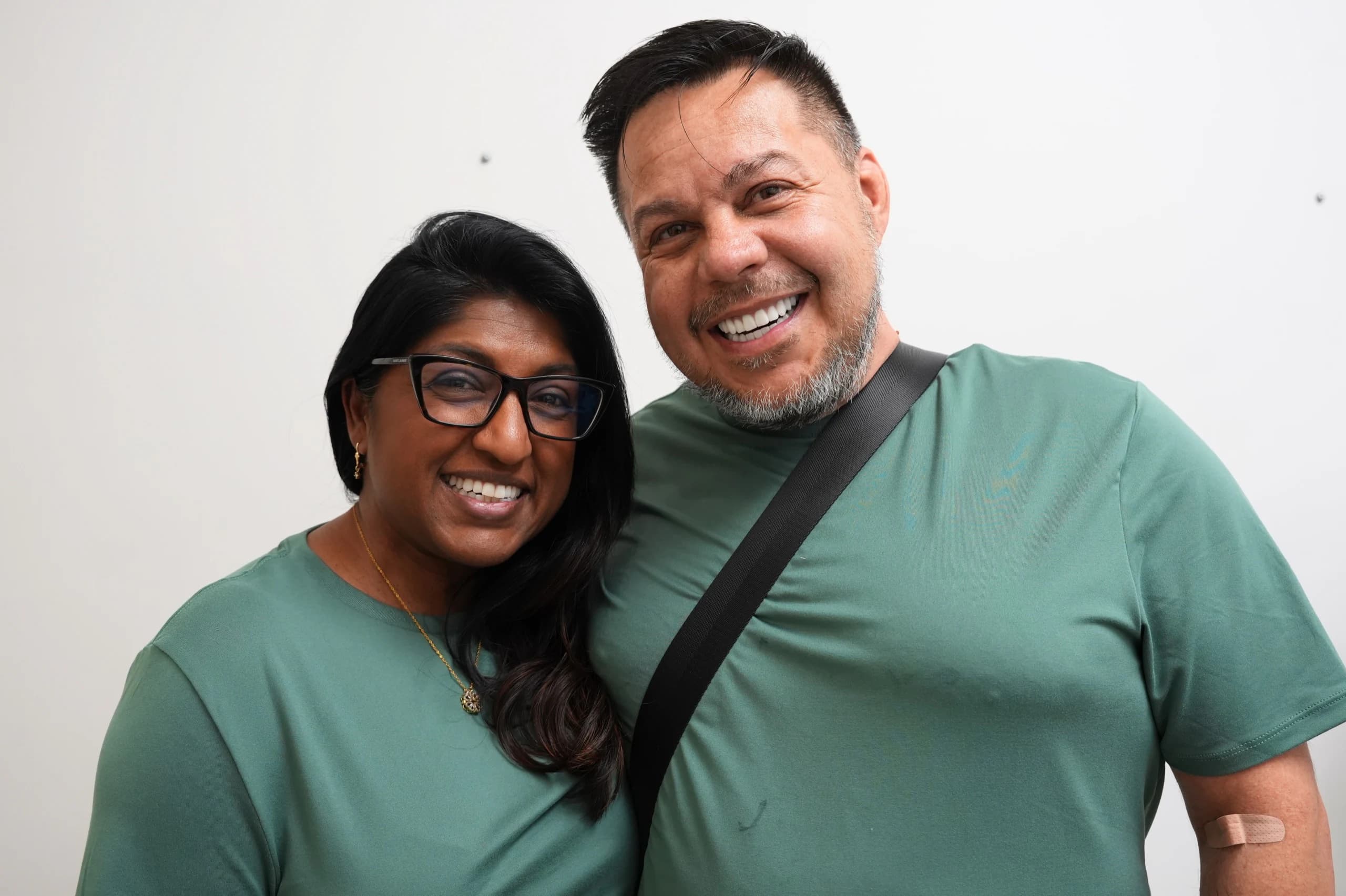
How The Switch Actually Works
Most conversions land on fixed full-arch teeth — a permanent, non-removable arch carried by four to eight implants, brushed and flossed like natural teeth and never once removed. On qualifying cases we place the implants, and you leave the same day with a fixed set of teeth, no removable plate pressing on healing gums. Your final teeth are milled in our own on-site lab in about 72 hours, not the six-to-eight months in a temporary that most clinics quietly build into 'teeth in a day.'
And if you've been told there isn't enough bone to hold anything? That sentence ends more denture-to-implant journeys than any real complication ever does, and it's usually wrong. When the upper jaw has worn thin, zygomatic implants anchor in the dense cheekbone instead — often skipping the years of grafting other offices quote. We take the hard cases on purpose: severe bone loss, failed grafts, even implants that gave out at another practice.
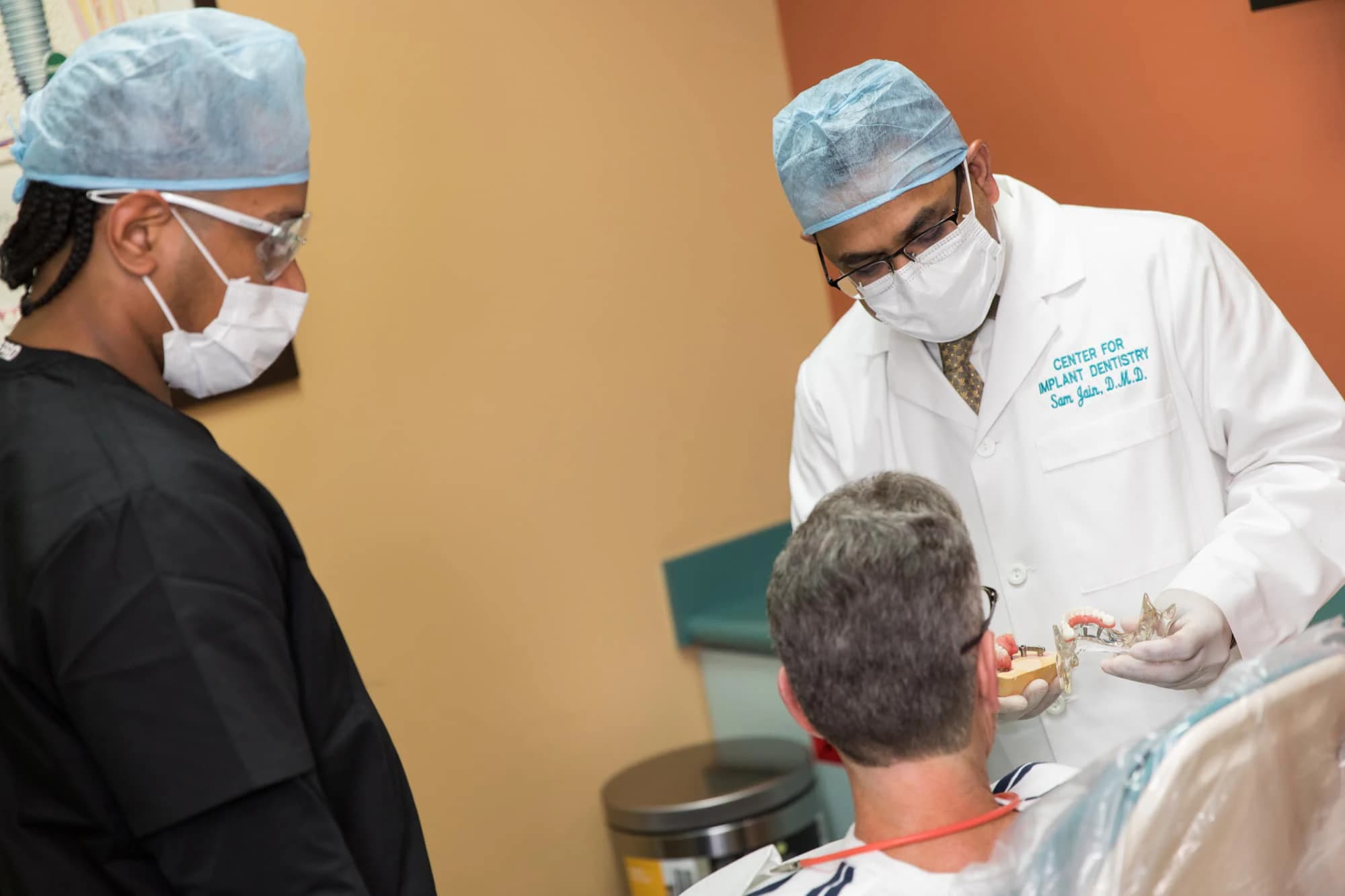
What makes any of this safe to promise is that it all happens inside one building, planned by the same two people who place and restore it. Owner-surgeons Dr. Sam Jain (DMD, plus a master's in mechanical engineering, and inventor of the All-on-8 Robust protocol) and Dr. Arpana Gupta (DDS, MDS) plan every case on a free 3D CBCT scan, guide the surgery with X-Guide and Navident navigation, sedate you if you want it, and mill your teeth in-house — no fly-in surgeon who's gone by your follow-up. Every cost is itemized in writing before you decide anything, roughly 92% of our full-arch patients finance through partners like Cherry and CareCredit, and the first visit — exam and 3D scan, a $499 value — costs you nothing.
Leaving The Denture Behind —What People Ask Us First
I've worn dentures for 10+ years. Is it too late to switch to implants?
Almost never, though it's the fear we hear most. Long-term denture wear does shrink the jaw, but that's a reason to get scanned, not a reason to give up. Angled implant placement, zygomatic implants anchored in the cheekbone, and grafting where it's truly needed give most long-time denture wearers a real path to fixed teeth — including many who were turned away elsewhere. Your free 3D CBCT scan gives a definitive answer based on your actual anatomy, not a guess.
Will I have to go without any teeth during the process?
No. On qualifying cases you leave the same day with a fixed set of teeth attached to your new implants — no gap, no going out in public without teeth, and no removable plate pressing on healing gums. Your final, custom-milled teeth are made in our on-site lab in about 72 hours for a full arch. You're never sent home to wait months in a temporary.
Can the implant teeth get rid of the plate on the roof of my mouth?
Yes, and it's the change patients rave about. A conventional upper denture covers your palate to hold suction, which is exactly why food tastes muted. Fixed implant teeth are held by roots in the bone, so an upper arch needs no palate coverage at all. Most people are stunned at their first real meal — food actually tastes like food again.
What's the difference between snap-in and fixed implant teeth after dentures?
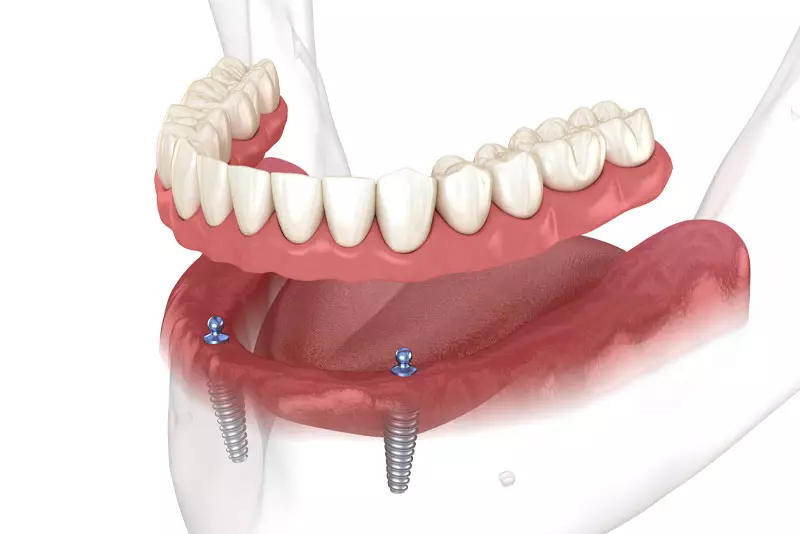
Snap-in (implant-supported) dentures clip onto two or more implants — far steadier than suction, but still removable and still cleaned in a glass at night. Fixed full-arch teeth are carried by four to eight implants, never come out, and are brushed and flossed like natural teeth. Most patients who qualify choose fixed. We offer both and show you honestly, on your own scan, what each would mean for your bone and your day-to-day.
What if another office already told me I don't have enough bone?
Bring that scan or get a new one — that sentence is where a lot of our patients start. When the upper jaw is too thin for standard implants, zygomatic implants anchor in the dense cheekbone and can skip the years of grafting other offices quote. We take the hard cases on purpose: severe bone loss, failed grafts, even implants that failed at another practice. Not everyone qualifies for every approach, and if you truly aren't a candidate, we'll tell you plainly.
How much does converting from dentures to implants cost?
Converting to All-on-4 is one fixed, all-included fee of $14,999 per arch, with any grafting and IV sedation the arch needs included. Otherwise your cost follows your case — bone volume, any grafting, sedation, and the number of teeth — and arrives as an itemized written quote, not a phone estimate. Because our surgery, sedation, and lab all live under one roof — no outside lab markups or visiting-surgeon fees — the quote reflects the work itself, itemized line by line. Roughly 92% of our full-arch patients finance through several trusted healthcare lenders, and you'll get your real, itemized number at a free consultation with a 3D scan — together a $499 value, at no cost.
Still weighing your options? Learn more about full mouth dental implants or schedule a free consultation.
Ready To Put The Denture Cup Away For Good? A Free 3D Scan Shows Exactly What Your Bone Will Allow
Clinically reviewed by
Updated
 Dr. Sam Jain, DMD, MS
Implant Surgeon, Implantologist & Founder
 Dr. Arpana Gupta, DDS, MDS
Implant Surgeon & Implantologist
Denture-to-implant treatment is planned and performed by these two owner doctors. The doctor who plans your case is the one who performs it and the one you see at follow-up. Their review covers the treatment description, candidacy, timelines, risks and aftercare.
- Treatment details change as our protocols and materials do.
- Your options can only be determined after an in-person examination and a 3D scan.