Are Dental Implants Painful? An Honest Look at What It Really Feels Like
The fear of pain stops more people from fixing their teeth than the cost does. Here's the honest version — what you feel during surgery, what recovery is really like, and where sedation fits.
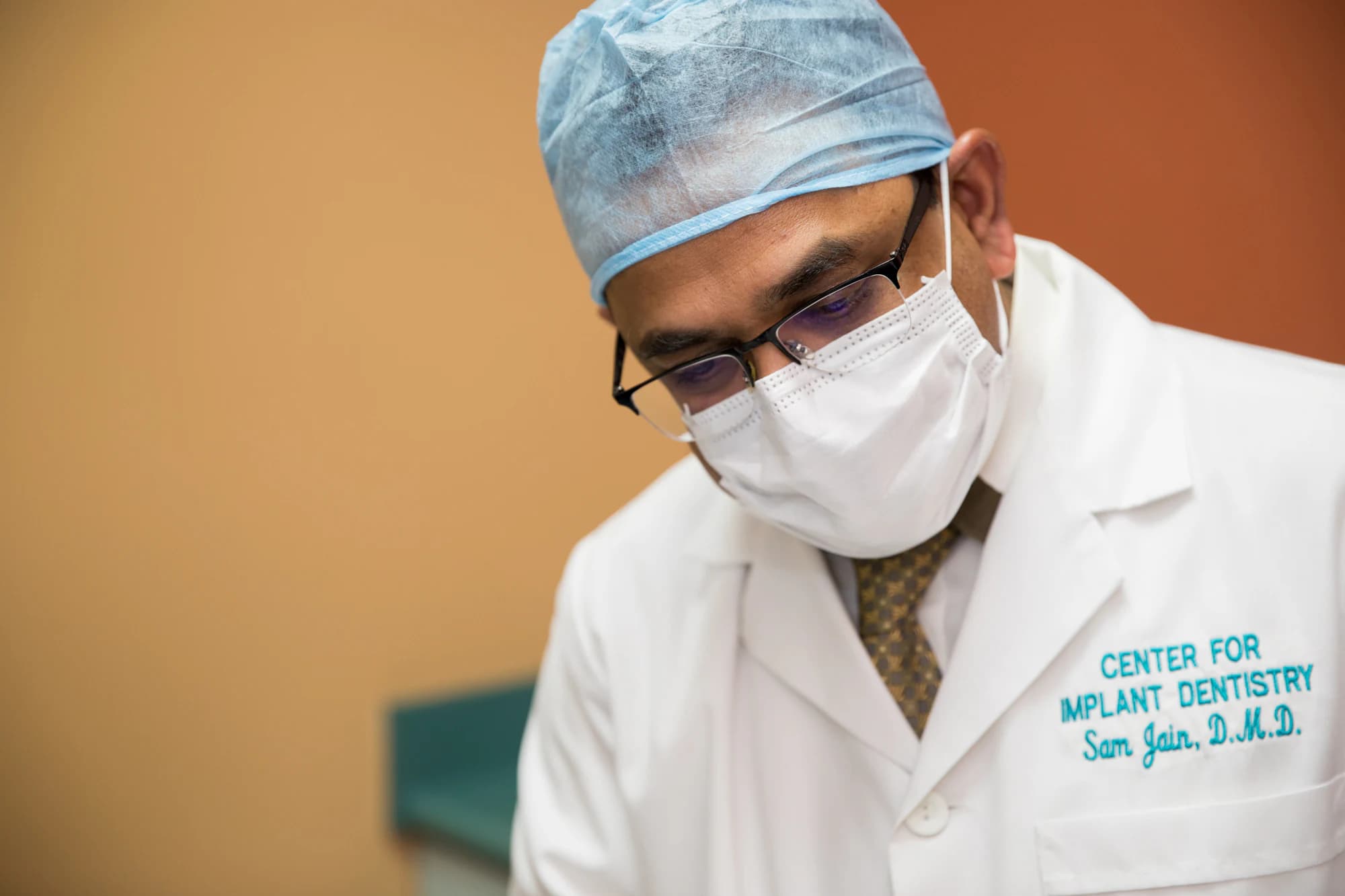

Written and medically reviewed by Dr. Sam Jain, DMD, MS, and Dr. Arpana Gupta, DDS, MDS
Published
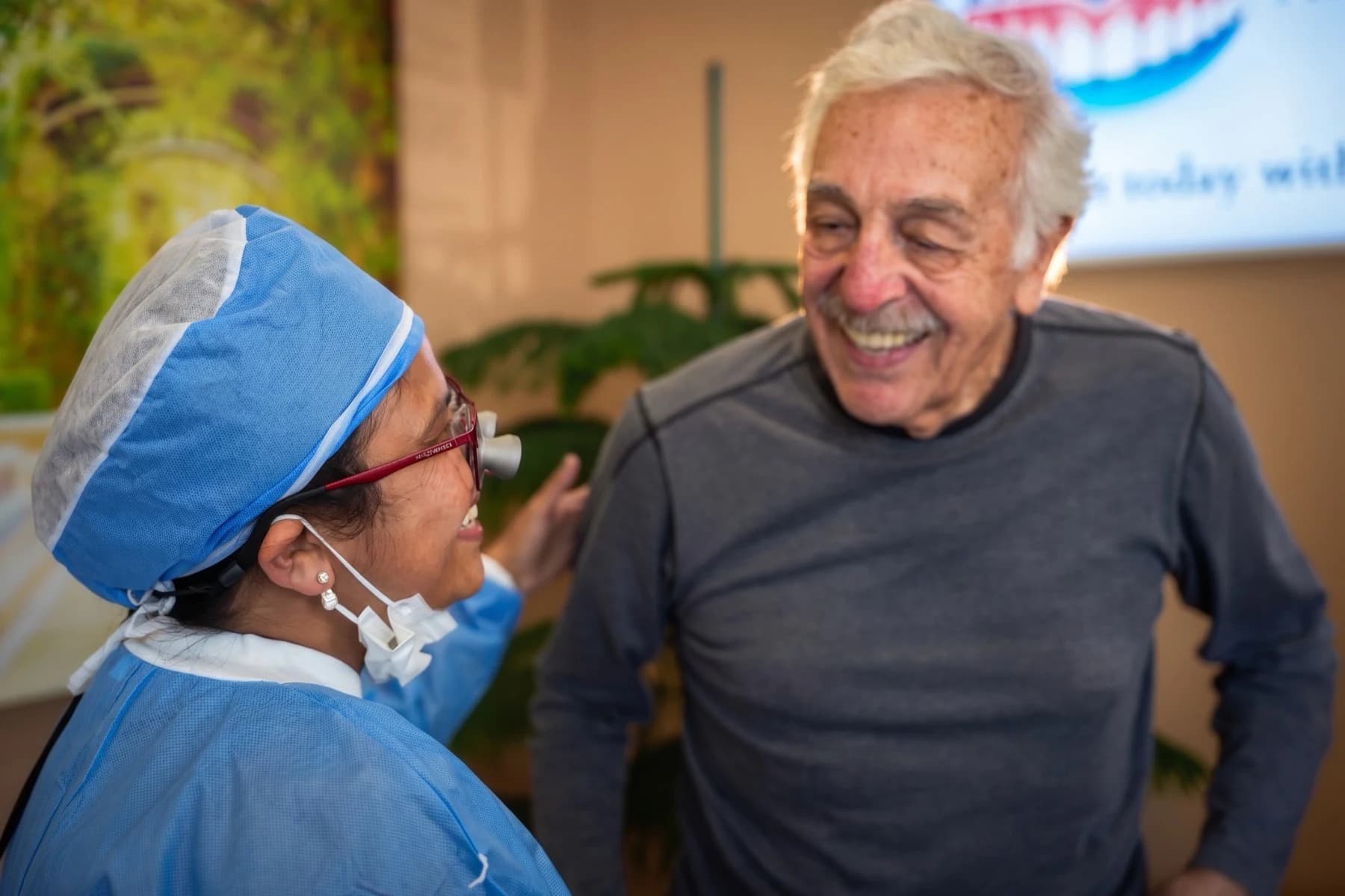
What patients report during the procedure: pressure, not pain
The part everyone dreads is the part you mostly sleep through. Implant surgery is done under local anesthesia, the same kind that numbs you for a filling, so the area is fully asleep before anything begins. What patients usually describe afterward is a sense of pressure and vibration — the awareness that work is happening — rather than the sharp pain they were bracing for. Placing a single implant often takes less time than a difficult extraction, and many people are surprised when we tell them it's done.
If the idea of being awake for it is what frightens you, you don't have to be. We offer both oral and IV sedation, overseen by ACLS-certified doctors, so anxious patients and longer full-arch cases can be treated in genuine comfort — many remember almost nothing of the appointment. You can read exactly how that works on our sedation dentistry page. The point worth holding onto: the surgery itself is not where the discomfort lives.

What the first few days actually feel like
Once the anesthesia wears off, most people have mild soreness and some swelling around the site — closer to the feeling after a tooth extraction than anything dramatic. Over-the-counter ibuprofen and acetaminophen handle it well for the majority of patients; we prescribe stronger medication when a case warrants it, but plenty of single-implant patients never fill it. Swelling and any bruising typically peak around day two or three and then fade, and most people are back to work and normal routines within a day or two.
The honest exceptions are the bigger cases. Full-arch or full-mouth surgery, bone grafting, or a sinus lift involve more tissue and a little more recovery — more swelling for a few days, a softer-food window while things settle. Even then, patients routinely tell us it was easier than they'd feared. Our dental implant recovery guide walks through the day-by-day timeline so nothing about your healing comes as a surprise.
Why implant recovery surprises people
There's a reason the reality lands easier than the reputation. Modern implant surgery is planned in three dimensions before a single instrument is used — a CBCT scan maps your bone, nerves, and sinuses, and guided or dynamically navigated placement means the surgery is precise and efficient rather than exploratory. Less guesswork in the chair means less trauma to the tissue, and less trauma means less to recover from. The engineering that goes in before the appointment is quietly why the appointment feels the way it does.
Experience matters here too. An implant placed cleanly, at the right angle, into well-planned bone simply heals more comfortably than one that fought its way in. Because we do only implants and do them every day — the same owner-surgeons, thousands of cases — the mechanics are second nature, and that shows up as an easier week for you. If you're weighing whether you're even a candidate, our free candidacy consultation is the place to start.
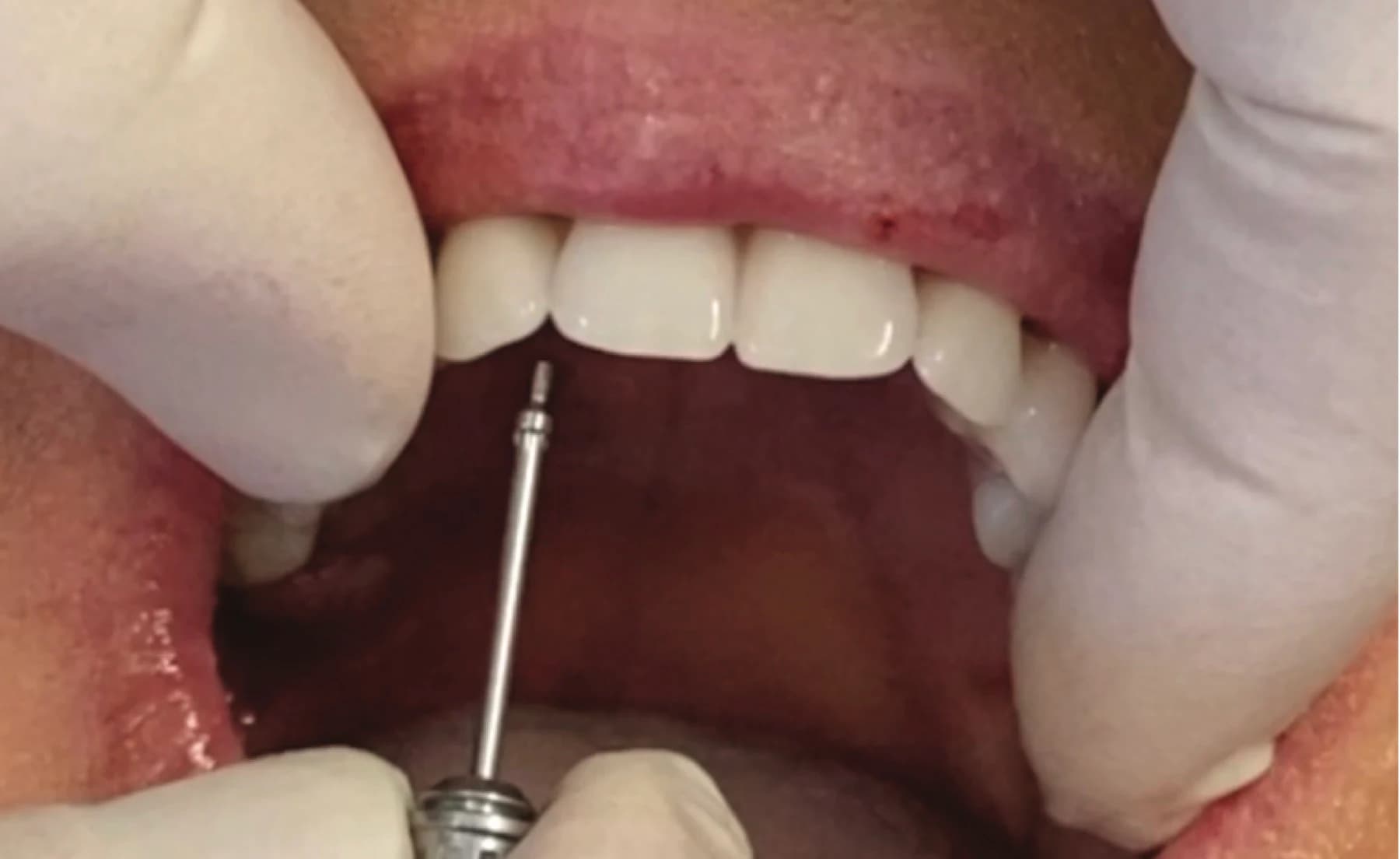
If you're genuinely anxious, say so
Dental fear is common and nothing to be embarrassed about — for many people it traces back to a bad childhood experience that has nothing to do with modern care. The worst thing you can do with that fear is let it keep you in pain from failing teeth for years. The best thing you can do is tell us at the consultation, so we can build the visit around it: numbing before you feel anything, sedation if you want it, and a pace set by you rather than the clock.
That comfort-first approach is not a luxury add-on; it's how good implant care is supposed to work. Patients who arrive terrified are very often the ones who leave saying they wish they'd done it years earlier. Fear is a reason to come in and talk, not a reason to wait — and the first visit is free, including the conversation about how we'll keep you comfortable.
Normal healing vs. when to call us
Knowing the difference removes most of the worry. Mild soreness, some swelling, minor bruising, and a little oozing on the first day are all normal and expected. They should improve steadily, not worsen. Warmth, ice, soft foods, gentle rinses, and your prescribed medication are usually all it takes, and each follow-up visit is with the same doctors who did your surgery — not a call center.
What isn't normal is pain that climbs after day three instead of easing, swelling that keeps growing, a fever, or bleeding that won't settle with pressure. Those are signals to phone us, not to push through — and because everything happens under one roof, we can see you quickly and sort it out. If you've had an implant done elsewhere that still hurts weeks or months later, that's worth a look too; our complications and second-opinion page explains how we approach it.
Written and medically reviewed by Dr. Sam Jain, DMD, MS, and Dr. Arpana Gupta, DDS, MDS, who own this practice.
This article is patient education, reviewed by Dr. Sam Jain, DMD, MS, and Dr. Arpana Gupta, DDS, MDS, and is not a substitute for an exam. Treatment recommendations are made only after an in-person consultation and 3D imaging.