Am I Too Old for Dental Implants? What Actually Decides Candidacy
Patients in their 70s and 80s ask this every week — and it's almost never your age that decides. It's a handful of health factors, and most of them are manageable.


Written and medically reviewed by Dr. Sam Jain, DMD, MS, and Dr. Arpana Gupta, DDS, MDS
Published
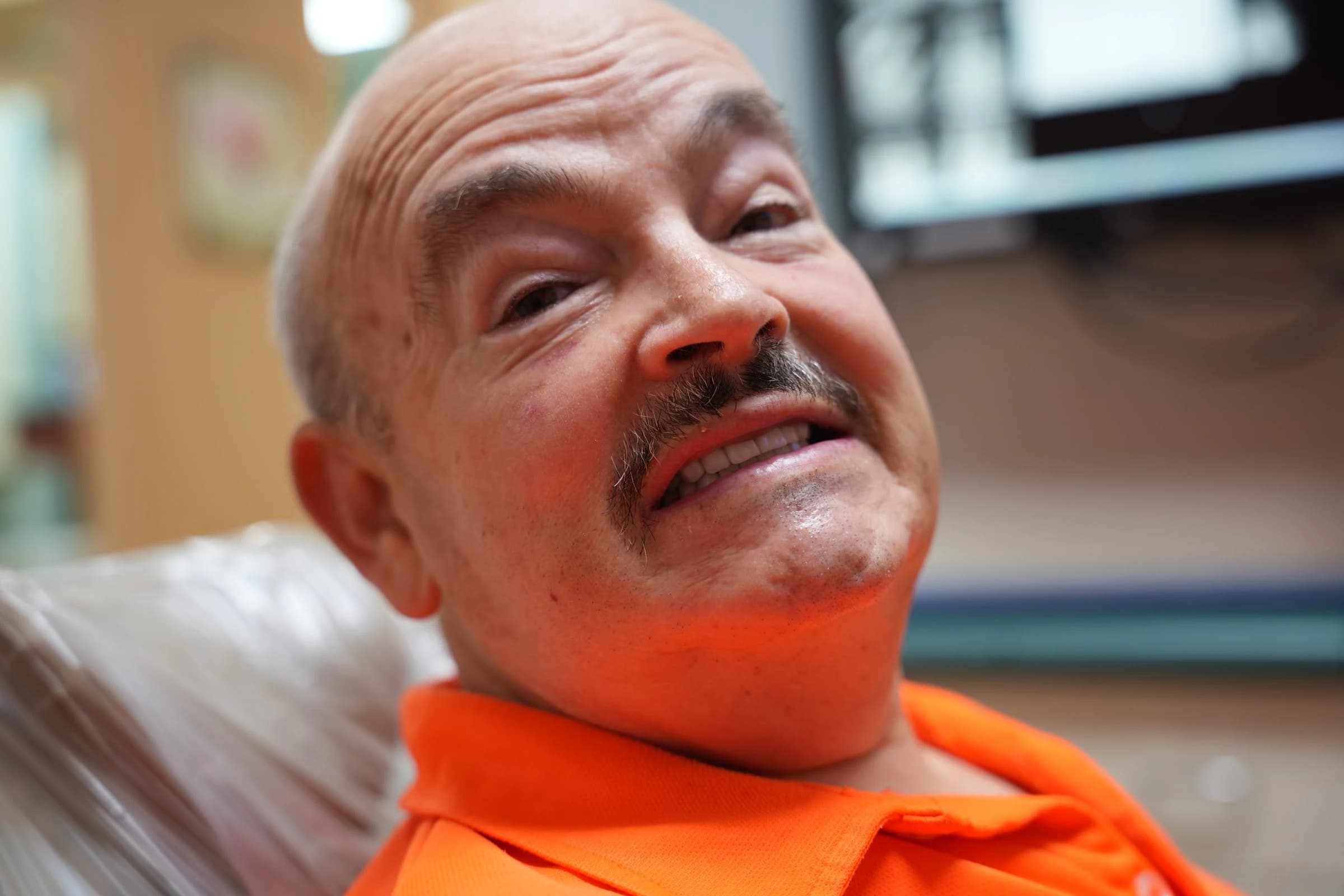
There is no upper age limit — and that's not a slogan
Implants have no maximum age. We routinely treat patients in their seventies and eighties, and the biology that makes an implant work — bone healing around a titanium post, a process called osseointegration — keeps working well into later life. A healthy 78-year-old is very often a better candidate than an unwell 55-year-old, because what the jawbone responds to is your overall health, not the number on your driver's license.
It's worth naming the irony: the people most likely to benefit from fixed teeth — those who've lost teeth, struggled with dentures for years, or find eating and speaking harder than they used to — are often the ones talked out of it by the assumption that they're 'too old.' They're usually not. The real question is never your age; it's whether your body can heal predictably, and that's something a single visit can answer.
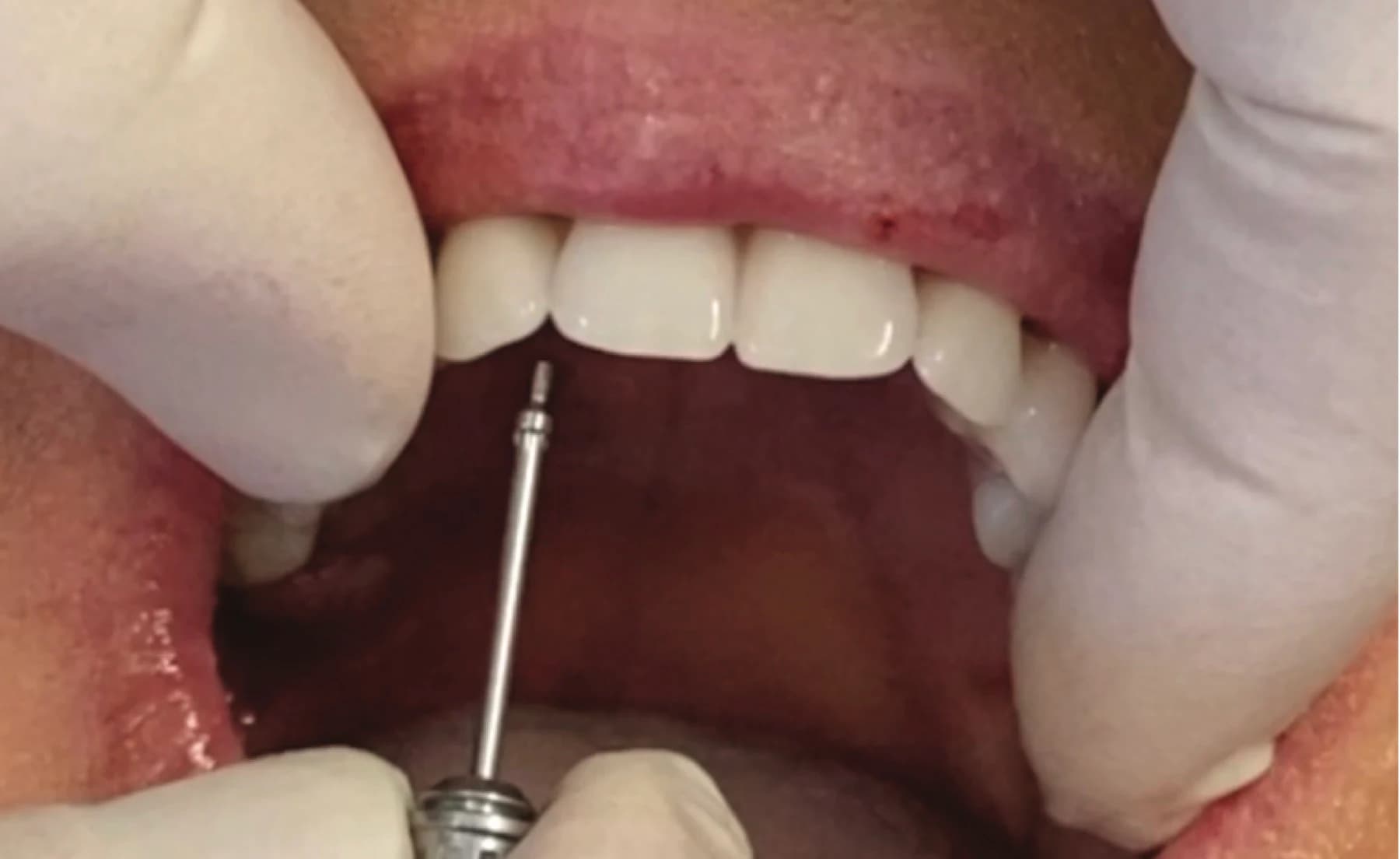
What actually matters is health, not birthdays
A few things genuinely influence how implants heal, and none of them is age itself. Uncontrolled diabetes slows healing — but well-controlled diabetes is not a barrier. Smoking meaningfully raises the risk of failure, which is worth an honest conversation rather than a quiet omission. Certain medications, particularly some bone drugs (bisphosphonates) taken for osteoporosis, and conditions that suppress healing, need to be reviewed carefully. Blood thinners usually can be managed around surgery in coordination with your physician.
The pattern in all of that is simple: these are factors to plan around, not automatic disqualifiers. A good consultation reviews your full medical history and medications precisely so your plan fits your body — sometimes that means coordinating with your doctor, adjusting timing, or choosing a technique that heals more predictably. Our candidacy consultation is built around exactly this review, and we've written more about implants later in life on our dental implants for seniors page.
"But I was told I don't have enough bone"
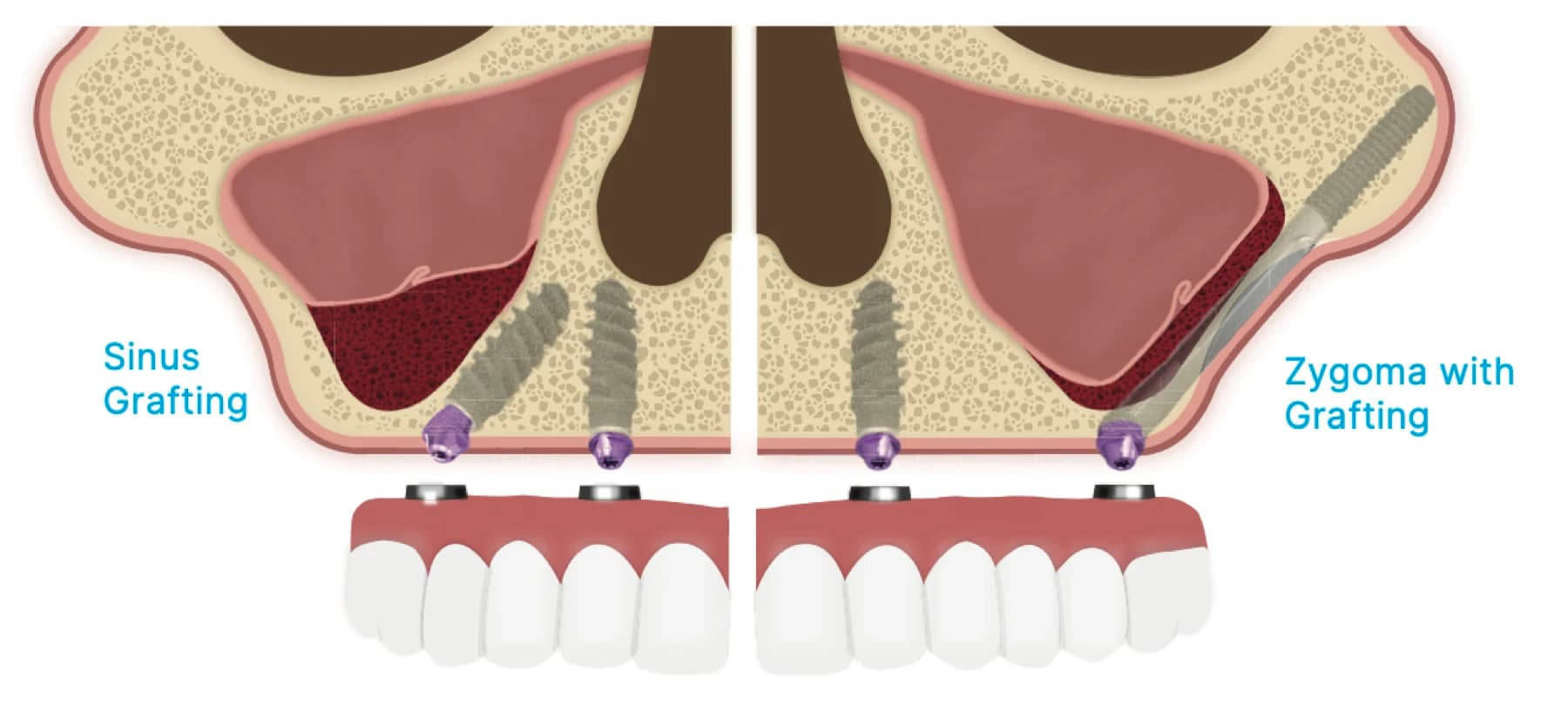
This is the other half of the 'too old' worry, and it's the one we're known for solving. Years of missing teeth or denture wear shrink the jawbone — that's normal — and many offices stop there and say no. We start with a 3D CBCT scan to see exactly what your anatomy allows, because the options are broader than most patients are told. Bone grafting can rebuild lost volume; angled All-on-4 placement uses the bone you still have; and zygomatic implants anchor into the dense cheekbone for people with severe upper-jaw loss.
Put plainly: 'not enough bone' is usually a reason to plan differently, not a reason to give up. A large share of the patients who come to us were turned away somewhere else and left with fixed teeth. Being told no elsewhere is often the beginning of the right conversation, not the end of it.
Why implants are often the better choice later in life
The case for implants tends to get stronger with age, not weaker. Removable dentures that slip and click make eating harder at exactly the stage of life when good nutrition matters most — soft-food diets quietly narrow to the few things that stay put, and that has real consequences for health. Fixed, implant-supported teeth restore most of your natural chewing power, which means protein, vegetables, and a normal diet come back within reach. Implants also slow the ongoing jawbone loss that dentures can't, preserving the facial structure that keeps you looking like yourself.
There's a quality-of-life dimension that doesn't show up on an X-ray, too — speaking freely, laughing without a hand over your mouth, not planning meals around what your teeth will allow. For many patients that's the whole reason they came in. Later life is arguably when those things matter more, not less, which is why 'am I too old' so often has the answer 'this is exactly the right time.'
How we find out for certain — in one visit
You don't have to guess, and you shouldn't have to pay to find out. The free consultation includes a 3D CBCT scan that shows your bone, nerves, and sinuses in detail, plus a full review of your health history and medications. From that, the doctor can tell you honestly whether implants are a good fit, what technique would suit your anatomy, and what it would involve — no pressure, no obligation. About 98% of the people who come in for a consultation turn out to be candidates in some form.
If cost is the worry sitting behind the age question — as it often is — we lay everything out in writing after the scan, with itemized pricing and financing options laid out plainly. You can see the details on our cost page and financing options. The first visit is free; it's the fastest way to replace a worry with an actual answer.
Written and medically reviewed by Dr. Sam Jain, DMD, MS, and Dr. Arpana Gupta, DDS, MDS, who own this practice.
This article is patient education, reviewed by Dr. Sam Jain, DMD, MS, and Dr. Arpana Gupta, DDS, MDS, and is not a substitute for an exam. Treatment recommendations are made only after an in-person consultation and 3D imaging.