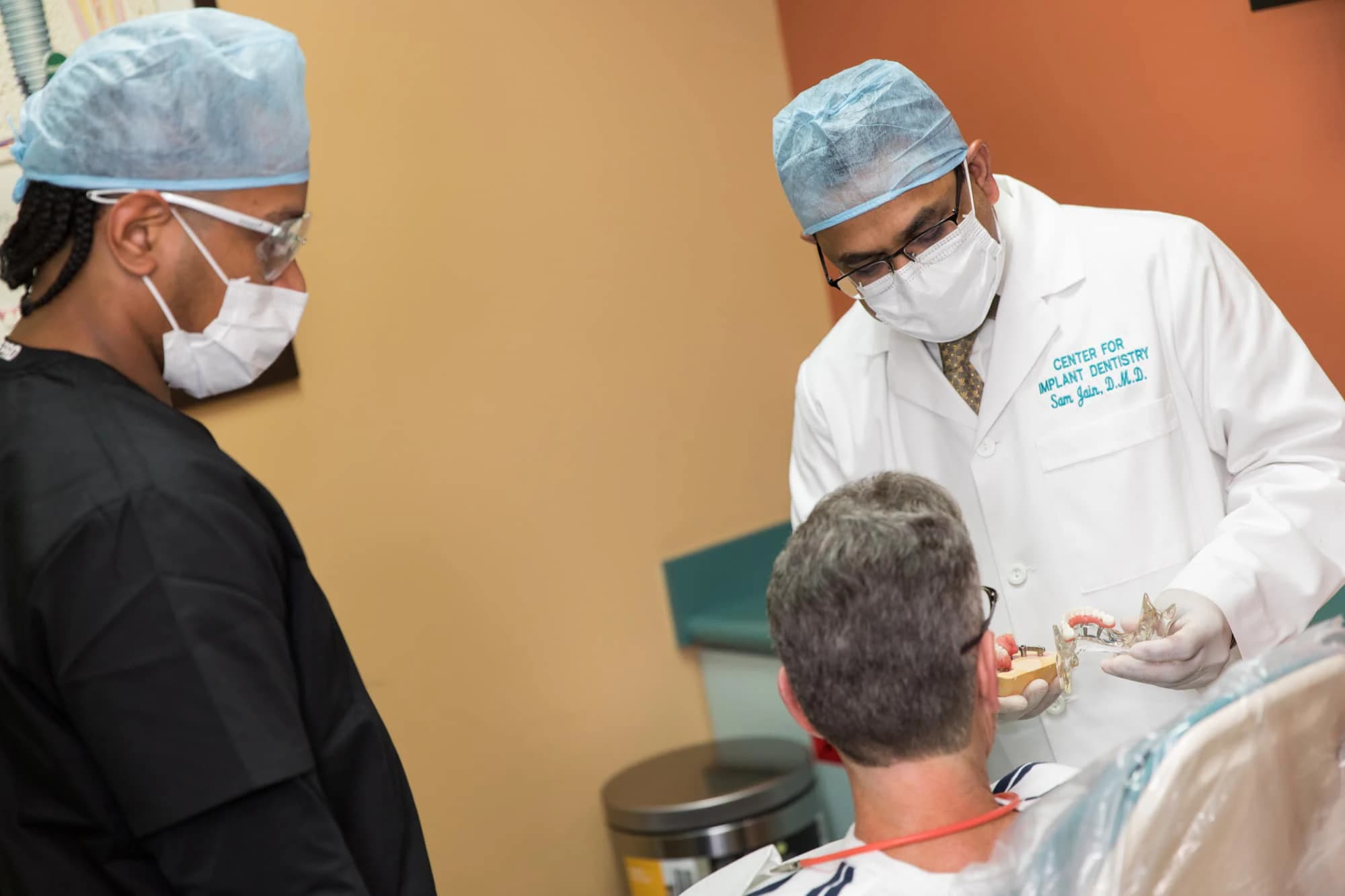
Build bone first or use zygomatic implants? Understand both paths.
Zygomatic Implants vs Bone Grafting in Fremont
Two roads for the upper jaw everyone else called hopeless
Schedule ConsultationNo Bone In The Upper Jaw · Two Honest Paths, One Scan To Decide
Rebuild The Bone, Or Anchor Past It?
You went in for implants and walked out with a sentence instead: not enough bone. For the upper jaw, that sentence lands harder — the bone up there thins fast after years of missing teeth or denture wear, and the sinus quietly expands into the empty space. It can feel like the door just closed.

There are actually two doors. One rebuilds the bone you lost with grafting, then places traditional implants once the new foundation heals — the staged, months-long path. The other skips the rebuild: zygomatic implants anchor in your cheekbone, the densest bone in your face, which tooth loss never erodes — and for many people that means fixed teeth in days, not a year of waiting.
Neither is the 'right' answer until we've seen your anatomy. The doctors who own this practice — Dr. Sam Jain and Dr. Arpana Gupta — read your free 3D scan themselves and tell you which road fits your jaw, your health, and your life. This page lays both out honestly, including the cases where grafting is still the better call.
The Practice
This Practice, At A Glance
Figures reflect the practice's real numbers and general clinical ranges; your specifics are confirmed at a free consultation with 3D imaging. Individual results vary.
Zygomatic Implants vs. Bone Grafting First
Both are real paths for a 'no bone' upper jaw — and this practice does both. Here's the side-by-side, so you can see which one your anatomy is actually pointing toward before you ever sit in the chair.
Timeline to fixed teeth
Zygomatic ImplantsOften days — a fixed provisional can go in at or shortly after surgery, with final milled teeth once your implants integrate.
Bone Grafting + Traditional ImplantsTypically months. Larger grafts heal for several months before the implant even goes in, then the implant heals, then teeth are built.
Number of surgeries
Zygomatic ImplantsUsually one surgical phase. The cheekbone is the foundation you already have — no separate rebuild appointment.
Bone Grafting + Traditional ImplantsOften staged: a grafting surgery first, then implant placement in a later visit once the new bone is solid.
Bone rebuilding needed
Zygomatic ImplantsFrequently none. Longer implants reach past the thinned jaw and anchor in dense cheekbone that stays put no matter what the jaw does.
Bone Grafting + Traditional ImplantsYes — that's the whole point. Proven graft material rebuilds the lost ridge or sinus floor into your own living bone over time.
Who it suits best
Zygomatic ImplantsSevere upper-jaw bone loss, years in dentures, or grafts that already failed — the jaws 'rebuild first' can't fix.
Bone Grafting + Traditional ImplantsLocalized bone loss with meaningful jaw remaining, single teeth or short spans, or cases where staged rebuilding is the safer bet.
Cost & financing
Zygomatic ImplantsAdvanced planning and surgery, so more per procedure — but often spares multiple graft surgeries. Itemized written quote, financing available.
Bone Grafting + Traditional ImplantsCan be lower for a small localized graft, but staged surgeries and visits add up. Both quoted in writing after your scan — never before.
When it's the wrong choice
Zygomatic ImplantsNot for minor bone loss or a single missing tooth — that's over-treating a jaw that only needs a modest rebuild.
Bone Grafting + Traditional ImplantsNot when the upper jaw is too resorbed to rebuild reliably — waiting a year for a graft that may not take is delay, not caution.
Comparisons are general guidance; your plan is confirmed after an exam and free 3D CBCT scan. Individual results vary.
The Real Difference Isn't Better Or Worse — It's Rebuild Versus Bypass
Two Legitimate Roads, One Anatomy Test
Bone grafting and traditional implants take the patient, faithful route. Where your upper jaw has thinned, grafting adds proven material your body converts into its own living bone over several months. Once that foundation is solid, standard implants go in and heal, and then your final teeth are built. It's the treatment that made modern implant dentistry possible, and for the right jaw it's exactly right. The trade-off is time and staging: often two surgical phases and the better part of a year before you're eating on fixed teeth. See how the rebuild actually works on our bone grafting page.
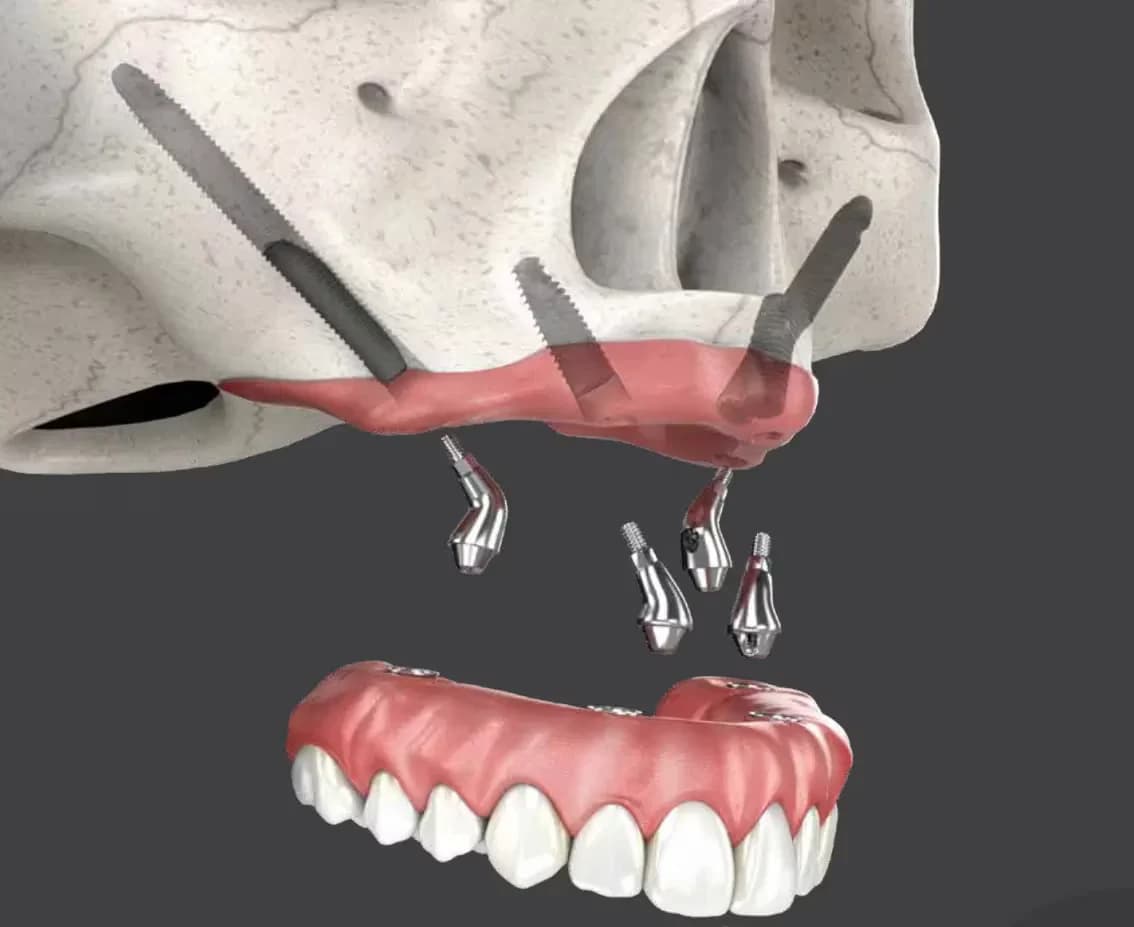
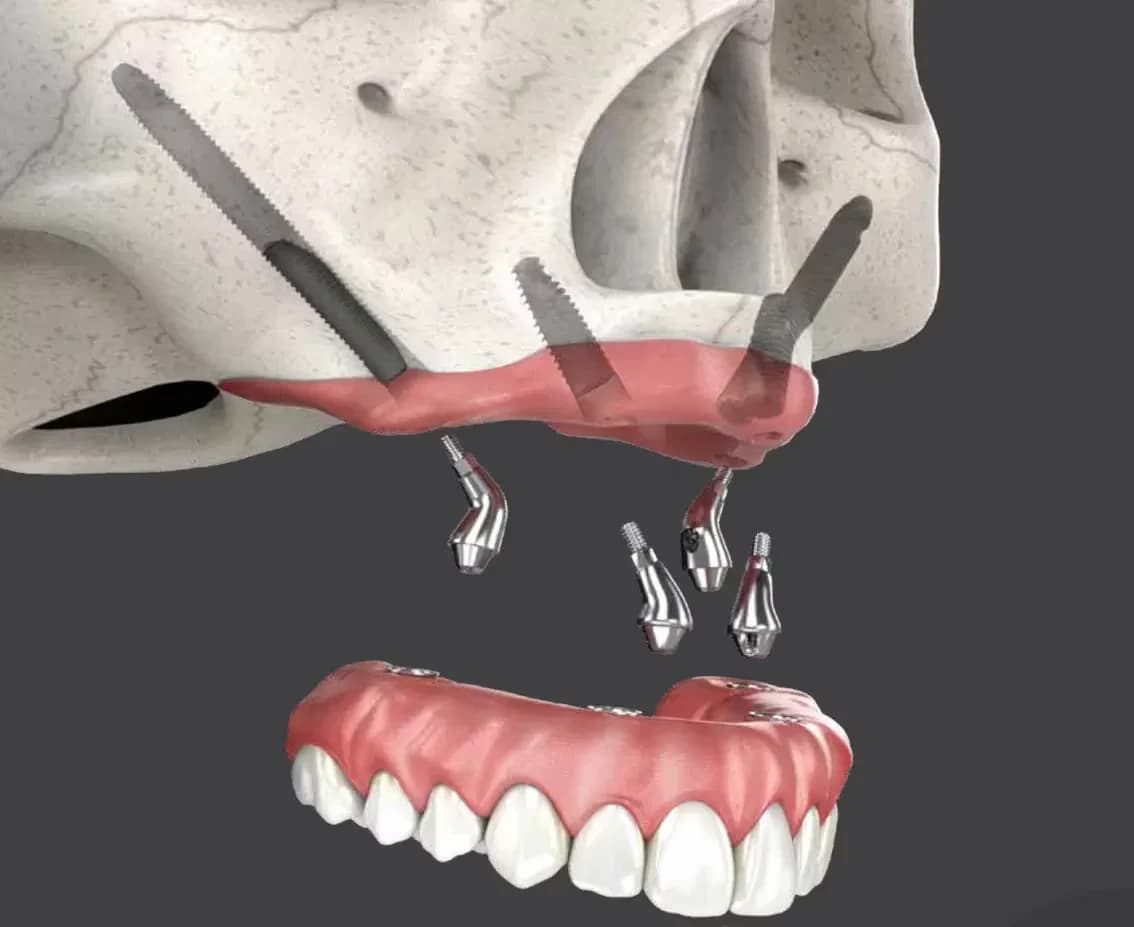
Zygomatic implants take a different engineering path. Instead of rebuilding the failed real estate, longer implants reach past it and anchor in the zygoma — the cheekbone — which stays dense and stable no matter how much the jaw above your teeth has worn away. Because that foundation is already there, there's frequently no major graft, no sinus lift, and no staged year of healing before a fixed set of teeth can be attached. Dr. Jain developed the All-on-8 Robust protocol and has made zygomatic and failed-implant reconstruction the practice's defining work; the full approach lives on our zygomatic implants page.
So the honest framing isn't which procedure wins. It's which one your specific upper jaw needs — how much bone remains, where it sits, the state of your sinus, your health, and how much time you're willing to spend in treatment. That's a measurement, not an opinion, which is why every plan here starts with a scan instead of a sales script.
When Grafting Is Still The Better Answer
When Grafting Is Still The Better Answer
We place zygomatic implants often, and we'll still steer some patients toward grafting instead — because for their anatomy it's genuinely the stronger call. If you have meaningful bone remaining and only need a localized rebuild, a modest graft plus a standard implant is less involved than a zygomatic case and uses the jaw nature gave you. If you're missing one tooth or a small span rather than a whole arch, grafting the site is usually the cleaner path. And certain sinus, health, or anatomical factors make the staged rebuild the safer, more predictable route.
Zygomatic implants earn their place when the upper jaw has genuinely run out of options: severe resorption after years in dentures, grafts that already failed, or a jaw so thin that 'rebuild first' would mean surgery after surgery with no guarantee. For those patients, waiting a year to graft a foundation that may not take isn't caution — it's delay. The cheekbone is already waiting, and it doesn't shrink.
This is exactly the judgment you want made by the surgeons who will actually do the work, not a coordinator working from a price list. Dr. Jain came to dentistry from mechanical engineering, and both doctors are Masters of the International Congress of Oral Implantologists. When they recommend grafting over zygomatic — or the reverse — it's because your CBCT told them so. If your scan says grafting is smarter, that's what you'll hear, in writing, with the cost laid out before you commit to anything.
Graft First, Or Skip It?The Questions Behind That Choice
I was told I'm not a candidate for implants at all. Is that final?
Almost never, for the upper jaw. 'Not a candidate' usually means 'not a candidate for the standard technique that office offers' — it's a limit of their toolkit, not your anatomy. Severe upper-jaw bone loss is precisely the situation zygomatic implants were engineered for, because they anchor in the cheekbone instead of the jaw that thinned out. We see patients every week who were turned away elsewhere. A free 3D CBCT scan shows the doctors your cheekbone, sinus, and remaining jaw in millimeter detail, and you get a straight answer — including an honest no if the scan shows one.
Which is faster — zygomatic implants or grafting first?
Zygomatic implants, usually by a wide margin. Because the dense cheekbone provides strong initial stability, a fixed provisional set of teeth can often be attached at or shortly after surgery, with your final milled teeth following once integration is confirmed. Bone grafting is the longer road by design: larger ridge and sinus rebuilds typically need several months to become living bone before an implant can even go in, then the implant heals, then teeth are built. That's often two phases across most of a year. If speed to fixed teeth matters most and your anatomy allows, zygomatic wins on time.
Does skipping the graft mean zygomatic is riskier?
It's a more advanced procedure and deserves respect, but skipping the graft isn't the risk — it's the point. Zygomatic implants pass near the maxillary sinus, so sinus irritation is the most-discussed complication in the literature, which is exactly why we plan every case on 3D CBCT imaging and place it with X-Guide and Navident EVO navigation tracking the surgery against your scan in real time. Grafting carries its own trade-off: more procedures and more healing stages, each of which has to succeed. Different risks, both manageable in experienced hands — and both doctors here plan, place, and restore your case themselves.
Is one cheaper than the other?
It depends entirely on your case, and anyone quoting a number before seeing your scan is guessing. Zygomatic treatment involves advanced planning and surgery, so per procedure it generally costs more than a single standard implant — but it can spare you multiple graft surgeries and a year of staged visits, which carry their own costs. You'll get an itemized estimate in writing at your free consultation, and financing through several trusted healthcare lenders means a payment plan is within reach — about 92% of our full-arch patients choose one, with prequalification that doesn't touch your credit score.
Can I have both — grafting in some spots and zygomatic in others?
Often, yes, and it's one of the advantages of a practice that does all of it under one roof. When some bone remains toward the front of your jaw, the doctors may pair standard implants there with zygomatic implants in the back where the bone is gone — or place a small graft alongside implants where it genuinely helps. Your CBCT decides the mix. The goal is never to sell you the biggest procedure; it's to use the least surgery that gets you fixed teeth that last.
Who actually performs the surgery?
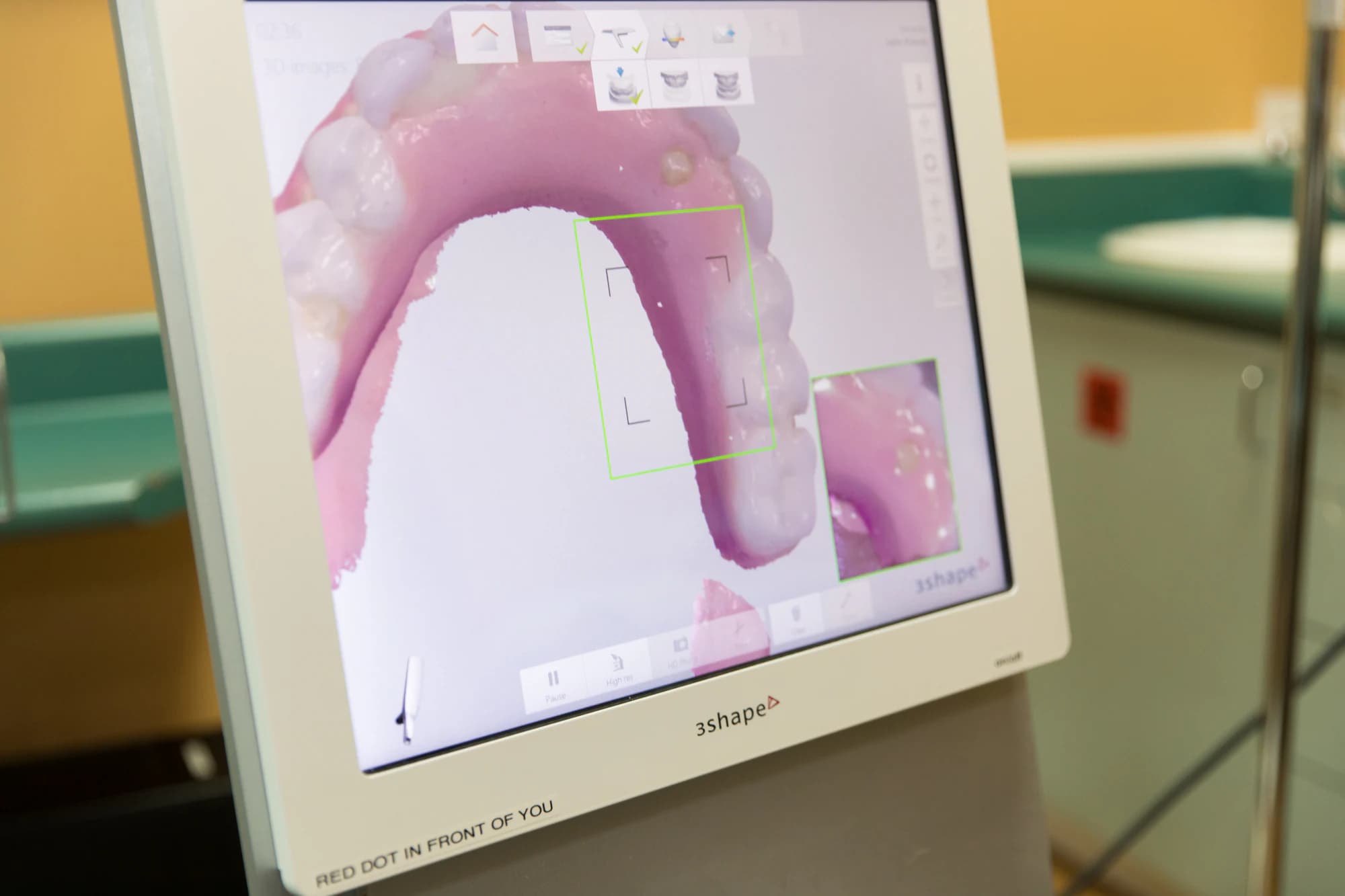
Dr. Sam Jain and Dr. Arpana Gupta — the husband-and-wife surgeons who own the practice — plan, place, and restore every case, whether it's a graft or a zygomatic reconstruction. Never a fly-in surgeon you meet the morning of surgery. Everything happens at the Fremont office: the free 3D CBCT scan, guided surgery with IV sedation, and our in-house CAD/CAM lab that mills your final teeth. Their engineer, Andy Jain, runs the mill, which is how single-tooth cases can reach final teeth in about 24 hours and full-arch cases in about 72 hours.
Still weighing your options? Learn more about full mouth dental implants or schedule a free consultation.
Been Told You Have No Bone For Upper Implants? One free 3D scan tells you which path is yours — grafting, zygomatic, or both
Clinically reviewed by
Updated
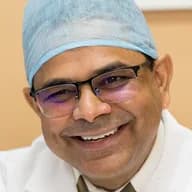 Dr. Sam Jain, DMD, MS
Implant Surgeon, Implantologist & Founder
 Dr. Arpana Gupta, DDS, MDS
Implant Surgeon & Implantologist
Their review covers the treatment description, candidacy, timelines, risks and aftercare.
- Treatment details change as our protocols and materials do.
- Your options can only be determined after an in-person examination and a 3D scan.