When your teeth work again, everyday life gets easier.
This Was Never About Teeth
The years, the meals, the photos you are still in — and why waiting quietly costs more than the tooth ever did.
Schedule ConsultationWhy It Matters
Why Dental Implants Matter More Than A Gap You Learned To Live With
You already know which side you chew on. You have stopped ordering the steak, learned to laugh with your hand half-raised, drifted to the edge of the group photo. None of it felt like a decision — it happened one small avoidance at a time, until the gap was just a fact of your day. That quiet accommodation is the real cost of a missing tooth, and it never shows up on a bill.
Here is the part most people are never told: your body does not treat a missing tooth as cosmetic. The jawbone that once held the root begins to melt away — losing roughly 50% of its width within a year of an extraction, two-thirds of that in the first three months. And across large populations, researchers keep finding that tooth loss travels alongside heavier outcomes: higher cardiovascular risk, faster cognitive decline, thinner nutrition, even shorter lifespans. Association, not proof of cause. But a pattern that consistent is worth taking seriously.
A dental implant matters because it is the one replacement that puts a root back into the bone — halting the shrinkage, restoring a real bite, giving you back the meals and the photos you had quietly written off. The hopeful part: most of this is reversible, and finding out where you stand costs nothing. Your first visit here includes a free 3D scan, so you can see whether you are a candidate before you decide a single thing.
Transforming Smiles Since 2008
How We're Changing Lives, One Smile At A Time
What the research measures — and what we see in the chair every week.
Figures reflect the practice's real numbers and general clinical ranges; your specifics are confirmed at a free consultation with 3D imaging. Individual results vary.
The Human Cost What The Gap Quietly Takes
The Human Cost
Start with the dinner table, because that is where most people feel it first. A missing back tooth turns a ribeye into a negotiation. So you order the pasta. You skip the apple, the corn on the cob, the crusty bread you used to love. Over months that is not just less joy — it is measurably less nutrition. Older adults without their natural teeth take in significantly less protein, calcium, iron, fiber, and vitamin C than people who kept them. When chewing narrows, the plate narrows with it, and the body notices.
Then there is the face in the mirror. As the jawbone shrinks under a gap, the lower third of the face slowly collapses inward — the change that reads, to everyone else, simply as aging faster. Lips thin, the chin drifts forward, deep lines appear that no cream touches. It is not vanity to want to look like yourself. It is the difference between a grandchild seeing the grandparent they know and a grandparent hiding behind a closed-mouth smile in every picture from here on.
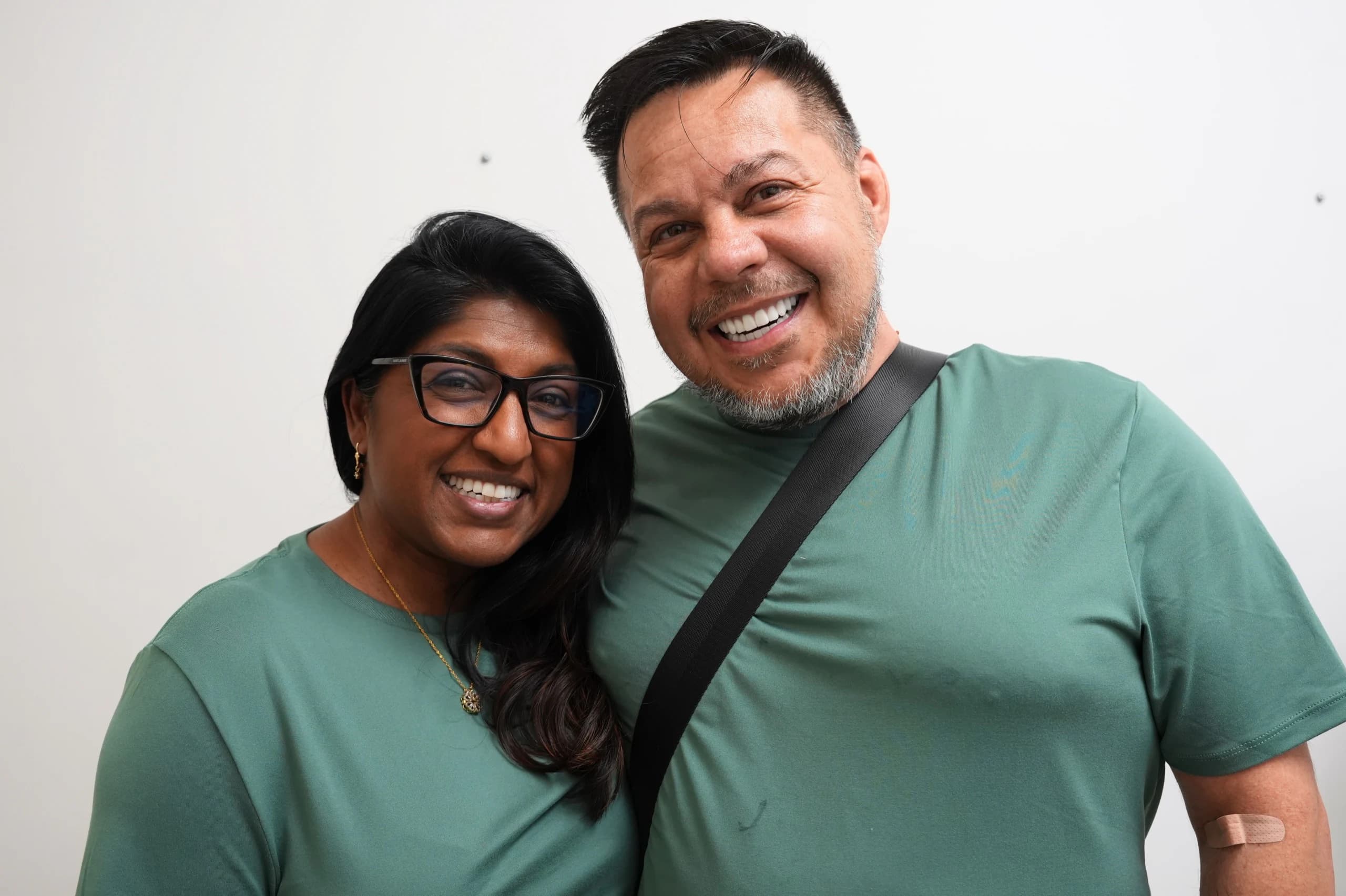
And underneath all of it runs a low current of avoidance most people never say out loud — the covered laugh, the declined dinner invitation, the phrase you rehearse so your tongue does not catch the space. That is the quiet tax. It is real, it compounds, and it is exactly the thing an implant is designed to hand back.
The Honest Science What Research Links, And What It Does Not

The Honest Science
We will not tell you a missing tooth gives you heart disease or dementia — honest science does not hand out certainties like that, and anyone who does is selling something. What the large studies show is quieter and more useful: tooth loss and oral infection consistently travel together with the outcomes that matter most. A joint consensus of European periodontists and the World Heart Federation found strong, independent evidence linking severe gum disease to higher cardiovascular risk. Pooling fourteen studies of over thirty-four thousand adults, more missing teeth meant higher dementia risk — about 1.4 times for those with none left. The detail that stays with us: in that data, the added risk faded in people whose teeth were replaced.
The one fact beyond debate is mechanical. A tooth root does a job every time you bite: it signals the jawbone to stay dense and alive. Remove the root and the bone reads it as retirement — it recedes, and it does not grow back on its own. This is why a decade in a denture leaves the sunken profile it does. A denture rests on the gum; it never sends that signal. An implant gives the bone its working root back — stopping the shrinkage at its source instead of sitting on top of it. You can read the full peer-reviewed evidence, citations and all, on our dental implant research page.
So the honest case is not fear. It is arithmetic. Missing teeth change how you chew, the jaw shrinks without a root to stimulate it, and chronic oral infection is never neutral for the rest of the body. Those three plain facts are enough, on their own, to treat a gap as something worth closing — not someday, while there is still bone to work with.
It Is Reversible And The First Scan Is Free
Here is the part that should lift the weight off: almost none of this is a life sentence. Bone that has shrunk can be rebuilt with grafting; a jaw the world called hopeless can still hold a fixed set of teeth. Even patients told flatly they had no bone for implants often qualify after a proper 3D scan — and when they truly do not, zygomatic implants anchored in the cheekbone give many of them fixed teeth anyway. We take the hard cases on purpose, including rescuing failed implants placed at other offices.
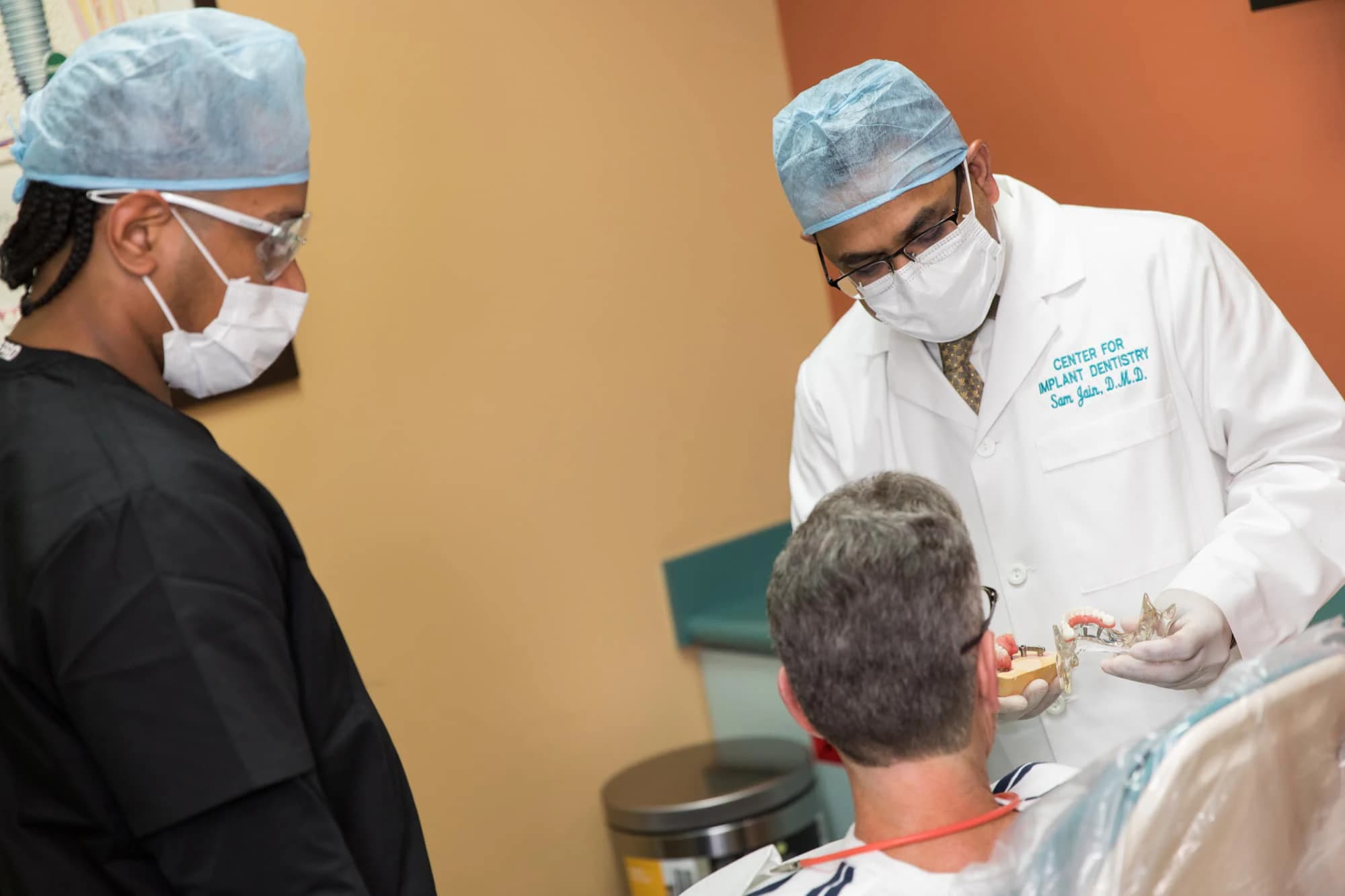
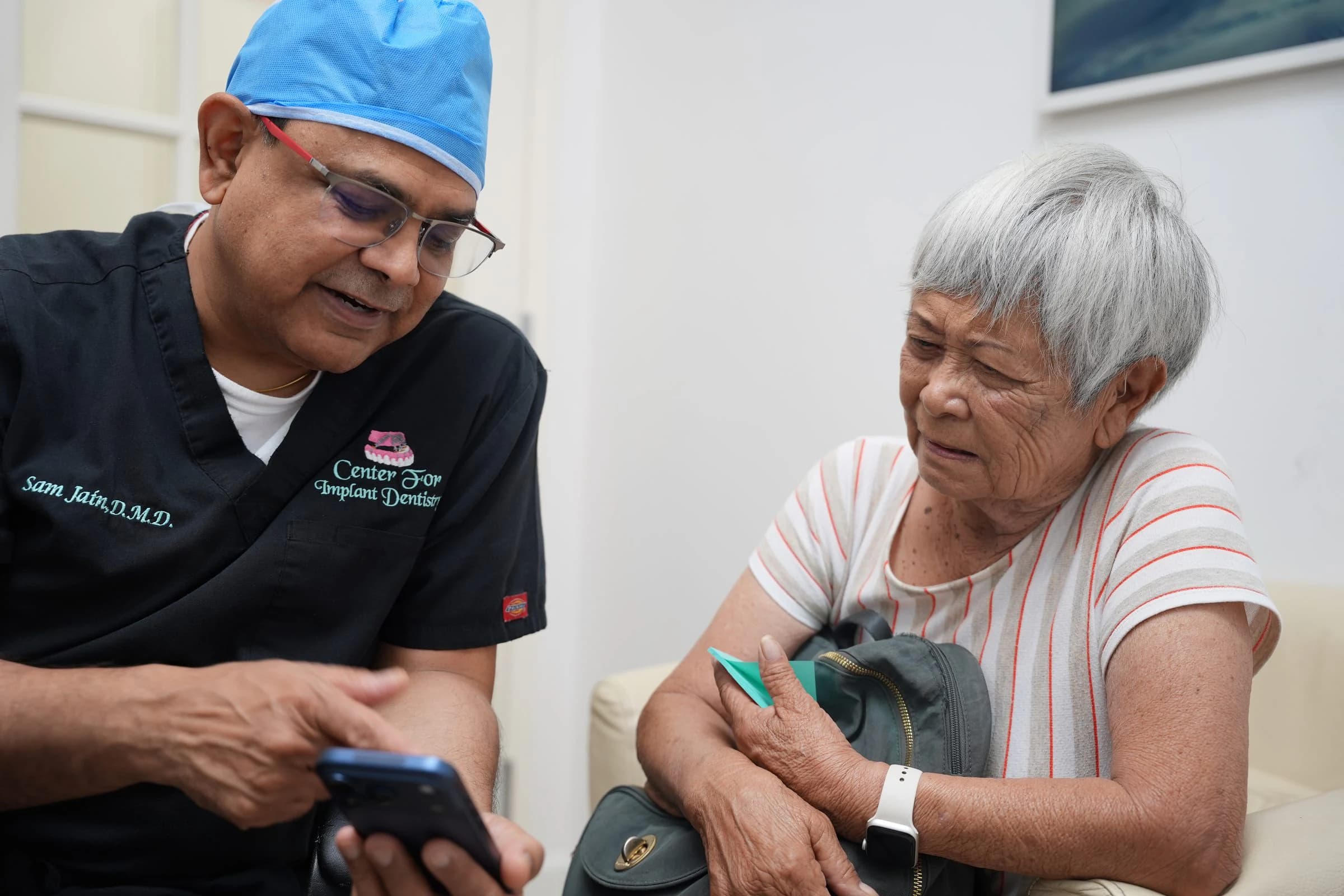
It matters who does the work. At our family-owned center, the same two owner-surgeons — Dr. Sam Jain, who carries a mechanical-engineering degree alongside his dental training and developed the All-on-8 Robust protocol, and his wife Dr. Arpana Gupta, both ICOI Masters — plan, place, and craft your new teeth themselves. No fly-in surgeon who places an implant and leaves before you smile. You can visit Fremont or San Francisco — both are complete implant centers, with consultation, 3D scan, surgery, IV sedation, same-day teeth and follow-up available at either. That coordinated workflow means qualifying patients can receive single- or multiple-tooth restorations in about a day and a full arch in about 72 hours — not six to eight months in temporaries.
The first step is not surgery, or a decision, or a deposit. It is a look. Your consultation and 3D CBCT scan are free — a $499 value — and they simply tell you the truth about your own mouth: where the bone stands, what is possible, what it would take. Most people leave lighter just for knowing. When you are ready to find out, see whether you are a candidate and we will show you exactly what your jaw allows.
Why Bother At My Age?And The Questions Behind It
Do missing teeth really affect the rest of my health?
Research links tooth loss to higher cardiovascular risk, faster cognitive decline, and poorer nutrition — but these are associations across large populations, not proof that a missing tooth causes disease. What is certain is mechanical: missing teeth change how you chew, and the jawbone shrinks without a root to stimulate it. Notably, some studies found the added dementia and mortality risk faded in people whose teeth were replaced.
What actually happens to my jaw if I leave a gap alone?
The jawbone that held the root begins to resorb almost immediately — losing roughly 50% of its ridge width within a year, most of it in the first three months. That shrinkage is why long-term denture wearers develop a sunken profile. A dental implant is the only replacement that restores the root itself, which is what signals the bone to stay dense and stops the loss rather than sitting on top of it.
Is it too late if I have already lost bone or was told I am not a candidate?
Usually not. Bone that has shrunk can be rebuilt with grafting, and even patients told they had no bone often qualify after a proper 3D scan. When the jaw truly cannot hold standard implants, zygomatic implants anchored in the cheekbone give many people fixed teeth anyway. We take these hard cases on purpose, including rescuing failed implants from other offices. A free CBCT scan is the only way to know for certain.
Why do dental implants matter more than a bridge or denture?
A bridge or denture replaces the crown you see but not the root you do not. Only an implant puts a titanium root back into the bone, so it is the only option that halts jaw shrinkage, restores a natural bite strong enough for steak, and does not need to be taken out at night. That root is the whole reason implants protect your face shape and chewing for the long term.
How much does it cost, and how quickly could I have teeth?
All-on-4 is one fixed, all-included fee of $14,999 per arch. Anything else depends on your mouth — bone volume, any grafting, sedation, and how many teeth you're replacing — so we give a clear, itemized estimate at your free consultation, never a phone quote. About 92% of full-arch patients finance through options like Cherry or CareCredit. Because we mill zirconia in-house, for qualifying cases single or multiple teeth are ready in about a day and a full arch in about 72 hours.
What actually happens at the free first visit?
You get a free consultation and 3D CBCT scan — together a $499 value — and an honest read of your own anatomy: where the bone stands, what is possible, and what a plan would involve. There is no pressure and no obligation to move forward. Most people leave lighter simply for knowing where they stand. The same owner-surgeons who would do your treatment are the ones who review your scan with you.
Still weighing your options? Learn more about full mouth dental implants or schedule a free consultation.
Find Out What Your Own Jaw Still Allows
Clinically reviewed by
Updated
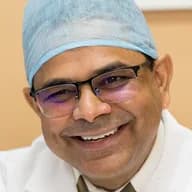 Dr. Sam Jain, DMD, MS
Implant Surgeon, Implantologist & Founder
 Dr. Arpana Gupta, DDS, MDS
Implant Surgeon & Implantologist
Their review covers the treatment description, candidacy, timelines, risks and aftercare.
- Treatment details change as our protocols and materials do.
- Your options can only be determined after an in-person examination and a 3D scan.