5 Common Cosmetic Dental Procedures and Their Benefits

Cosmetic Dental Procedures and Their Benefits

If You’re weary with store-bought dental procedures and online fads, it’s essential to see a cosmetic dentist. When you see a cosmetic surgeon, you are opening yourself up for outcomes that will endure. Join us all as we discuss the top 5 aesthetic dental treatments that can make your smile appear its best: The top ones will give you data on the newest techniques and advise you on the best choice for you.

Teeth Bleaching

Bright teeth are generally connected with warmth, trust, and health. It should be unsurprising that tooth whitening is among the most prevalent cosmetic dentistry treatments. Teeth bleaching may be done at your dental surgeon’s office for rapid results or at home if you seek something a little more gradual. The bleaching procedures are relatively similar whether users are in a dentist’s seat or on your sofa. Both teeth whitening alternatives employ peroxide-based bleaching chemicals. However, in-office systems include 15 percent to 43 percent peroxide, while at-home systems have 3 to 20 percent peroxide. Generally, the whiter your whites become as you raise the solution intensity and duration of solution contact. However, the more significant the proportion of oxygen in the bleaching solution, the longer it should be administered to the teeth.

Enamel Glue

Enamel bonding restores a person’s smile by applying a tooth-colored resin to the tooth. To narrow gaps between teeth, close gaps between teeth, adjust the form or size of teeth, and protect the tooth’s base if the gums recede, this cosmetic dental implants specialist in the bay area dental clinic near me technique is often employed. Enamel bonding takes 30-60 minutes and requires no numbing medications. It is also a low-cost aesthetic dental surgery. The procedure is usually completed in one office visit, unlike crowns or veneers. Find out whether enamel bonding is suitable for you!

Dental veneers

Dental Veneers are a more durable and customized type of enamel bonding. This dental technique includes customizing wafer-thin tooth-colored material to cover the front tooth enamel. Veneers are often used to repair discolored, damaged, chipped, or misaligned teeth. Veneers have the disadvantage of requiring three dental visits. They need more visits than enamel bonding but last 7 to 15 years (twice as long as enamel bonding). Dental veneers are self-cleaning. Continue to brush, floss, and rinse with an antibacterial mouthwash. Despite porcelain veneers’ stain resistance, you should avoid blemish foods and drinks to maintain your smile’s

Clear Aligners

No more inconvenient metal braces! Invisalign employs transparent tray aligners to shift teeth gradually. The translucent trays are constructed of hard plastic that may press on some areas of your teeth. In only three simple actions, you may have a completely new grin! Your dentist will do a quick and accurate 3D digital scan of the teeth to establish a personalized treatment plan. Your doctor will prescribe your the first pair of aligners during your next visit. You will need to return every 6-8 weeks to review your progress and get your new aligners. It’s that easy! Depending on your condition, therapy might take as little as six months. After your treatment, you’ll get a retainer. They are 30 percent tougher than ordinary retainers, ensuring your new grin can last.

Oral Abrasion

Patients want this surgery to correct superficial stains and enamel defects. Abrasion of the enamel removes discoloration by mechanically rubbing it with acidic and abrasive chemicals.
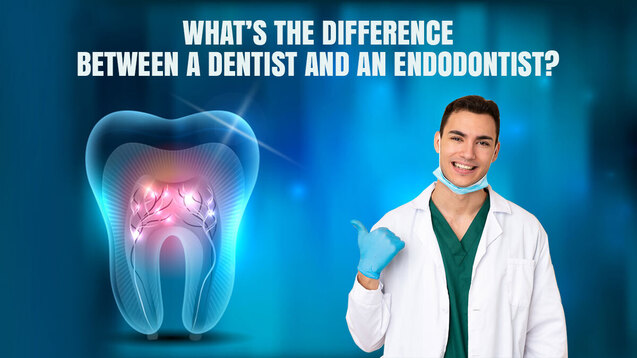
What’s the difference between a dentist and an endodontist?

Difference between a dentist and an endodontist

A dentist is one who will provide various dental treatments according to your needs like a filling, dental extraction, replacement of missing teeth, fluoride application and so on. An endodontist is a speciality dentist . An endodontist treats tooth pain. An Endodontist is a root canal expert.

An Endodontist

Endodontists are dentists that specialize in root canal therapy. They learn to treat teeth with sophisticated anatomy. Endodontists may conduct root canal treatments and retreatments to salvage a tooth that has gotten infected following a root canal.

Endodontists often perform:

After an unsuccessful root canal, an apicoectomy is a possibility. It includes removing the root tip to avoid infection. An endodontist does various procedures ranging from a simple root canal treatment to procedures like hemisection, radisection where a portion of teeth is surgically removed while other part of the tooth is preserved.

A General Dentist Versus an Endodontist

Dentists and endodontists have distinct roles, yet both may help maintain your mouth healthy. Dentists frequently spot abnormalities that need endodontic treatment.

An endodontist has extraordinary root canal experience than a dentist.There are well versed in root canal treatment . Hence in case you have an infected pulp it is better you visit an endodontist rather than a regular dentist.

Endodontists and dentists are vital in your oral health. For example, an endodontist may concentrate on preserving your teeth while an average dentist focuses on general oral hygiene.

Do I Need an Endodontist?

Dentists and endodontists collaborate to provide the most acceptable treatment. They both want to solve your issue and close your lips pain-free. Ensuring your dentist can handle significant dental disorders makes many people feel better.

As a result, your dentist generally refers you to an endodontist they know and trust. You may ask your dentist for recommendations or find one yourself.

Can I See an Endodontist?

Some endodontists do not need a referral, contrary to popular belief. If you are having a fractured tooth or a tooth with infected pulp ,going straight to an endodontist may save time. If you’re in a lot of pain or know what’s wrong with your tooth, you may move forward to the endodontist. They can start preserving teeth and alleviating discomfort right away.

Do Endodontists Charge More?

Endodontists have more excellent knowledge and training in root canals than regular dentists; hence they charge more. Endodontic therapy has a greater success rate than a root canal by a regular dentist. You pay for that ability and the most effective dental treatment possible.

When Should I See a Dentist or an Endodontist?

A general dentist will help you maintain proper oral hygiene , treat your regular dental problems and advise you on preventing further dental issues. In case of regular dental visit or oral issues like small cavities , missing teeth , cleaning your general dentist will help you out , when it comes to a tooth pain due to infected pulp , abscess, reinfected root canal treated teeth you will have to visit an endodontist.

Expert endodontic treatments.

We are using modern methods, such as an operating microscope, to speed processes and improve outcomes.

Five Dental Tips to Remember this Thanksgiving

Five Dental Tips to Remember this Thanksgiving

Apart from spending time with friends and family, the best thing about the holidays is all of the delicious food we get to consume. It is possible that these substantial, scrumptious meals could affect the way our clothes fit and that our all on four dental implants dental clinic near me health will suffer as a result. We’ve developed a list of essential dental principles that you should keep in mind as you prepare to celebrate with family and friends this Thanksgiving.

Snacking with Intention

It will be difficult to resist the temptation to munch throughout the day with trays of chocolates and sauces and much more laid out. Even if it’s your favourite Thanksgiving dip, you don’t have to miss out on all of the munchings completely. Make sure to pay attention to what you’re eating and how that might affect your teeth. When it comes to nutrients, nuts are a fantastic source, but if you’re not cautious, they may cause a tooth to break.

Keep an eye on what you consume.

It’s safe to say that one couple of glasses of wine isn’t going to do too much damage to your teeth. The issue stems from consuming many alcoholic beverages and sugary beverages throughout the day, which results in sugar being on your teeth for an extended period. There’s no need to refrain from enjoying your favourite drinks.

When You Can, Floss Your Teeth

When considering where on a day when you’re supposed to be enjoying spending time with family and friends, flossing or simply cleaning your teeth at various intervals throughout the day may seem weird, so be sure to drink lots of water! The sugar-free gum recommended may be chewed in-between snacks and meals. It will not only assist in the removal of food particles from between your teeth but will also provide you with the minty fresh breath that you’ll need while engaging in meaningful talks with your loved ones as well.

Vegetables should be plentiful.

As the most excellent dentists in Parker, CO, we won’t advise you to stay away from the potato dish and mom’s apple pie because you have a cavity. However, we highly advise you to eat enough veggies such as carrots, black beans, and other veggies high in fibre and minerals, such as spinach. The sugar content of these veggies is also lower than that of other vegetables, which is beneficial for your teeth.

Anything complicated might be a concern for your tooth, so be cautious while chewing or biting.

Make an appointment for a Finish of Year Checkup.

If it has been more than six months since your previous exam, contact our dental office in Parker, CO, to schedule an appointment with our dentist. Not only will this enable you to take advantage of any leftover dental health coverage, but it will also provide Dentists at Center For Implant Dentistry with the chance to address any concerns that may have arisen since your previous examination and treatment plan.

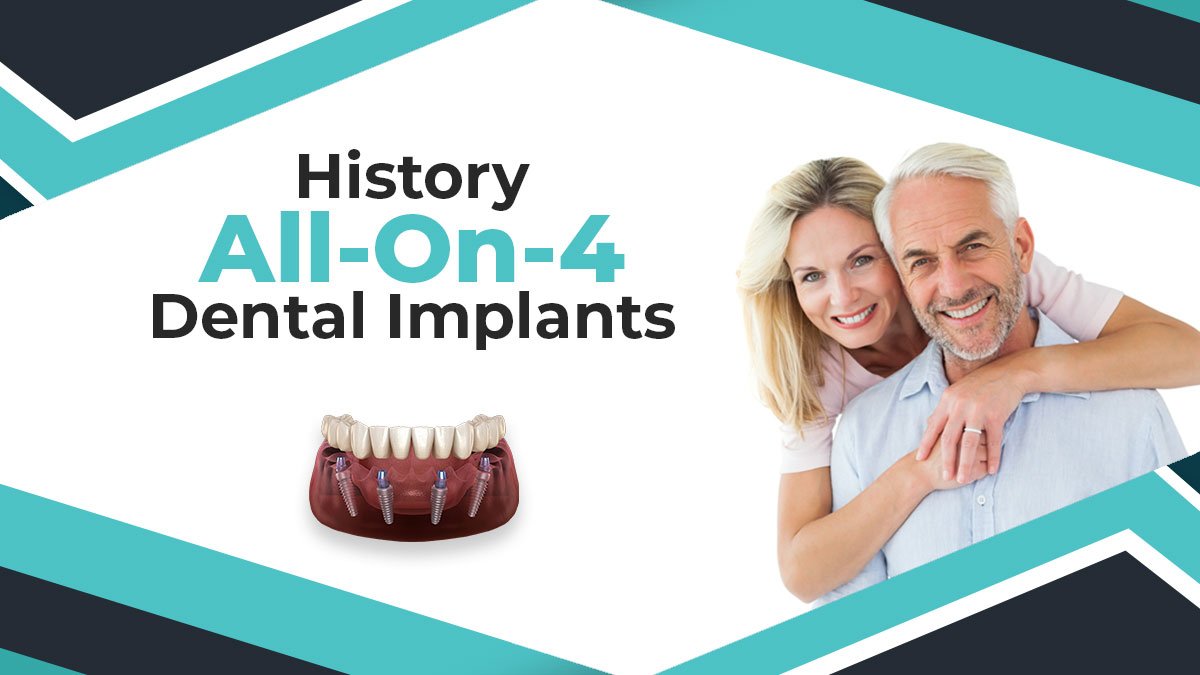
History all on four dental implants

History of all on four dental implants

Overview

Dental implants have been around for centuries, which may come as a surprise to you. The oldest dental implants date back to the year 600 A.D.

They have, nevertheless, progressed with time. If you’re thinking about obtaining a dental implant right now, you should be grateful: you’ll have a pain-free procedure. The majority of the initial methods, on the other hand, were primitive, painful, and occasionally fatal. Here’s a look at the history of dental implants and how they’ve changed over time.

Implants in Antiquity

Bamboo pegs were cut in China 4,000 years ago and used to repair lost teeth, which led to the invention of implants. These were affixed to the mouth’s bone. Around 2000 years later, the Egyptians began cutting valuable metals and pegging them onto the jawbone similarly. Archaeologists have also discovered several skulls with elephant ivory-made artificial and transplanted teeth.

Wilson Popenoe and his wife discovered the skull of a young woman in Honduras in 1931. Three lost teeth in her lower jaw had been replaced with shells. The shells were fashioned to resemble the teeth’ structure. Because there was bone development and calculus, these teeth were designed for function rather than looks.

Dental implants have become the go-to remedy for missing teeth because of advances in technology.

How Have Dental Implants Changed Over Time?

Researchers in the 18th century employed a mixture of gold and metal to manufacture dental implants. Sadly, these studies were a resounding failure, but they did pave the way for more fruitful survey in the future.

Dental specialists in the 1800s experimented with a variety of materials, including silver and porcelain. One doctor used a porcelain implant with a platinum disc. These efforts, however, were in vain since the bone rejected all of the elements used. A successful implant is permanently fused to the jawbone.

Many doctors experimented with various materials throughout the 1900s, but none of them yielded long-term results.

When Did Dental Implants Become Popular?

Dr. Per-Ingvar Branemark unintentionally discovered that titanium implants had a higher success rate in 1952, laying the groundwork for modern-day dental implants. He placed a titanium piece into the femur of a rabbit and could not remove it because the titanium had bonded with the bone.

He used titanium to replace a missing tooth in one of his patients after more testing, and it was a success. This was a huge step forward for the dental implant business. He went on to publish several papers demonstrating the advantages of titanium in dental implants. Dental implants have improved throughout time thanks to Dr. Per-Ingvar Branemark and are now what they are.

Present Day Implants

Titanium has been utilized to produce dental implants since its discovery by Dr. Per-Ingvar Branemark. On top of millions of other implants from newer firms, almost seven million implants from the Branemark System have been transplanted. Dental implants are still made of high-grade titanium and fashioned so that they can be securely attached to the jawbone. Despite the hazards, this is still the best and most successful method of implant placement.

DENTAL IMPLANT

Dental implants

What is a dental implant?

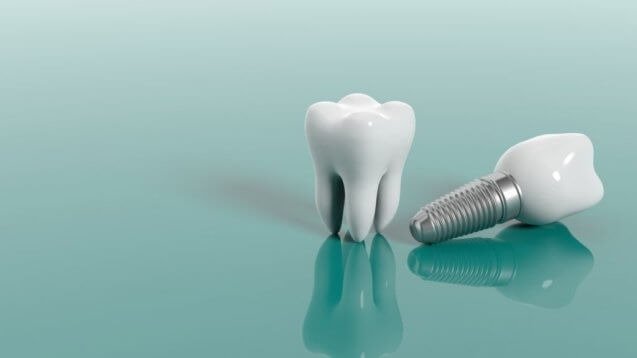
The dental implant is the most popular and is also the ideal solution for replacing missing teeth. You have definitely changed your dental course in the last quarter-century or so. A dental implant is a titanium strut that is surgically inserted into the jawbone below the gingival line to act as a root. Once inserted, the implant specialist attaches the crown to the implant to give it a natural tooth look.

Why dental implants?

The problem of tooth loss can be faced at any point in life. Tooth loss can result from trauma, accidents, severe periodontal disease, tooth decay, and poor oral hygiene. If left untreated, tooth loss can have a variety of consequences:

  • Language problems due to gaps created by one or more missing teeth.
  • Difficulty chewing.
  • Missing teeth can cause sagging muscles that cannot support the lips and cheeks, resulting in an old face, sunken cheeks, and wrinkles.
  • Pain in the facial muscles of the jaw leads to false bites caused by missing teeth.
  • Over time tooth decay and periodontal disease due to plaque build-up caused by tooth loss and food trapping in the crevices.
  • I was accidentally bitten because an adjacent tooth was tilted into an empty space due to a missing tooth.
  • Untreated, missing teeth can dent the appearance of the face, resulting in reduced self-esteem and lack of self-confidence.

Affordable Dental implants help overcome all of the above problems. They are arguably the best and most popular solution for missing teeth. Affordable Dental implants are suitable for people with missing teeth, regardless of age or gender.

Dental Implant Benefits

Dental Implants Help Repair Lost Teeth and Optimize for Natural Teeth Implants are a permanent solution that can survive in patients. Dental Implants Help maintains the shape and contour of the face and makes you smile. What may go wrong with missing teeth or loose facial muscles? Implants are healthy without damaging the structure of adjacent teeth. Protects Bone. Implants Guarantee Appearance and Comfort Without Treating Language Problems. Implants Increase Self-Respect with The Perfect Solution for Defects Teeth Implants. And don’t worry, with dental implant gives you the freedom to enjoy your favorite food.

How Much Does a Dental Implant Cost?

On the surface, dental implants look incredibly expensive, especially when compared to other denture methods. However, the two options, the prosthesis and the bridge, usually need to be repaired or replaced every 5-10 years. The cost of this regular maintenance can quickly outweigh the cost of simply using an implant that can last a lifetime (as long as it is properly cared for). It also prevents deterioration of the jawbone. Dentures and bridges do not deteriorate. Generally, the cost of the dental implant of an individual dental implant is $ 1,500 to $ 2,000 per implant. Not per procedure, but per implant. Some patients need only a single implant, while others need multiple implants due to the lack of some teeth.

Please note that this is only the cost of the dental implant itself. There are other costs, including:

  • Crown (the tooth itself)-This can be custom-made or stocked.
  • Abutment (the part that connects the implant to the crown).
  • The cost of tooth and root extraction.
  • The cost of an office visit.
  • Preoperative Care.
  • Aftercare

Benefits of All-On-4 Dental Implants!

Benefits of All-On-4 Dental Implants!

Have you lost your teeth and wondering what to do next?

Go with the permanent solution!

Yes, replace all of your teeth with the All-On-4 Dental Implant Technique. The All-On-4 Dental Implant is the most long-lasting, functional, and aesthetic restoration. All-On-4 Dental Implant is a surgical procedure in which the teeth being replaced are supported with four dental implants. This implant requires only four strategically positioned titanium implants on the top and the same at the bottom of the mouth. The titanium solution used in the implant has a unique characteristic of getting permanent which fuses to the surrounding living bones over the course of several months that feels like an absolute relief—this surgical procedure in dentistry is mainly referred to as prosthodontics. The prosthodontics procedure is carried out to fully rehabilitate the dental health of a patient who has broken down badly, teeth that have decayed, and teeth that become unhealthy due to some serious gum disease. The rehabilitation process is not a single-step process, and on the contrary, it can be done by several procedures such as dentate maxilla or edentulous. The process can also be performed through a prosthesis where the four implants are placed in the anterior maxilla in the region where the bone density is the highest. Prosthesis consisting of about ten to fourteen teeth is immediately placed on the four implants which support it. The placement of the prosthesis is usually done twenty-four hours after the implants have been fixed through surgery.

Let’s look into some of the benefits of All-On-4 Dental Implant.

All-On-4 Dental Implant is a much more convenient and affordable option compared to other tooth replacement options. Despite a couple of side effects, the benefits of All-On-4 Dental Implant have the edge over pros and cons.

I. No more frequent knock-knock in the dental clinic-

If you want to avoid regular sessions with the dentist, you must try All-On-4. You just need to visit the dentist once; in fact, spare a few hours, and you are done!

II. Pocket friendly-

All-On-4 Dental Implant is a much cheaper option than other tooth-replacement techniques. Instead of repeatedly paying for single teeth replacement, All-On-4is a one-time solution that provides permanent relief at a reduced cost.

III. Avoid Bone grafting

You can avoid Bone Grafting in All-On-4 Dental Implant. A bone graft is usually necessary when the underlying jaw bone of the dental patient is weak or insufficient to support a dental implant. It’s not obligatory while undergoing All-On-Four Dental Implant Surgery.

IV. A Full Set at once

What’s more impressive than getting a complete set of teeth in just one surgical procedure? Yes, and that’s how the All-On-4 impresses us. It’s the most efficient implant surgery, which has the advantage of getting completed at a go.

Apart from these benefits, All-On-4 Dental Implant has some more advantages while comparing it to other ventures, such as –

  • Next to no recovery time
  • Trouble-free maintenance
  • Not staying away from food
  • Aesthetic appearance
  • Permanent solution
  • You can typically return to your work from the next day

An all-On-4 dental implant is undoubtedly a magical way to restore the smile on your face. To know more about the entire process, feel free to contact us!

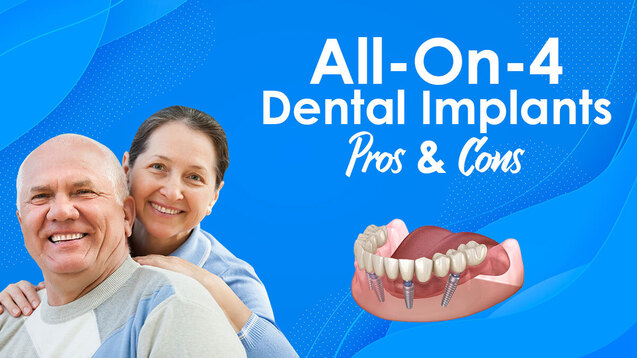
All On 4 Dental Implants Pros & Cons

All On 4 Dental Implants Pros & Cons

Overview

All-on-4 is a treatment that is utilized as an alternative to regular dentures. An entire arch of teeth in the top or bottom of your mouth can be replaced with this procedure. Dentists can use four properly placed dental implants to attach prosthetic teeth. The implants are first put in the jawbone, replacing the natural tooth root.

Unlike standard dental implants, which require a separate screw for each tooth, the All-on-4 dental implants method uses only four screws to secure a complete top or bottom row of teeth. Furthermore, unlike regular dentures, All-on-4 dental implants are not detachable.

Pros and cons of getting an All-on-four dental implant

All-on-4 dental implants have risen in popularity in recent years as a result of benefits such as:

  • After just one visit, the patient receives a new grin: The implants and prosthetic teeth are inserted simultaneously during the All-on-4 implant procedure. This means that a patient who came in missing most of their teeth will leave with a complete set of teeth.
  • It saves money for the patient: The cost of replacing a whole set of lost teeth with implants is prohibitively expensive for most people. Those who might otherwise be forced to settle for dentures can now have a permanent, more pleasant solution to their missing teeth problem with All-on-4.
  • There is only one visit for treatment, which means the patient will spend less time traveling to and from the clinic and will not miss work or school. Implants are placed deep in the jaw, providing a more secure foundation for the prosthetic teeth and lowering the risk of implant failure.

The following are some of the drawbacks of All-on-4 implants

  • For the first two weeks after surgery, the patient must follow a liquid diet. After the first two weeks, infants can progress to semi-solid foods, but they must continue to do so for up to six months while the implant integrates with bone tissue.
  • Because of the high bite forces, all-on-4 implants cannot be placed in the back of the mouth. To ensure a secure basis, the prosthetic must be implanted deeply.

The advantages outnumber the disadvantages.

If you are missing most of your natural teeth, all-on-4 dental implants are one of the greatest solutions accessible to you. Visit Center For Implant Dentistry to learn more about the process and to begin treatment.

What Happens When You Get All-On-4 Dental Implants?

You will meet with a dentist or oral surgeon for an initial consultation to see if you are a candidate for the All-on-5 procedure. Traditional dental implants may be recommended for patients missing only a few teeth and have healthy remaining teeth. Most of the time, the implants are inserted, and the prosthetic teeth are attached simultaneously. The procedure is usually performed under local or general anesthesia. The dentist will first remove any residual rotting teeth and infected gum tissue to prepare your jaw for the implants. They will next put two screws in the front and two screws in the back of the mouth. The prosthetic teeth have a sturdy basis thanks to these screws. Most dentists use titanium screws to replace the primary tooth’s root, which fuses to the bone over time. Finally, the dentist screws in the entire arch of acrylic or porcelain prosthetic teeth.

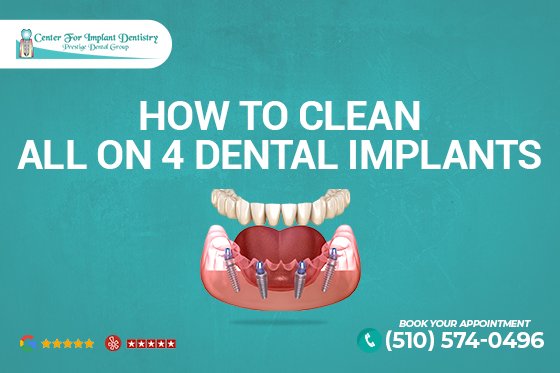
All On 4 Dental Implants-How to clean it?

Dental Implants

Introduction

If you have a dental problem, most likely with your teeth or dentures, it was almost certainly caused by poor oral hygiene. At the Center for Implant Dentistry, we’ve seen a wide range of oral issues resulting from poor oral or dental hygiene. The majority of the patients who visit us are confused about caring for their implants or dentures properly.

We will provide you a complete guide that means a step-by-step guide on how to clean your all-on-four dental implants. For patients who are missing teeth, all-on-four dental implants have shown to be a fantastic option. All-on-four dental implants are a set of four implants strategically placed in your jaw to support an entire arch denture.

Why Do I Need to Do an All on 4 Dental Implants Cleaning?

Cleaning all four dental implants, just like natural teeth, guarantees that you can maintain your teeth or dentures for as long as feasible. Typically, food material on or under the dentures decomposes after meals due to bacterial action. If you do not make it a habit to brush your teeth regularly, bacteria will grow and cause damage to your dental implants. Implant dentures that are kept clean will last a lifetime. Failure to clean your dental implants might result in implant failures due to periimplantitis, an infection caused due to poor oral hygiene, and ill-fitting dentures.

Cleaning All on 4 Dental Implants

Do you have temporarily fixed bridges or all-on-four dental implants for the long term? Do you want to know the best approach to clean your all-on-four dental implants? Implanted teeth, like natural teeth, are susceptible to bacterial deterioration and infections. You may have heard the term “brush your teeth after every meal” as a child. Well, this is still one of the most basic strategies to maintain good dental hygiene. After each meal, cleaning the mouth or the oral cavity and especially around the implants guarantees that the debris from the implants is dislodged before it sticks to your dentures and becomes a bacterial breeding ground.

The Process of Cleaning All on 4 Dental Implants

Cleaning all four dental implants necessitates a methodical and meticulous approach. A well-defined procedure will ensure that dental implants are thoroughly cleaned, and implant dentures are clean. This treatment entails cleaning your dental bridge, cleaning your full arch dental implants, and ensuring that the inside surface of your mouth is free of food particles that could cause complications with your dental implants later on. Cleaning all four dental implants is a simple process that can help you maintain good oral health.

Step 1: Remove Food Materials on Your Teeth

Use a soft toothbrush to remove larger chunks of food stuck on your bridge, dentures, or implants. When removing food lodged between the teeth or in other dental fissures, an interdental brush or floss comes in handy.

Step 2: Use Super Floss with Implants

Floss can be used to remove food particles from under the bridge and between the teeth. Floss is helpful because of its flexibility and ability to reach areas where a toothpick or brush would be unable to. Once a day is the minimum suggested frequency. However, you will see better and longer-lasting results if you use it more frequently. Make sure you floss your implant restored teeth and your fixed dentures before going to bed. Food debris left out while cleaning can attract bacteria at night, especially when there is less saliva to absorb and wash away the waste.

Step 3: Clean the Surface of Your Tongue

If you brush your dental implants but leave food residue on your tongue, the cleaning isn’t as thorough as it should be. To keep your full arch dental implants safe, you’ll need to clean your mouth thoroughly. As a result, brush the upper surface of your tongue in the same way that you brush dental implants.

Step 4: Rigorous Cleaning

The next step is to wash your teeth thoroughly with a gentle brush. During this process, keep your brushing to the area surrounding the dentures and near to the gums. Dentures should be cleaned using a standard brush. Investing in an electric toothbrush, on the other hand, is a terrific idea because they are more effective than traditional brushes. Electric toothbrushes are more effective than ordinary toothbrushes and reduce brushing time by several times. It is recommended that you brush your teeth with non-abrasive toothpaste. This is critical, especially if the teeth on your bridge are made of acrylic.

Step 5: Mouthwash

An easy but very effective way to maintain your hygiene which should be done in conjunction with the above-said practices is regular use of antibacterial mouthwash is also recommended to reduce the microbial accumulation around your implants and your fixed denture replacements. apart from keeping the oral microbiome at bay mouthwash also gives you a good and refreshing breath.

The month of September is designated as National Gum Care Month.

September is National Gum Care Month

Introduction

Everyone desires dazzling white smiles. but the supporting systems beneath the teeth, such as gums and bones, are probably even more important than the teeth themselves.

To commemorate National Gum Care Month, I’ll go over more about gum health and how you may maintain a healthy smile for the rest of your life. The dentist and hygienist will examine your gums when you come in for your routine dental exam and cleaning. Periodontal therapy may be advised if your gums are particularly irritated or if you have a lot of tartar buildup.

What is periodontal therapy, and how does it work?

Periodontal therapy, also known as deep cleaning or root planing is a treatment that involves mechanical debridement of plaque and calculus down to the root of the affected tooth and smoothens out the rough areas on the root surface to prevent future consequences. To further clean and disinfect the gum tissues, liquid antibiotics and a specific diode laser application are utilized. This procedure may necessitate several visits to finish the treatment. It is more thorough than regular cleaning and is intended to cure gum disease and prevent it from worsening.

What’s the difference between regular teeth cleaning and periodontal therapy?

Regular brushing and flossing twice a day is highly recommended since your mouth is full of bacteria and plaque. Routine cleanings aid in the removal of plaque that accumulates on your teeth over time. The majority of plaque is situated near or below the gum line, where we often overlook it.

If plaque is not removed, it hardens into tartar in a short time, which must be removed by a dental professional. Your gums may display signs of gingivitis – red, swollen gums that bleed easily when touched – if routine hygiene is not maintained or if you have a genetic predisposition to gum disease. If left untreated, this may lead to periodontal disease, an inflammation of the gums and bones that support your teeth that can lead to tooth loss. X-rays and pocket depth readings are used to determine whether or not an infection is present. Interceptive gum therapy is indicated when there is evidence of this infection to prevent disease progression.

Comparing routine teeth cleaning with periodontal therapy is almost like comparing apples and oranges because they’re designed to achieve completely different things. The purpose of regular cleaning is preventative maintenance, while the goal of periodontal therapy is to stop periodontal disease progression.

Is periodontal therapy vital for me?

The dental hygienist will be able to confirm this for you. If you have multiple pockets (4 mm or more) when you visit the dentist, you are at risk for (or in the early stages of) periodontal disease. In which case you have to consider undergoing periodontal therapy. If not treated, the bacteria that caused the pockets in your gums will continue to cause plaque, tartar, and further bone loss.

Conclusion:

You’re not alone if you’ve been told you need deep teeth cleaning. Gum disease affects over half of adult Americans, according to the American Academy of Periodontology. Still not persuaded? More and more research demonstrates a direct correlation between gum disease progression and the onset of more severe heart disease, diabetes, dementia, and others. In the end, if your dentist or hygienist recommends periodontal therapy to address periodontal disease, you owe it to your overall health to follow through. We strongly advise you to arrange an appointment with us right away.

Do you know someone who truly needs a dentist? We’d be delighted to assist. On our website, you can schedule an appointment.

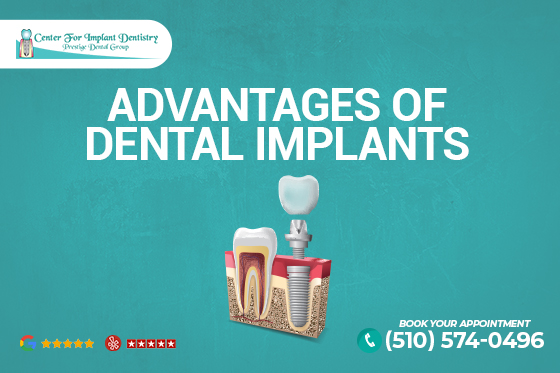
ADVANTAGES OF DENTAL IMPLANT

ADVANTAGES OF DENTAL IMPLANT

Introduction

One of the therapies for replacing missing teeth is a dental implant. It has become a standard therapeutic option in dentistry for the treatment of whole and partial edentulism. Dental implants have several advantages over standard fixed partial dentures.

A dental implant is an alloplastic structure that is inserted into the oral tissues beneath the mucosa and/or periosteum, as well as within or through the bone, to provide retention as well as support for either a permanent or removable dental prosthesis.

What is Dental Implant?

Per-Ingvar Branemark a Swedish orthopedics physician, pioneered dental implants as we knew them today, in 1952. They are now regarded as the gold standard in dentistry for the prosthetic repair of missing teeth. A dental implant is a surgical device inserted into the jawbone and allows the bone to integrate with it over time. A dental implant is a prosthetic tooth root used to replace the root of a lost tooth. This “artificial tooth root” then holds a new tooth or bridge in place.

Is it suitable for all?

Not all patients can be treated as suitable candidates for immediate implants. So, simply because you choose a shorter treatment line, your dentist will not insert instant implants. Initially, the dentist will perform a few important x rays and scans to first determine the quality of your bone. So if you have a chronic ailment or having issues like poor oral hygiene, you may not be considered a good candidate for immediate dental implants.

Let’s count the Benefits of Dental Implants

Any kind of dental treatment comes with a satisfying long list of advantages. Here we have listed some of the benefits of immediate dental implants.

It’s less time-consuming.

The complete process of dental implants can be placed in just a single visit. Everything starting from implant placement through crown placement is done in one session. This significantly cut down the inconvenience of being toothless or uncomfortable for an extended period.

It prevents your face from changing shape.

Your teeth and the surrounding bone provides the facial form and structure. when you lose a tooth, there is the subsequent loss of underlying bone and thereby the facial support is lost. dental implants aids in the retention of bone structure and density, thereby maintaining your facial aesthetics.

Allows for natural speech

Some tooth replacement solutions, such as dentures, can affect your ability to correctly enunciate words. Missing teeth can also affect your ability to communicate. Dental implants allow you to talk freely and naturally since they feel and function like natural teeth.
Easy maintenance

Dental implants look and function like natural teeth. Hence their maintenance is also quite simple. It requires normal oral hygiene practices like proper brushing, flossing, use of mouthwash. Thus you don’t need to stress the maintenance of dental implants.

Conclusion

Without question, implant dentistry has increased the number of treatment choices available for replacing single and numerous lost teeth with long-term stability and contributing to better oral health.

Dental implants, it’s become one of the popular tooth replacement options because they are conservative and predictable, with success rates approaching 98 percent.

ADVANTAGES OF DENTAL IMPLANT

Introduction

One of the therapies for replacing missing teeth is a dental implant. It has become a standard therapeutic option in dentistry for the treatment of whole and partial edentulism. Dental implants have several advantages over standard fixed partial dentures.

A dental implant is an alloplastic structure that is inserted into the oral tissues beneath the mucosa and/or periosteum, as well as within or through the bone, to provide retention as well as support for either a permanent or removable dental prosthesis.

What is Dental Implant?

Per-Ingvar Branemark a Swedish orthopedics physician, pioneered dental implants as we knew them today, in 1952. They are now regarded as the gold standard in dentistry for the prosthetic repair of missing teeth. A dental implant is a surgical device inserted into the jawbone and allows the bone to integrate with it over time. A dental implant is a prosthetic tooth root used to replace the root of a lost tooth. This “artificial tooth root” then holds a new tooth or bridge in place.

Is it suitable for all?

Not all patients can be treated as suitable candidates for immediate implants. So, simply because you choose a shorter treatment line, your dentist will not insert instant implants. Initially, the dentist will perform a few important x rays and scans to first determine the quality of your bone. So if you have a chronic ailment or having issues like poor oral hygiene, you may not be considered a good candidate for immediate dental implants.

Let’s count the Benefits of Dental Implants

Any kind of dental treatment comes with a satisfying long list of advantages. Here we have listed some of the benefits of immediate dental implants.

It’s less time-consuming.

The complete process of dental implants can be placed in just a single visit. Everything starting from implant placement through crown placement is done in one session. This significantly cut down the inconvenience of being toothless or uncomfortable for an extended period.

It prevents your face from changing shape.

Your teeth and the surrounding bone provides the facial form and structure. when you lose a tooth, there is the subsequent loss of underlying bone and thereby the facial support is lost. dental implants aids in the retention of bone structure and density, thereby maintaining your facial aesthetics.

Allows for natural speech

Some tooth replacement solutions, such as dentures, can affect your ability to correctly enunciate words. Missing teeth can also affect your ability to communicate. Dental implants allow you to talk freely and naturally since they feel and function like natural teeth.
Easy maintenance

Dental implants look and function like natural teeth. Hence their maintenance is also quite simple. It requires normal oral hygiene practices like proper brushing, flossing, use of mouthwash. Thus you don’t need to stress the maintenance of dental implants.

Conclusion

Without question, implant dentistry has increased the number of treatment choices available for replacing single and numerous lost teeth with long-term stability and contributing to better oral health.

Dental implants, it’s become one of the popular tooth replacement options because they are conservative and predictable, with success rates approaching 98 percent.