WHEN IS ALL-ON-4 THE BEST OPTION?

all-on-4-dental-implants-1

all-on-4-dental-implants-1

Dental implant treatment has guidelines, and they are not rules. So, this is the main reason why I love dental implants. The clinician or the dentist must have a broad understanding of their patient’s unique factors and then start the best treatment plan for that individual patient. The most appearing implant case can be impacted by factors such as parafunction, occlusion, periodontal disease, the space size to be restored, and the patient’s budget.

It is much more important for them to analyze these factors and listen to their patients, and work for their priority by offering the treatment plans. Although these treatments must be considered for the patients who fully lack the teeth as well, for purposes of this article, I would like to address the cases only for patients who have most of their teeth and those who are seriously considering removal of the teeth for implant treatment.

So, whom all do you think need All-on-4 dental implants? A dental implant is a tooth replacement, which is permanently attached to the patient’s jawbone, which is never removed. In this process, a small titanium post is surgically placed in the bone, and they are allowed to heal on their own. During the recovery of this process, this orthodontic anchor fuses with the bone. An abutment, which is called a connector, is then attached to the anchor, and an artificial tooth or crown is then placed on the top. This prosthetic tooth is made up of porcelain, ceramic, or metal alloy. The dental implant includes single-tooth implant, multiple-tooth implant, All-on-4 dental implants, implant-supported dentures.    

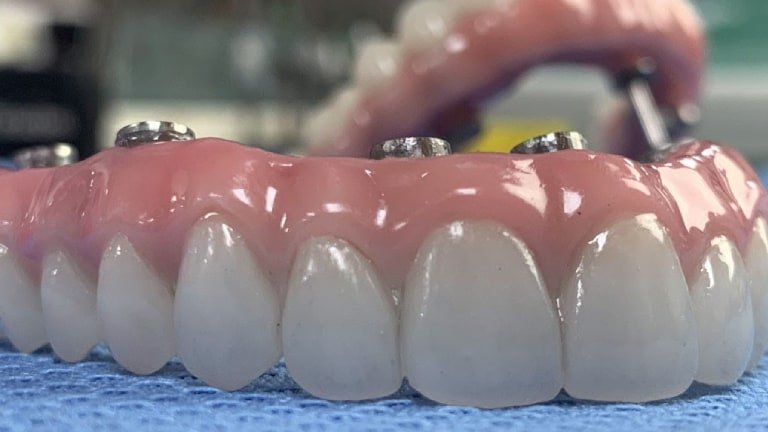
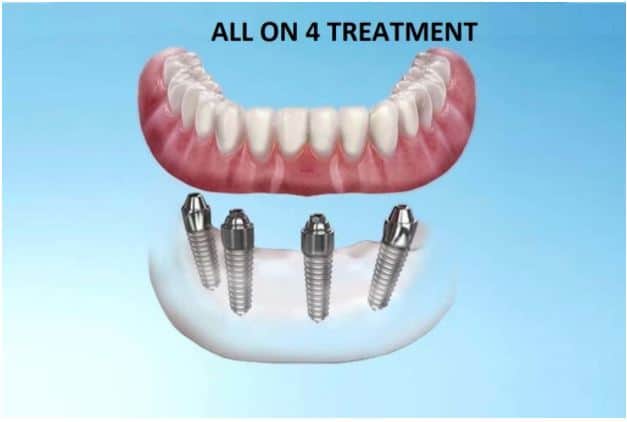
A full-arch fixed bridge is also known as All-on-4, which takes the dental field by storm. And these bridges are supported by four to six implants, which are fabricated from the materials such as monolithic zirconia, acrylic fused to titanium, and porcelain stacked to a cobalt-chromium frame. Usually presented with package pricing, and some practices promote All-on-4 as the best treatment for their soon-to-be-edentulous patients.

I would like to thank the aggressive marketing by the companies such as ClearChoice and the extensive information present on the internet. The patients are more aware than ever of the benefits of All-on-4 bridges. The truth is that five to ten years before, the people weren’t aware that All-on-4 bridges existed. But, today, it is a very common practice for patient’s to specifically request this treatment. It is always in the patient’s best interests, right?

These are the five factors that are regular dental implant practice:

  • Speech issues
  • Difficulty adapting to bridge thickness
  • Proprioception
  • Parafunction
  • High caries index

And now, let us see these factors in detail, one by one, and see how much the treatment affects.

SPEECH ISSUES:

           This is regarded as the major concern for the patients. However a minor speech flaw can become an overwhelming concern. Both vertical and horizontal bulks are required for the implant-supported bridges for their strength. Vertical bulk needs a variety of different restorative materials, but bridges only require 15 mm or more height. So, the clinicians are forced to replace just the volume of the missing teeth to achieve these measurements. We must replace the bone and soft tissue even if they are healthy. The reason is that the portion of the bridge adjacent to the soft tissue is bulkier than the original bone and soft tissue volume that is being replaced. This can have an impact on speech sounds such as “D,” “T,” and “N”. As to pronounce these the tongue contacts the hard palate lingual to the central incisors to form the sound. As same as, the posterior can affect the “S” sound, where the lateral borders of the tongue flare upon making the sound, which may result in slurring. 

The patients must be made aware of this compromise. They can retrain their tongues with time and practice. If speech is the major concern for the patients for the treatment, then the clinician must be prepared with another kind of treatment, such as saving the healthier teeth and replacing the missing teeth with very short-span bridges or individual dental implants if the tooth is found to be terminal, a bridge that only replaces the missing tooth structure and is the only option. This will require more implants, bone grafting, and expensive prosthetics, so the patients are prepared for the additional treatment time and cost. 

DIFFICULTY ADAPTING TO BRIDGE BULK:

           In addition to bridge bulk affecting speech, there is another downside for it. It is very difficult for patients to adopt psychology. They are used to feel the transition from their soft tissue to their teeth. In this, the patients can feel the real soft tissue and duplicate soft tissue (the tissue of the bridge). This can be a big problem for some of the patients, and they think that it is all because of the surgery done, when the ridge has been reduced. The patients cannot be brought back to that natural-feeling transition. 

We should always have a detailed explanation and conversation about this compromise they will experience before finalizing the treatment plan to prevent surprises and showing your patients with an All-on-4 model and then a model of a traditional bridge. If the bulk is the problem for them, then they should consider options that only replace tooth volume. 

Because of the reduced bulk restorations, in both vertical and horizontal, more implants likely will be required to support the bridge to reduce pontic spans and the risk of fracture. Distal cantilevers may need to be shortened. The implants were placed more posteriorly, which could result in the need for grating. Due to lower cost and reduced treatment time, patients may choose the traditional All-on-4 bridge after consultation. In more cases, patients are more likely to agree with any compromises when they have options to choose from and know about any limitations before the treatment. 

PROPRIOCEPTION:

           Its value is overlooked when recommending dual-arch treatments. Periodontal mechanoreceptors (PMRs), which are present in the periodontal ligament, make your teeth sensitive to low forces. A dental ligament does not have any periodontal ligament, and it takes 10 times more force to register the same proprioception as a tooth. It is associated with a dental implant that is similar to the tooth affected by local anesthesia. Patients feel difficulty in recognizing premature or excessive occlusal contacts. Because of the lack of feedback, they generate excessive biting forces. Patients with dual-arch are more likely to bite excessively than patients with the remaining teeth. Results in the fractures of the restoration or bone loss. With refined motor movements, chewing efficiency is well increased. With dual-arch implants, less refined movements result in poorer chewing efficiency, and great stress, and implants due to angled forces. 

PARAFUNCTION:

           Parafunctional habits-such as bruxism, clenching, and irregular chewing cycles, impact your treatment decision. Teeth can detect forces, readily than implants. In the treatment, naturally saved teeth may enable patients to sense the parafunction better. This will increase the chances of them by modifying the negative behavior. 

Suppose it is necessary to replace all of your teeth when parafunction is present; you just want to consider recommending a bar-supported overdenture. This is a technical procedure, but it may be modified from your patient’s visions of fixed bridges. The overdenture can be removed in the night and can be replaced with a flat-planed night guard, protects the final prosthesis, and reduces strain on the supporting implants and bone. 

HIGH CARIES INDEX:

           All-too-common scenario, in which a patient presents with a full upper denture, maybe even an upper All-on-4, and decayed and missing lower teeth. If the bicuspids and canines have minimal mobility and are mostly intact, then I would consider saving the tooth. The risk of developing further periodontal disease is likely less than the risk of fracturing the prosthesis or damaging the implant or bone complex due to overly aggressive chewing or parafunction. 

Let us take another scenario, except five of the six bicuspids and canines have class V decay, four have interproximal decay, and the teeth are covered in plaque. The cavities present aren’t that big, which can be fixed, but how do you feel about the future prognosis? The patients are said to increase their home care, visit the dentist more frequently, and significantly reduce their sugar intake. The Risk of losing the teeth to decay in the no-too-distant future likely exceeds the risk of prosthesis fracture or loss of bone. So, here the best treatment for this patient is an All-on-4 bar overdenture. Apart from the ability to reduce stress, this treatment will accommodate a simplified oral hygiene protocol. You just want to enquire more of time with this kind of patient before the final treatment decision. 

FEW BENEFITS OF ALL-ON-4 DENTAL IMPLANTS:

  • “Look better, feel better.” Missing teeth replaced and having a smile on your face, and able to speak properly. When you look and feel better, you increase your level of confidence in yourself. 
  • “Convenience.” These dental implants are permanent in your lifetime. They don’t require any removal for cleaning like dentures, and there are non-messy adhesives to deal with.
  • “Improving your oral health.” Missing teeth are bad for gums and bones, but implants can keep them healthy. 
  • “Eat better.” With the restored chewing ability, you can eat whatever you love to eat.
  • “They last a long time.” Most of them are made up of titanium and are quite durable, and most of the implants last a lifetime with proper care. 

We really feel blessed to have these implants in our armamentarium as options for replacing the missing teeth. In the past days, the patients seemed to be very happy, just able to chew again, and they were appreciative. Nowadays, patients seem less stressed by the awkward feel of All-on-4 bridges and of the amount of time the procedure takes. I suspect this trend will continue as they become even more educated about their options. 

Overcoming Dental Anxiety

Dental anxiety, or dental fear, is estimated to affect approximately 36% of the population, with a further 12% suffering from extreme dental fear [1]. For many people, dental anxiety is disturbing but not disabling. Some are so terrorized at the thought of going to the dentist that they avoid the experience altogether–until the reality of an aching tooth or infection makes a visit unavoidable. 

Patients that have had bad experiences at the dentist, from a harsh doctor to embarrassment of their neglected teeth, may avoid the dentist making their existing problems even worse. 

Strategies to combat anxiety and have been reported to ease the dread of the dental office include deep breathing, progressive muscle relaxation, imagery, and challenging irrational thoughts.

We’ve collected some data and resources from experts and patients that have anxiety to encourage you if all of this sounds familiar. 

Harvard Health Publishing reached out to its readers to see what coping mechanisms work for them: 

“I listen with a headset to laugh-aloud funny books or podcasts when I am in the waiting room and in the dental chair. I try not to get to the appointment too early, as sitting in the waiting room can increase my anxiety. And while waiting, I practice relaxation breathing.” — Suzanne 

“I bring my iPod and play nice soothing music, or a book on MP3.” — Heather 

Use these 4 methods to combat your anxiety:

source

1. Speak up 

Anyone with anxiety knows sharing your feelings makes a world of difference. If you’re tense or anxious, do yourself a favor and get your concerns off your chest. Your dentist and dental team are better able to treat you if they know your needs. 

  • Tell your dentist about your anxiety. When you book your appointment, tell the receptionist you’re nervous about dental visits. Remind the dentist and dental staff about your anxiety when you arrive. Share any bad experiences you may have had in the past, and ask for suggestions on coping strategies. 
  • Don’t be afraid to ask questions. Sometimes knowing what is going to happen alleviates any fears of the unknown. 
  • Agree on a signal. Let your dentist know by raising your hand if you need to take a break during an exam. 
  • If you experience pain even with a local anesthetic, tell your dentist. Some patients get embarrassed about their pain tolerance or don’t want to interrupt a dentist during a procedure. Talk with your dentist about pain before it starts so your dentist knows how to communicate with you and make it more comfortable. 

2. Distract yourself 

Taking your mind off the exam may seem impossible when you’re nervous, but there are some things that can help distract your thoughts:

  • Wear headphones. If the sound of the drill bothers you, bring headphones so you can listen to your favorite music or audiobook. Some dental offices even have televisions or show DVDs. 
  • Occupy your hands by squeezing a stress ball or playing with a small handheld object, like a fidget spinner. 
  • Imagine your happy place and visualize yourself at a relaxing beach or garden. 

3. Use mindfulness techniques 

Relaxation starts in the mind. Try deep breathing exercises to help relax tension in your muscles. 

  • Count your breaths. Inhale slowly and then exhale for the same number of counts. Do this five times while you’re waiting for your appointment, or during breaks while you’re sitting in the dental chair. 
  • Do a body scan. Concentrate on relaxing your muscles, one body part at a time. Start with your head and work your way down to your toes. For example, you can focus on releasing tension starting in your forehead, then your cheeks, your neck and down the rest of your body. 

4. There are several ways that your dentist can help reduce your anxiety with medications through different levels of sedation. 

Your dentist may prescribe anti-anxiety drugs, such as diazepam (Valium), that you can take one hour before a scheduled dental visit. Your dentist may also recommend conscious sedation. You will still have control over your bodily functions, and this medication is applied only during the procedure. Lastly, general anesthesia, which puts you into a deep sleep, may be recommended for more invasive surgeries of the jaw, or for those with special needs or severe anxiety that prevents routine care from being possible. Some of these options may not be advised depending on your medical health, so be sure to tell your dentist about your health conditions and medications. 

Ultimately, managing your dental anxiety will involve a combination of the above options. Talk with your dentist and explain exactly what makes you nervous about the visit. Your dentist will do a careful review of your medical history in order to make safe recommendations while considering your overall health. And lastly, visit your dentist regularly even if you are not in dental pain. This is the best way to prevent painful experiences and more complex and costly procedures! 

Top 9 Factors That Affect The Cost of All On 4 Dental Implants

Here at Center For Implant Dentistry it’s common for people to come in for a free consult, get a free 3D CT scan and be discouraged at the price. When it comes to investing in yourself and your teeth that help feed you and keep you healthy we don’t cut any corners or sacrifice any quality. We believe it’s worth every penny and try to help our patients receive the best and most affordable care for them as much as possible. Why are All On 4 Implants so expensive? Check out these 9 factors that tell you why:  

  1. Geographic Location
  • If you’re looking to get implants where the cost of living is higher, most likely the cost of any dental treatment is going to be higher. 
  • Geographically if you’re in an area where there are more dentists, the cost is going to be much cheaper.
  • Generally the cost can vary anywhere between $40,000 – $60,000 for both upper and lower arches just based on the location of treatment and procedure alone.  
  1. One Provider vs. Two 
  •  What you’ll find at most dental offices is that traditionally there is a surgeon that does the surgery which is Phase 1. Phase 2 is where a general dentist or a prosthodontist does the restorative work such as building your final implants.
  •  The ideal scenario is finding a doctor that is responsible for the whole job from start to finish. From the initial consultation to the making of the teeth to final implant placement, it’s all done under one roof.   
  • Ideally you want to find a dentist that specializes and has experience placing dental implants, and has been trained in the making of the teeth and best case scenario even has lab technicians on site. 
  • The ultimate top proven results come from one doctor that has a lab who 

has control over all of these aspects otherwise you could end up waiting months for your teeth to come and even more time waiting if they aren’t made correctly the first time. Labs like this are more likely to offer a warranty so you are guaranteed repairs if needed.   

  1. Doctor Experience Level 
  • It’s not that most dentists don’t have the general knowledge of dental implants, but it’s the level of experience that counts the most. You want to put your trust in a doctor that has taken the time to be technically trained and has taken the time to learn and do All On 4 full mouth implants.
  1. Number and Types of Implants
  • Each patient and their needs are unique. It’s difficult to say how many implants or what kind of implants you need unless you are seen by a doctor. Typically you need to have a 3D scan taken so the doctors can see how your mouth moves, what your parameters are, if you have any bone loss from dentures or anything else they might need to know to give you a precise number of the cost of your new teeth. 
  1. Types Of Devices Used
  • The number one reason why people look for implants is cosmetic reasons, second is they want to be able to chew and eat their favorite foods again, third is that they are in pain and lastly is they are just tired of spending money on dentistry over and over! 
  • From cheapest material to more expensive you have an acrylic bridge that is mostly or all acrylic. The next up is resin, used to make a bar to go under the teeth sometimes called Trinia, or a fiberglass material. Up from that you have Trilor or Pekkton substructures that can take the place of these cheaper materials. Titanium is the preferred substructure of most practices and wins for durability and wear. Next we go up to a Zirconia substructure, but we shy away from this because it is very rigid and hard and easily breaks or deteriorates over time. The most beneficial trend which moves away from rigid and rock hard structures is a polymer made teeth with a titanium bar that screws into the implants.  
  1. Anesthesia Level Chosen 
  • Generally you’ll have 3 choices for anesthesia. If you don’t mind being 100% awake, your first option is local anesthesia that will numb your mouth so you won’t feel a pinch. Leveling up you have the option of IV or oral sedation, which is the most popular option recommended for patients with high anxiety and it should help you relax and ease into a “sleep state” or “dream state” and can feel like you are floating on clouds. Because surgery can be over 4 hoursin some cases, this is what is recommended for most patients. General anesthesia would be your most expensive option, putting you 100% asleep and starting at a jaw dropping (pun intended) 5 grand. A 3rd person, a medical anesthesiologist, would be needed to be brought to the office to administer this kind of sedation.      
  1. Patient Risk Factors 
  • Risks of All on Four implants can be high in patients that are smokers, diabetic (uncontrolled) or someone generally unhealthy. For those that struggle with hygiene, doctors properly analyze the likelihood of the patient being able to heal properly after the procedure. If it’s an easy case with less risk involved it will most likely not affect the price too much.   
  1. Advanced Techniques
  • Advanced techniques are protocol for high risk patients. An example that isn’t uncommon is what’s called a sinus lift or sinus grafting for implants. Sometimes a patient’s bone structure puts them as a candidate for this if their sinuses are too big and don’t allow room for proper implant placement. This is a time consuming procedure and the cost is adjusted to accommodate that.  
  1. Time Frame 
  • It’s not abnormal that this process from start to finish could take 6 months to 1 year at most practices. You could find a more advanced office that could take a little less time such as a week or a few days. Since most offices don’t have their own lab you will have to go back and forth as they adjust your new teeth and place temporary teeth while you wait. 
  • This is why it’s stressed you find implantologists that are experts in what they do and that are involved in every step of the way.  

Cost Breakdown:

  • We get it, you just want to know how much it’s really going to cost for All on 4 dental Implants. With all these cost factors in play you’re looking at the cheapest from $15,000 per arch which is ideal for low-risk patients who maybe already have dentures. For patients that are looking for a full upgrade with customized gum color or you have health risks or a high smile line that needs to be adjusted you are looking at $20,000 to $25,000 per arch.

Wisdom teeth removal: A complete guide on the procedure and tips to recovery

Wisdom tooth removal

Wisdom teeth removal has become common among teens and young adults. These pesky molars are not only painful and discomforting for many, but they also hamper the aesthetic appearance of your smile. 

Are you considering the removal of wisdom teeth near me? If yes, keep yourself well informed with this blog’s help regarding the procedure, problems and steps to recover from it. 

What are wisdom teeth?

Wisdom teeth, also known as third molars, are located at the very back of our mouth. They hit in our early twenties and do not need removal if they are:

  • Healthy.
  • Fully grown.
  • Positioned correctly with other teeth.
  • Proper biting.
  • Cleaned properly.

When does the problem arise?

It’s actually when wisdom teeth do not get enough room to erupt properly. Problems related to wisdom teeth are:

  • When they remain entirely hidden within the gums.
  • Emerge partially through the gums.
  • Crowd the surrounding teeth.
  • They attract infection, diseases, bacteria and damage. 

When is removal necessary?

As per American Dental Association, wisdom teeth removal is required if you experience any of the below conditions:

  • Pain and discomfort.
  • Repeated infection of soft tissues behind the tooth.
  • Cysts.
  • Tumors.
  • Damages to surrounding teeth.
  • Periodontal diseases.
  • Severe tooth decay. 

Amazing tips for recovering from wisdom teeth extraction faster. 

Recovery after the removal procedure is essential. 

Want a faster recovery? Follow the given below amazing tips:

  • Take proper rest following your procedure as instructed by your dentist.
  • Try not to suck from a straw during the recovery.
  • Keep your head elevated for the first few days after the surgery to protect from any swelling and excessive bleeding.
  • Keep yourself hydrated during the recovery.
  • Eat healthy food and drinks to keep your body well-nourished.
  • Avoid any hard, sticky or chewy substances.

Meet our experts for wisdom teeth removal

If you have any queries regarding the procedure or are considering the removal of wisdom teeth near me, be sure to contact our experts at the Center for Implant Dentistry and get modern, effective and comfortable solutions.

All-on-4 dental implants: 3 distinguishable benefits for an enhanced smile!

Does an unsightly smile make you feel abashed? Are you undergoing several oral issues and want a brand new healthy smile? All-on-4 dental implants are just for you! 

Tooth loss is a common dental issue experienced by approx 35 million adults residing in the United States. They either miss all of their upper or lower teeth. In some cases, both the top and bottom teeth. That is not only very agonizing but also hazardous to dental health. We have known dentures as a teeth replacement solution since forever. However, they impose several complications. Advancements in dental science have come up with unique and effective solutions like all-on-4 implants for an improved smile. 

What do you understand by All-on-four dental implants?

Dental implants are small titanium-based screws that are created to fit well inside your jawbone. Once an implant is placed, a crown is attached over it to give a natural resemblance. People having multiple missing teeth can opt for all-on-four implants. With just four implants, you can get a complete restoration and a beautiful smile.

Benefits of getting all-on-four implants

There are several reasons why having all-on-4 implants can be highly advantageous for you. Let’s look at the top 3 reasons:

  1. It improves your smile instantly and enhances your overall appearance. This oral procedure helps in preserving your jawbones, which in turn avoids any facial structure complications. You not only get an improved smile, but the placement of the implants smoothens the facial wrinkles and you glow like a young flower. 
  2. The second and most relevant benefit is that all-on-four implants offer you a brand new set of permanent teeth. They are convenient and deliver a better facial structure than traditional dentures. 
  3. Lastly, the treatment optimizes the overall functionality of your mouth. You can speak, enjoy the food you crave, feel less gum sensitivity, and improve overall health. 

Ready to transform your smile? 
Do you want a complete makeover of your smile? If yes, you are in the right place! We at Center for Implant dentistry offer amazing services of all-on-4 dental implants in the bay area. Achieve a gorgeous smile and enhanced overall functionality today by ringing us a call.

The ultimate guide to full mouth dental implants

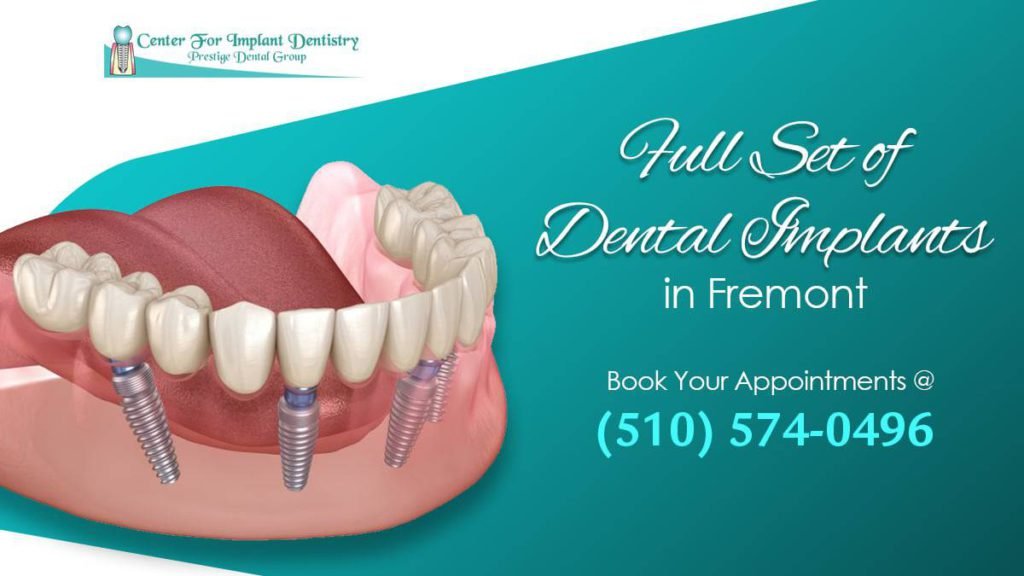
Have you lost most or all of your natural teeth? Full mouth dental implant surgery is the best way to replace them. Getting a full set of dental implants in Fremont will deliver you your lost smile and the ability to speak and chew properly.  These replacement teeth appear just like your natural teeth that can last for a lifetime. Whether you have lost your teeth in a dental trauma or due to decay and damage, they rebuild your gorgeous smiles, making them the best alternative to missing natural teeth. 

It is patent that before you look for “full mouth implants near me?”, you must want to have an idea regarding the treatment. This blog will help you achieve that information. 

When do we need a full set of dental implants?

  • Full edentulism: A condition when all the natural teeth are lost and need replacement.
  • Several missing/ bad teeth: If a patient has most of their teeth present, but they are completely damaged or decayed, it’s better to opt for full mouth dental implants.

Different options for full mouth dental implants

All-on-4 dental implants – This is one of the most convenient methods to replace several missing teeth without getting separate implants for each lost tooth. The treatment requires just four implants to replace the complete set of teeth. 

The same day full mouth implants – No need to wait for months to get teeth replacement! With same-day full mouth implants, get a brand new smile in just one day. 

Other options – Another option to get full-mouth implants is “clear choice,” which is quite affordable and convenient. 

What are the benefits of full-mouth implants? 

  • It reduces the chances of bone loss, which occurs due to lost teeth. 
  • They offer a better facial appearance.
  • Improvement in the quality of speech and chewing efficiency.
  • Comfortable and convenient with long-lasting features. 
  • Improves the self-esteem and confidence of a person.

Get a radiant new smile today!

Looking for “full denture implants near me?” Center for Implant Dentistry is your go-to place. Get full arch dental implants in Fremont like no other with our incredibly talented dental professionals. We are just a call away to rebuild your smiles!

A guide to learning everything about Full arch dental implants in Fremont

CID

Do you feel embarrassed to smile near your peers and family? Are missing teeth the reason behind your limited smiles? If you have lost most or all of your teeth, the best treatment to restore your smile by getting full mouth dental implants. These implants are specially designed to replace all of your missing teeth and help you in speaking and chewing. Undoubtedly they are considered as the best alternative to missing natural teeth. Before opting for full arch dental implants in Fremont, we need to have complete information regarding the treatment.

What do you mean by Full mouth dental implants?

Full mouth dental implants are created to replace most or all of your missing teeth to offer a promising and improved smile. You can easily switch from dentures to these implants and have a comfortable speaking and eating experience.

What are the different options to full mouth dental implants?

  • All-on-4 implants

One of the most convenient ways to replace most of your teeth is through all-on-four implants. Wherein just four implants are used to replace the whole arch of missing teeth.

  • The same day full mouth implants

Most patients don’t like to wait for months to finish their treatment. On the same day, full mouth implants are a boon to them as they can get their missing teeth replaced right away without waiting for months. 

Other options

Other options include a clear choice, which is affordable and gets your smile restored.

How much does full mouth dental implants cost?

The cost structure for these implants is wholly dependent on the patient’s location, the experience of the dentist, insurance coverage, treatment plan of the patient, and other factors. It varies from person to person.

Looking for a full set of dental implants in Fremont?
Do not burden your mind thinking, “where to find the best full mouth implants near me“? You are at the right destination. At the Centre for Implant Dentistry, you will get the right expertise and a friendly environment to win your smile again. Call us today to schedule your appointment.

A Guide To Knowing Everything About Dental Implants Before Getting Them

Missing teeth can not only be embarrassing for one, but they can also hamper one’s oral and overall health. That is the reason why dentists urge people to get their missing teeth replaced as soon as possible. Thanks to dental and technological advancements, dental implants have become one of the most popular choices for replacing missing teeth. But, what exactly are dental implants? Our dental implants specialist in Bay Area explains it for you. 

What are dental implants? 

Dental implants are small titanium screws that are placed surgically in one’s jawbone. The titanium in the implants gradually fuses with the bone to provide strong and sturdy support for replacement teeth. Dental implants act and feel just like natural tooth roots and onlookers won’t tell the difference. 

How are dental implants more beneficial than other tooth replacement options? 

There are other tooth replacement options like dentures and bridges. But, people mostly choose dental implants to get their smile back. This is due to a lot of reasons. Firstly, dental implants restore your biting and chewing abilities almost entirely instead of removable dentures, which bring about minimal improvements. Unlike dentures that cause speech and tasting issues, dental implants – being fused with your jawbone – offer a secure and comfortable fit that does not impose any restrictions on your normal oral functionalities. 

Dental implants also come with a lot of other benefits. Apart from regular oral hygiene and maintenance, they do not need any special care. Unlike bridges, which require removing healthy tooth structure from adjacent teeth, dental implants do not affect other teeth. They prevent bone loss, which occurs as a result of missing teeth. Being permanent and capable of lasting a lifetime with proper care, dental implants are the more economical solution to missing teeth. 


Where can you get dental implants in Bay Area?

At the Center for Implant Dentistry, you won’t be able to tell the difference between your natural teeth and the implants that our experts provide. Call us today to schedule your consultation.


All On 4 Dental Implant

all on 4 dental implant

What is All on Four?

All on Four is a dental implant process for people who are ready to leave behind regular dentures for a brand new smile. This dental implant cost is pricier than other dental procedures, but is worth it in the long run. Regular implants at a singular rate are much more expensive in the long term, so the best option would be getting the whole set of implants. 

At the Center for Implant Dentistry, our price for All on Four dental implants is 14,990 dollars. Through this procedure, we will aim to give you a smile supported by implants in your mouth, eliminating the maintenance of dentures or the thought of nonfunctional teeth, as well as making sure that it doesn’t intrude your everyday life.

What are the benefits of All on Four?

There are many benefits to getting the All on Four procedure done, the first being a brand new smile in less than a week. The results are long term and there is no need to worry about maintenance or limiting types of food. Patients will not be hindered by the surgery and can quickly return to everyday activities. On top of that, implants erase the sloppiness and inconvenience of normal dentures. All on Four dental implants is the best way to give you the smile you deserve.


What is surgery going to be like? 

At the Center for Implant Dentistry, we use a mix of science and technology to back us up, and we go through a process for this surgery. We first evaluate your situation and take a couple of tests such as CAT scans, X-rays, and impressions of your teeth. We then will take you into surgery, where it will be painless and quick through a session of two to three hours. 


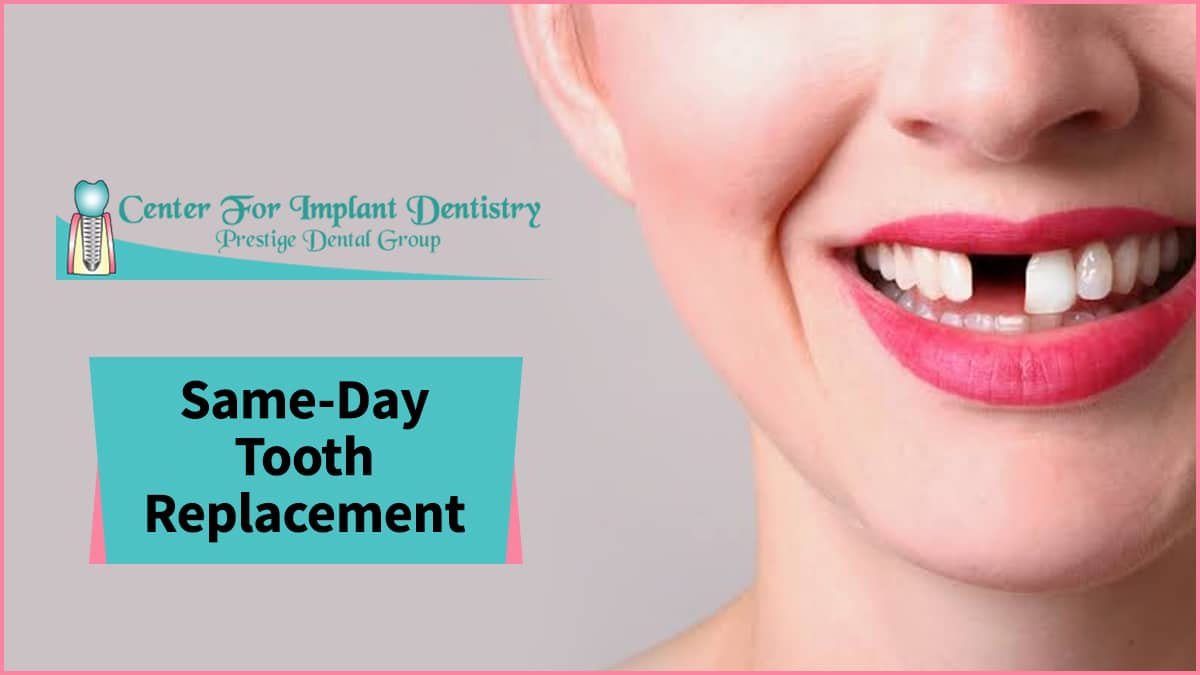
Is it possible to replace my missing teeth within the same day?

Yes, it is. Replacing missing teeth within a short period of time has never been easier with our dental implants, which can be done in one day. There are three easy steps: a consultation at the dental office, an evaluation of your mouth, and then a statement of whether dental implants are the best for you or not. If yes, then a customized dental treatment plan would be set. 

Same-day dental implants (for single or multiple teeth replacements)

If one or more teeth are missing, then single day dental implants are an amazing solution for you. For those wearing uncomfortable dentures, there is no need for them anymore. You can have a beautiful smile within the span of 24 hours. What previously took months to show results can now be achieved in a single day with functional dental implants. Now people can easily smile, eat, and laugh with no or minimal discomfort. 

How are single day dental implants performed?

Thanks to advancements in dental technology, treatment is conducted with a combination of 3D city scans and a virtual planning software. In this virtual software, artificial tooth roots are fabricated so that it suits the nuanced parameters of your mouth. As soon as the dentist maps the process, the dental implant is placed. Followed by the procedure, the patient can walk out of the dental office with their new teeth fully functional and with the appearance of natural teeth. 

If you need same-day teeth replacement, visit us at CID and get the best services for dental implants in a single day so you can walk out with confidence. Contact us today for any further inquiries or booking an appointment with us.