8 Reasons to Consider Sedation Dentistry

Sedation Dentistry

Introduction

Dental anxiety is pretty prevalent, with roughly 36% of individuals suffering from it. An unpleasant or painful dental encounter frequently brings it on. Some people fear going to the dentist because they can’t sit still or have an extreme gag reflex that makes sitting through a procedure awful. Your oral health is likely to deteriorate if you Avoid consulting your dentist due to any of these above said reasons. Today’s modern day dental practice incorporates techniques to overcome all these troubles and get your dental treatment done without fear and anxiety.

We’ll go through all the reasons why you should choose sedation dentistry.

1) Overcoming Anxiety

Anxiety may be crippling for some people. Patients afraid of coming to the dentist may not receive the attention and treatment they require to live a healthy life. Others become agitated during therapy and are unable to finish it. Sedation dentistry helps you manage your anxiety, even for the most painful dental treatments.

2) Managing Pain

Pain concerns may arise during root canals, dental implants, extractions, and other operations. Sedation dentistry helps to reduce anxiety and pain during dental procedures.

3) It Assists You With Your Appointment Go By Quicker

One of the most compelling reasons to consider oral sedation dentistry or IV sedation dentistry is that it will expedite your sessions. Sedation dentistry will be much helpful in case of time consuming procedures . You will feel quite relaxed and calm with Oral Sedation Dentistry. You may even doze off for a bit. You’ll be awakened, and your appointment will be finished before you realize it. We can work considerably quicker in your mouth since we don’t have to stop to give you a break because you’re so comfortable. It will also expedite the completion of your appointment.

4) Managing Surroundings

For some individuals, the sound of a dentist’s drill or the scents associated with a dentist’s office might cause fear or increase anxiety. Treatment may be challenging to finish due to these aural, visual, and olfactory symptoms. Sedation dentistry relaxes you, reducing the impact of these triggers.

5) In A Single Visit, You Might Receive Many Treatments

It might be tough to deal with if you require primary dental treatment or many procedures. Patients get exhausted, which might lead to increased worry. Sedation Dentistry can keep you calm, comfortable, and patient throughout lengthy procedures, allowing the dentist to address several tooth issues in a single visit.

6) Reduce Trauma

A negative recollection from a past dental appointment might be the source of your anxiety about going to the dentist. Fear and pain are strong emotions. You will be in a relaxed condition during Sedation Dentistry. You are less likely to recall details about your dental treatment, mainly if you are in pain. The passage of time will appear to be faster. Because many patients remember a sense of calm, you’ll have a better overall experience.

7) It Helps Strong Gag Reflexes

If you have a strong gag reflex, any form of dental examination may cause you to gag or even throw up in your mouth. It can make dental visits not only unpleasant but also humiliating. Sedation dentistry causes you to relax to your gag reflex weakens. It will allow you to receive the therapy you require without gagging.

8) There Are A Plethora Of Options Available To You

Oral conscious sedation is a type of sedative that keeps you aware. You may fall asleep throughout your session, but you will be awake enough to respond if we need to ask you a question or if you need to talk. Patients who require more strong doses of sedation might choose oral conscious sedation, which necessitates a Attender to he available to help you after the procedure

To Sum up

If going to the dentist makes you nervous or putting off dental care because you’re afraid, you should consider Sedation Dentistry. Medication is used in sedation dentistry to help you relax and have a more pleasant experience.

These are the eight reasons sedation dentistry should be considered for your next dental appointment.
Considering Bone Grafting for Dental Implants? Things to expect!

Bone Grafting

Introduction

A dental implant is a great, secure, and long-term solution for a person with good overall well-being but has one or more missing teeth due to periodontal disease, injury, or another infection. A dental implant is just an artificial tooth root inserted into the jaw by a Board-Certified Specialist in Dental Implant Surgery and Periodontology to replace the missing teeth. Because implants do not rely on nearby teeth for support, they can help save other teeth. When it comes to putting a dental implant in place, bone grafting may rarely be essential.

What is Bone Grafting

Traditionally, a fragment of bone from a healthy region of the patient’s jaw or body is extracted and transplanted into the jawbone. Other alternatives now include acquiring bone from a cadaver or an animal source Or even artificial or synthetic bone grafts to replace the missing bone. These options offer lower patient morbidity, don’t require a second surgical site, and are equally effective. After this treatment, it may take a few months for the transplanted bone to grow enough new bone to allow for the placement of a dental implant.
Once the jawbone has healed, the implant surgery will commence. It may take several months for this stage to heal.

Dental Implant Surgery

In most cases, dental implant surgery is done in stages. The injured tooth is removed first. After that, the jawbone is ready for surgery. Bone grafting may be necessary at this point. A bone transplant is a surgical treatment that helps to augment bone in specified implant sites and helps to restore insufficient bone while restoring face contour. When teeth are lost due to trauma, decay, or injury, there is usually some bone loss, and the bone around the jaw starts to degenerate. A bone graft will provide a more stable foundation for a dental implant if this is the case.

Post Bone Graft And Implant Procedure

Bone grafts, while time-consuming, are an essential aspect of any implant procedure. Patients may suffer minimal discomfort after surgery, such as swelling of the gums or skin, bruising, or minor bleeding, but these common side effects fade fast. There are some dietary restrictions following each bone graft and implant treatment stage, such as Eating soft diets, and avoiding smoking while the healing takes place.

Board Certified Specialist In Periodontology And overall cost of dental Implant

Dental implants and bone grafting are considered one of the most effective procedures that should only be handled by a dental implant surgeon who is board qualified. While patients may save money by going to their family dentist for this type of operation, the savings may be costly in the long term. Because of the delicate, multi-stage processes required to complete bone grafts and dental implants, it is critical to seek the advice of a board-certified periodontist and dental implant expert who is familiar with and knowledgeable in this operation. At Center For Implant Dentistry, we provide effective treatment at relevant prices.

Conclusion

Bone grafting surgeries and dental implants can take time when a skilled surgeon performs, but the result is well worth the wait: healthy teeth, healthy gum, and a dazzling smile that anybody can be proud of.

Pros & Cons of Same-Day Dental Implants | San Francisco Bay area

Pros & Cons of Same-Day Dental Implants

Pros & Cons of Same-Day Dental Implants

Patients suffering from severe tooth pain and who have lost one or more teeth understandably wish to be replaced as soon as feasible. Dental implants are frequently a good option. A considerable number of dentists are now offering same-day dental implants, which are placed and loaded virtually instantly utilizing modern procedures. The traditional implants are placed in position and allowed to heal for a period of 3 months before replacement. In the case of single-day implants Even if the implants are filled with new restorations right after surgery, they still need to integrate with the bone; even the tiniest movement can obstruct this process.

The implants are entirely secured by the bridge with same-day, implant-supported bridges, assuring no Interference in the healing process. The implant-supported crown is manufactured in a way it is not in contact with opposing dentition when this approach is used to restore a single tooth. For same-day procedures, small-diameter implants, or SDIs, are sometimes employed. Using flapless surgery procedures, small-diameter implants are routinely used for implant-supported dentures.

Pros For This Dental Implant

When this therapy is successful, patients report a high degree of pleasure because they can have their implant surgery and new teeth on the same day. Patients will not have to wear an uncomfortable partial or complete denture while their implants recover with same-day dental implants. People afraid of losing their teeth for an extended period will find treatment intriguing. Patients can eat and chat in relative comfort during the healing process, causing minimal disturbance to their daily lives. The techniques utilized for same-day dental implants have been thoroughly evaluated and do not jeopardize the treatment’s long-term success.

“All-on-Four” is one of the most popular same-day dental implant methods. When a complete arch of teeth is supported by only four dental implants and the stresses applied on the implants are directed at an oblique angle, this is referred to as obtuse arch support. Bone grafting is sometimes required to be done before the implant procedure with this treatment since the placement of the dental implants maximizes the utilization of accessible bone, particularly in locations where it is naturally thicker. It can help people save money without sacrificing the quality of their results.

Cons For This Dental Implant

Same-day implants do not negate the need for osseointegration. Before the treatment may be considered a success, the implant must securely merge with the patient’s jawbone. That implies the patient must continue to follow all of the dentist’s dental hygiene guidelines following the operation. Failure to do so can lead to future issues.

Sticking to softer foods and avoiding habits like smoking and biting on hard things are often the best choices for sufferers. If you don’t, the implant may move out of place. The implant usually takes three to six months to permanently integrate with the surrounding bone tissue. Are you considering getting same-day replacements for your lost teeth? Please make an appointment with one of our dentists today to discuss your choices.

Conclusion

Every aspect of life has advantages and disadvantages. It would help you if you considered what is crucial to you, whether same-day dental implants or same-day delivery. However, speak with your dentist beforehand to see if you’re a good candidate for the quick process. If that’s the case, you could be smiling the next day.

What is a Sinus Lift, and How do I Prepare for It?

What is a Sinus Lift

What is a Sinus Lift, and How do I Prepare for It?

While most people are familiar with cavities, braces, and root canals, numerous other dental and oral maxillofacial procedures can help people. People must be aware of these options to make well-informed decisions. A sinus lift is a typical example of a technique that is often overlooked.

While the phrases may appear frightening, it is critical to understand a sinus lift so that patients do not ignore a procedure that could improve their dental and general health. Before consulting an oral health professional, everyone should know the following information.

Sinus Lift Surgery

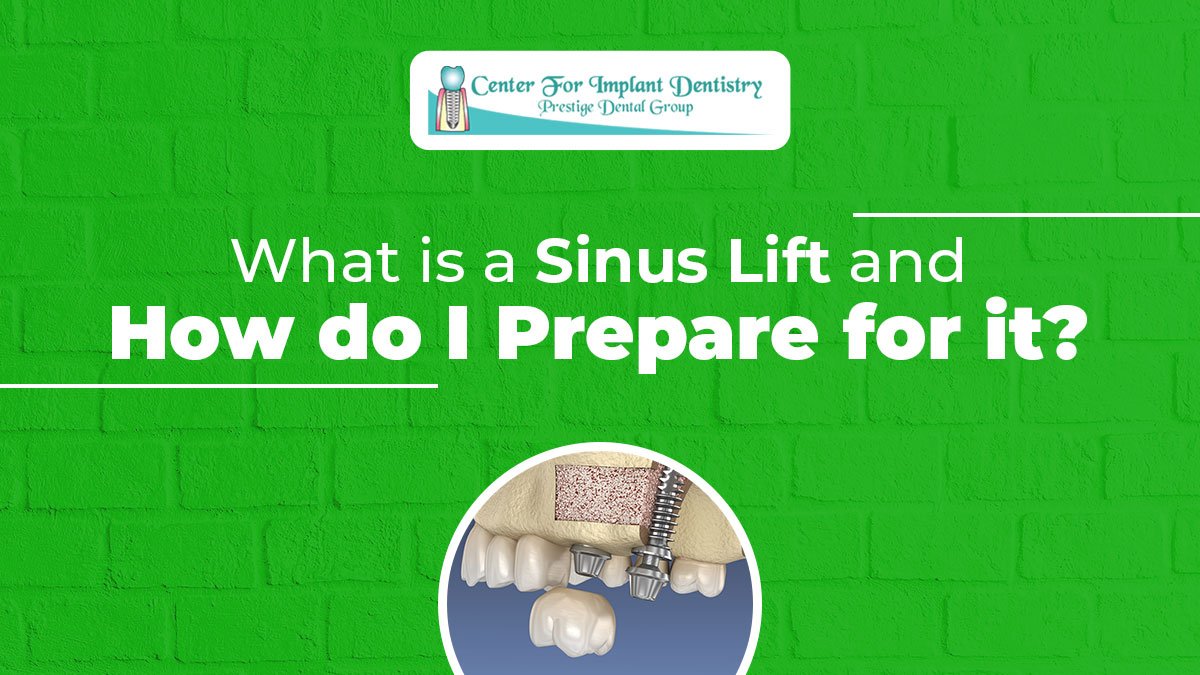
A sinus lift is a surgical procedure that involves lifting the sinus floor membrane and adding bone to it. This procedure is done in the region of maxillary premolars and molars near the sinus region. This operation is sometimes referred to as a sinus augmentation procedure in some locations.

The bone is positioned between the maxillary sinuses (which run along both the left and right sides of the nose) and the jaw. Because the face is a tight region, the membrane of the sinuses is forced higher to create room for this additional bone, which is where the name “lift” originates from.

Dental Implant Cost

Some people are concerned about the cost of dental implants; nonetheless, implants are not prohibitively expensive. Each surgery has several components, contributing to implants’ costs. It is crucial to note that if a missing tooth is not replaced with an implant, the neighboring teeth will shift, and jawbone loss will occur, both of which will be significantly more expensive to treat than a single dental implant.

What Are the Benefits of a Sinus Lift

Here are a few reasons why a dental sinus lift operation may be required. Here are several examples:

  • The upper jaw’s bone height is insufficient.
  • The sinuses are located too close to the jaw.
  • It is necessary to insert dental implants and provide space for them.

A sinus lift may be the solution if an oral health specialist decides it is essential. Why do people have these jaw abnormalities in the first place?

When the teeth are not replaced leading to excessive bone loss in these regions resulting in insufficient bone for future replacement

  • Some people may have lost a few teeth in the upper jaw. Molars are frequently involved. When the tooth is not replaced leading to excessive bone loss in these regions resulting in insufficient bone for future replacement, necessitating the placement of more bone before implants may be implanted.
  • A decrease in the jaw’s bone density could have been caused by bone, gum, or periodontal disease.

How We Help You

Call the Center For Implant Dentistry specialists if you miss a tooth or need help restoring your beautiful smile. Our oral surgeons have the skill and experience to execute sinus lifts as a top experts in dental implants. Please get in touch with us right away to see how we can assist you.

What Is A Sedation Dentistry?

Tips for recovering from Wisdom Teeth Extraction

What Is A Sedation Dentistry?

Does getting your teeth cleaned make your entire body tense? Would you instead suffer through the pain of a toothache than visit a dentist? You are not the only one who feels the same way. Reportedly people are so afraid of going to the dentist that they would not get any treatmen

Patients who hate dentists And fear getting the dental treatment done may benefit from sedation dentistry. Sedation can be utilized for various treatments, from invasive surgeries to routine dental cleanings.

What Is It?

Sedation dentistry specializes in using sedation to alleviate tension and discomfort. Laughing gas, oral sedation dentistry, and IV sedation dentistry are the three forms of sedation dentistry.

Within the field of sedation dentistry, all three approaches have a role. Your medical history and other factors will assist you in making the most acceptable option.

Laughing Gas

Laughing gas is entirely harmless to both children and adults. It is because you are awake and aware throughout the operation.

Your dentist may offer laughing gas to help you feel better in the chair if you have dental anxiety. We’ll put a mask over your nose and advise you to take deep breaths. The laughing gas takes only a few seconds to start operating.

When compared to other sedative treatments, laughing gas is the safest with minimal side effects. Any adverse effects will vanish as we remove the mask.

Laughing gas can be used for various procedures, including tooth cleaning and root canals. On the other hand, Operational and other intensive procedures may require more medication in addition to laughing gas to alleviate discomfort. A local anesthetic, for example, is required to numb a tooth that requires filling.

IV Sedation Dentistry

In this process, first, an IV line is directly inserted into a vein in your arm. This IV line makes sure that you have a constant supply of drugs. That way, you’ll be knocked out for the duration of the process.

While in the dentist’s chair, you may relax and feel protected, knowing that you’re getting professional dental treatment without the worry and agony. We keep a close eye on your vital signs and use an oxygen mask to make sure you’re breathing appropriately.

Oral Sedation Dentistry

Your dentist will give you soothing medicine approximately an hour before your treatment begins using oral conscious sedation. Most dentists prescribe triazolam, a diazepam derivative. Other drugs, such as zaleplon and lorazepam, may be used by your dentist. In pediatric dentistry, liquid sedation.

Oral sedation makes you feel tired and sleepy. However, you will be able to interact with your dentist if required, and you will be gently nudged awake. You’ll need someone from your family or friends to drive you home following your treatment since oral sedation temporarily impairs your memory and motor abilities.

To Sum Up

Regardless of the sort of sedation you receive, you’ll almost always require a local anesthetic to alleviate pain if the treatment is painful.

Tips for recovering from Wisdom Teeth Extraction

Tips for recovering from Wisdom Teeth Extraction

Introduction

Wisdom teeth try to erupt into the mouth between 17 and 21. If they are Malpositioned or embedded in the jaw bone, we may propose extraction at that time or even before they reach the age of 17. Common reasons which may require extraction of wisdom teeth are:

  • They are partially or completely embedded inside the bone and impacted.
  • Infectious, swollen, cystic, or painful
  • Detonate at an inopportune moment

Many people, unfortunately, avoid having their wisdom teeth removed. However, keep in mind that the roots of your wisdom teeth become longer and tighten in the jaw as you get older. This makes the extraction more complex, and the healing process may take longer. As a result, it is generally suggested that wisdom teeth be extracted before 25.

  • Keep your head raised during the first three days.

When you lie flat, blood vessel tone and blood volume near the wound rise, causing it to throb. As a result, sleep with your head raised to prevent swelling and speed recovery.

  • Place an ice pack against your cheeks.

Applying an ice pack on your cheeks for the first 36 hours following surgery (20 minutes on, 20 minutes off) will help reduce pain, swelling, and inflammation.

  • Avoid Dry Sockets

When the blood clot that forms on the extraction site is released, it causes a dry socket. This occurs due to dislodgement of the clot by various reasons like improper oral hygiene, vigorous spitting or coughing, smoking. A dry socket can be painful and annoying, and this usually occurs in the first 48 hours of extraction.

Your mouth is held wide open for a lengthy period during the process of wisdom tooth extraction, which may result in a condition known as transient trismus or lockjaw, which causes strained or aching muscles and myofascial pain. After surgery, the masseter, one of the muscles that help you chew, is prone to pain. The stress in your jaw will be relieved by massaging this muscle, allowing you to recuperate faster.

  • Inflammation should be reduced.

The key to controlling discomfort at the extraction site is to avoid inflammation. Because inflammation may worsen beyond 48 hours, make sure you take the anti-inflammatory medications prescribed by your doctor.

Is it necessary to extract wisdom teeth?

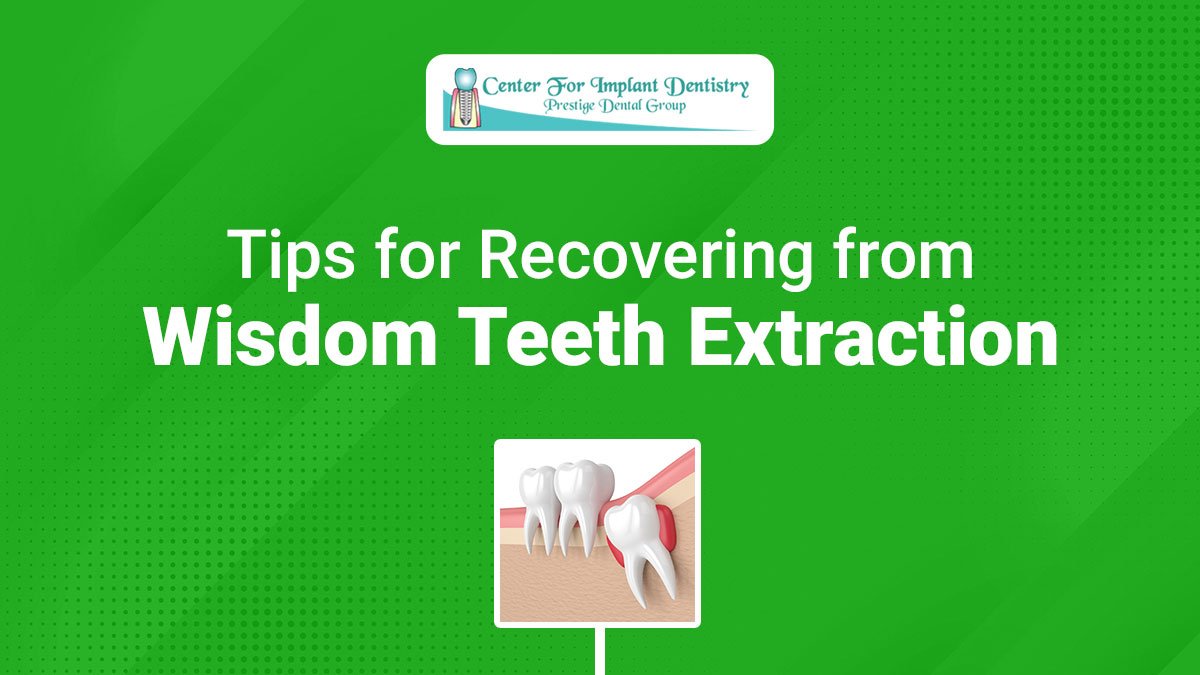
If your wisdom teeth aren’t bothering you, they don’t need to be extracted. They must be removed if they are affecting or causing crowding. If it is not removed, the wisdom tooth will become impacted. Because there isn’t enough room in your mouth for it to erupt correctly, it will come out at a wrong angle, perhaps injuring the tooth next to it.

Your dentist may urge you to get your third molar removed as soon as possible since the bones in your mouth become more brutal as you get older, making it more difficult to remove. Delaying treatment can result in significant operations and excessive bleeding, as well as a bit of loss of jaw movement.

Symptoms that you should get your wisdom teeth removed

  • Pain behind the molars worsens with time; redness, swelling, and tenderness can lead to infection.
  • Poor breath and a bad taste can be observed due to wisdom teeth.
  • Jaw stiffness and pain

Extraction of wisdom teeth costs

The tooth’s location determines the cost of wisdom teeth extraction, the degree of impaction, the need for anesthetic, sutures, and other factors. Always discuss these considerations with your dentist, as they may impact the procedure’s cost.

All-On-4 Dental Implants Benefits

All-On-4 Dental Implants Benefits

Introduction

All 4 dental implants have the following advantages:

  1. Get a fully functional new tooth in a short time
  2. Improve your appearance
  3. Eat freely
  4. Get a long-lasting smile
  5. Collapse teeth
  6. Easy to care for your teeth

With only four dental implants, you can replace your denture and get a permanent bridge supported by the implant in a day.

Get immediate results

Immediately experience dramatic improvements in masticatory ability, tooth stability, and overall comfort.

Improve appearance

All on four dental implants can affect appearance for up to 20 years. This procedure helps protect the jawbone and prevent further deterioration of the facial structures associated with the missing teeth and the root system that supports them. Dental implants reduce wrinkles caused by lack of bone and tooth structure and help look younger.

Eat what you want, when and where you want.

The All on 4 processes improves your overall diet. Instead of avoiding it in public or at home, you can re-enjoy your favorite food.

 Get a long-lasting smile.

The all on 4 dental implant procedure creates a permanent dentition with a non-removable implant support bridge. There is no need to remove the dental implant, and the tooth can last a lifetime.

 Improves overall quality of life

 With All on 4 Dental Implants, new teeth feel and function like natural teeth. You will be confident in your smile, how you speak, and how you eat. Overall, you will look better, feel better, and take a new look at life. 

 Eliminates health problems associated with tooth rot and loss

All on 4 Dental Implant Treatment contributes to oral and physical health by reducing the risk of periodontitis, chronic infections, and bacterial inflammatory diseases. Periodontal disease is associated with heart attack, stroke, Alzheimer’s disease, diabetes, and other chronic illnesses. Dental implants restore your mouth to a more natural state, so they can help prevent periodontal disease. 

Easy Tooth Care Another advantage of the 

 All on 4 implants is that it is easy to care for. Daily brushing and dental floss, and regular visits to Dental Associates, hygienists, and dentists will help keep your new teeth clean and healthy for the next few years. 

 All on 4 Dental Implant Solution 

 All on 4 Dental Implant Solution was developed to simplify the treatment of people suffering from tooth loss, periodontitis, and/or bone atrophy and resorption (natural jawbone dissolution). Low self-esteem and quality of life issues. All on 4 dental solutions improve oral health and overall health. 

 All on 4 Dental Implants: Attractive and Affordable 

 Traditional dental implants require at least six implants to be placed per arch. Those who choose to do nothing about missing, missing, or loose dentures often experience pain, embarrassment, messy denture glue, and poor overall health. The All on 4 dental implant procedure saves time and money, shortens healing times, and relieves the emotional stress of lacking healthy teeth. 

The All on 4 Dental Implant procedure is intended for individuals with toothless or toothless jaws, who are currently wearing dentures, and those who require complete upper and/or lower restoration. This procedure saves time and money by using only four implants per arch and a complete set of new implant-supporting replacement teeth.

What to expect during all on 4 implant procedures?

All on four dental implants

All on four dental implants are considered the smartest, fastest, and most effective way of replacing the complete set of teeth. This procedure includes the placement of 4 dental implants or the artificial tooth roots into the corresponding jaw bone. Two Implants are placed in the anterior region and 2 in the posterior region of the jaw to stabilize and support the prosthesis.

Implants have an incredible ability to restore your smile, aesthetics, and function. In case of being completely edentulous in either upper or lower jaws or even both, all on four procedures would be the hand in glove option to cater to all your needs and preferences by being the most effective option.

Why one should choose all on 4 over traditional dentures:

In the past Traditional complete dentures were the only option available for completely edentulous patients. These dentures are the removable appliances that are used when all the teeth are missing. These are specially designed in a way that it adapts to the gums and bone of the patient and is held in place by the gums, and there are cases where a patient needs to use a denture adhesive to avoid the embarrassment of the denture getting displaced. Implants are the most advanced replacement option that has now become a revolutionary option available. Implants take the support from the underlying jaw bone, and they are fixed to the jaw bone, thereby making it user-friendly.

This option of fixed replacement helps optimize the functional ability of the prosthesis as it works just like the natural dentition.

Dental implants are less time-consuming as implant placement is done in a single visit, unlike traditional dentures where multiple visits are required. The most captivating advantage of implants is that it lasts a lifetime, unlike traditional dentures. With traditional dentures, there may be difficulty in speaking and pronunciation of certain syllables like D, T, M, S, P, etc. It may seem to be difficult due to the bulky dentures placed inside the mouth. With all on 4 it’s just normal. One doesn’t feel the presence of foreign material inside the mouth, making it user-friendly.

The maintenance phase of implants is just like your natural teeth and is easier to maintain, unlike traditional dentures.

What to expect during all on 4 implant procedure

When all the teeth are missing, our prosthodontist at Bay Area implant dentistry will do a series of tests which include x-rays, intra-oral scanners, and assess the bone quality and the supporting structures to confirm if you are a good candidate for all on 4.

After assessing the bone quality, the dentist may advise bone grafting if needed.

Once the treatment planning and pretreatment procedures are done, our dentist will fix up an appointment for implant placement which is a single visit procedure and needs a few hours. Initially, local anesthesia is given to numb the area and incisions made on the preferred implant sites. The dentist then places the Titanium screws into the bone, which will anchor the teeth. Whether it is an upper or lower arch, only 4 implants will be placed in each arch. Healing of the implant is a crucial aspect of the implant’s success. The implants need 3-4 months for the osseointegration to take place, and the implant gets fused to the jaw bone. Once the Integration happens, the abutment is attached to the implant, and artificial teeth are fixed to it.

What you can expect during recovery

Recovering after all on 4 is minimal because most of it happens in the jaw bone. You may expect a mild swelling immediately after placement which may exist for a few days, and you will need to stick to a liquid or soft diet for a week after the procedure due to tenderness in the gums.

Keep yourself hydrated by consuming a lot of fluids which will also help in healing. Our dentist at Center For Implant Dentistry will prescribe suitable analgesics to keep you away from pain in case of bleeding or any discomfort. We at Center For Implant DentistryCenter For Implant Dentistry are always available to give you the right care.

Once the implant placement is done and initial healing happens, you will have to wait for a few months before going on with the second stage procedure, which is abutment placement and restoration. This period is for the implant to fuse with the underlying jawbone; this usually takes 3-4 months. Dentists will check the healing of the implant using x-rays, and once the healing process is complete, an abutment will be fixed to implants, and the artificial teeth are attached, giving you the desired aesthetics.

What Happens When You Get All On 4 Dental Implants?

All On 4 Dental Implants

Introduction

All on 4 is a treatment used in Huntersville to replace regular dentures. The entire dental arch at the top or bottom of the mouth can be replaced with this procedure. The dentist can fix the denture using four adequately placed dental implants. The implant is first inserted into the jawbone and replaces the natural root. Unlike standard dental implants, which require a separate screw for each tooth, the All on 4 dental implant method uses only four screws to hold the entire row of upper and lower teeth. In addition, unlike regular dentures, All on 4 dental implants are not removable.

All on 4 Dental dentures have become more popular in recent years due to the following benefits:

  1. Patient gets a new smile on a single visit: All on 4 implantation procedures where the implant and denture are inserted simultaneously. This means that most tooth-deficient patients will return home with a complete set of teeth.
  2. It saves the patient money: The cost of replacing the entire lost tooth set with an implant is exorbitant for most people. Anyone who would otherwise have to be happy with the denture can find a permanent and more comfortable solution to the tooth loss problem with Affordable Dental Implants.
  3. Only one visit for treatment. This means that patients need less time to get in and out of the clinic and never miss a job or school. Implants are placed deep in the jaw, providing a safer foundation for dentures and reducing the risk of implant failure.
  1. For the first two weeks after surgery, the patient should be on a liquid diet. After the first two weeks, the baby can switch to semi-solid food, but it should be switched for up to 6 months while the implant is incorporated into the bone tissue.
  2. Due to the high occlusal force, all on 4 implants cannot be placed behind the mouth. To ensure a secure basis, the prosthetic must be implanted deeply.

If you are missing most of your natural teeth, all 4 dental implants are one of the most excellent solutions accessible to you. Visit our Swampscott location to learn more about the process and begin treatment.

Make an initial visit with your dentist or oral surgeon to determine if you are a candidate for the All on 4 procedure. Traditional dental implants are recommended for patients missing a few teeth and still have healthy teeth. Implants are usually inserted, and dentures are attached at the same time.

This procedure is usually performed under local or general anesthesia. The dentist first removes the rotten teeth and infected gums to prepare the jaw for the implant. Next, put two screws in front of the mouth and two screws behind the mouth. Thanks to these screws, the denture has a stable base. Most dental Implant dentists use titanium screws to replace the roots of deciduous teeth. The roots of the deciduous teeth fuse with the bone over time. Finally, the dentist screws the entire dental arch of the plastic or porcelain prosthesis.

Wisdom Teeth Removal in Fremont

Wisdom Teeth Removal in Fremont

Information About Extraction Of Wisdom Teeth

When discussing wisdom teeth removal with a group of adults, you may expect to hear horror stories about swelling, dry sockets, and painful surgery. Wisdom teeth extraction does not have to be a terrifying experience. When done appropriately and with plenty of safeguards, removing wisdom teeth can be relatively simple and pain-free. The wisdom teeth removal in Fremont is regular, yet many people have concerns about the process and recovery. Your Perfect Smile is our responsibility; we provide you with the best wisdom teeth removal dentist.

We are equipped to handle all tooth extractions as a comprehensive dental care provider. In particular, we have established ourselves as one of the leading providers of wisdom teeth removal in Fremont and the surrounding areas. If you are suffering any discomfort, please contact us as soon as possible for a consultation, or come to our convenient Fremont office. If taken care of promptly, tooth extractions are a pretty routine surgery.

Why We Remove Wisdom Teeth

A wisdom tooth is pulled to either cure an existing problem or avoid future ones. When wisdom teeth grow, they can cause a variety of issues, including:

  • Your wisdom teeth may burst through your gums partially, resulting in a flap of gum tissue growing over them. Food and microorganisms can become trapped beneath the flap, causing red, swollen, and sore gums. These are infection symptoms.
  • Affected teeth can cause more significant complications, such as infection, damage to adjacent teeth and bone, or the formation of a cyst.
  • One or more wisdom teeth may erupt at an odd angle, with the tooth’s crown looking forward, backward, or to either side.
  • They may become blocked and unable to break through your gums because your jaw is too small to hold them.

Removing Wisdom Teeth Fremont

Removing wisdom teeth Fremont is usually successful at preventing:

  • The back teeth are crowded.
  • A flap of skin surrounding a wisdom tooth that has only partially come in has created red, swollen, and painful gums.
  • Gum disease and tooth decay in the wisdom tooth are more challenging to clean than other teeth and the teeth and jaw in the wisdom tooth area.
  • A wisdom tooth becomes impacted in the jaw and never breaks through the gums.

What is involved in wisdom teeth extraction?

In our clinic, wisdom teeth extraction is a regular procedure. The majority of our patients’ surgeries are performed in our clinic, and they usually take around an hour on the day of surgery. Patients often require 2-3 days of healing time at home. Swelling, a soft diet for a few days, and bleeding that lasts only a few hours on the first day are common post-surgery findings. Your surgeon will go over everything in detail with you at your consultation. You will be given post-operative instructions and medicine (if needed) to aid any swelling or discomfort.

Contact Us For Better Treatment

Suppose tooth discomfort interferes with your quality of life; a visit with our Fremont dental staff can help you choose the best course of action. We have the best wisdom teeth removal dentist who makes your smile more perfect. Contact our facility to learn more about our tooth extraction services in Fremont and make an appointment.