The Importance of Post-Operative Care After Receiving a Hybrid Bridge

Dental procedures such as best implant dentist San Francisco could cause discomfort and irritation without proper post-operative care. Mindfulness in following your dental surgeon’s instructions is essential to ensure a speedy and successful recovery. Doing so will help reduce the risk of complications like infections. Following these guidelines will also promote faster healing so you can get back to your regular routine as soon as possible.
Electric Toothbrushes

How to Ensure a Positive Post-Operative Experience

To ensure a positive post-operative recovery is to follow your doctor’s instructions, rest and allow yourself to recover, eat a healthy diet, stay hydrated, attend follow up appointments, and seek support. It’s important to also take the correct medications and follow the instructions from your doctor to have a smooth recovery. The post-operative experience is a difficult process so it’s crucial to take care of one’s own health and follow the doctor’s orders.

Follow Your Dentist’s Instructions

Dr. Jain and Dr. Gupta will provide you with specific instructions on how to care for your teeth and mouth after the procedure. It is crucial to follow these instructions carefully, including taking any prescribed medications and attending any follow-up appointments. At the Center for Implant Dentistry, we schedule your hybrid cleaning appointment after six months of the hybrid delivery.

Eat a Soft Diet

A soft diet is recommended for 3-4 months to prevent further damage to your dental implants and your health. Having undergone surgery, it’s difficult for someone to swallow so soft foods are easier to chew and swallow, reducing the risk of choking. A soft diet is recommended during the recovery period to allow the body to heal and reduce stress on the digestive system.

After a dental procedure, it is essential to eat a soft diet for 3-4 months. Here is a list of foods we recommend to our patients.

  • Fruits/Vegetables
  • Apple Sauce
  • Cooked or Ripe Fruits
  • Canned Fruits Without Skin or Seeds
  • Well-Cooked Soft Veggies
  • Meats and Other Proteins
    • They have to be very tender and not chewy broiled fish
  • Roasted/Stewed Chicken
  • Soups with Small Soft Pieces of Vegetables and Meat
  • Tofu
  • Breads/Pasta/Rice
  • Soft Loaf Bread
    • Cut them into pieces
  • Pancakes/Muffins/Waffles
    • Cut them into pieces
  • Macaroni/Pasta/Rice Pasta
  • Oatmeal/Cooked Cereal/Cream of Wheat
  • Mashed Potatoes
  • Pudding/Jell-O/Yogurt/Ice-Cream/Protein Shakes
  • Other: Hamburger, Pizza, Bagel
    • Cut them into pieces and have it.

DO NOT

  • Bite or chew on any hard foods. Cut them into pieces first.
  • Crush ice with your teeth
  • Eat nuts

Foods

How to Take Care of Oral Hygiene

Oral hygiene is critical after a dental procedure. At the Center for Implant Dentistry we provide detailed instructions for every patient who sees us.

Here are some ways you can keep up with your oral cleanliness:

  • Brush your teeth very gently with the gum part of your hybrid with any paste available.
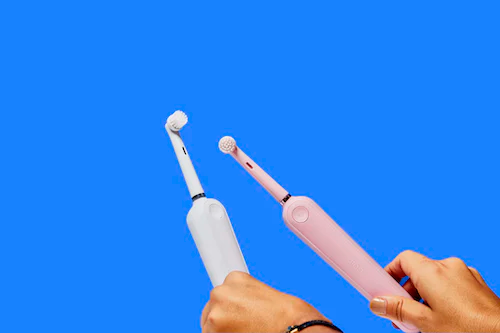
  • Use a manual or electric toothbrush—whichever is most convenient for you.
    • We recommend using the Oral-B® electric round toothbrush—It’s good for cleaning the hybrids
  • Start using a water flosser one week after receiving your hybrid bridge.
    • Use it under your bridges with very slow pressure by lifting your lips and cheek with a slightly closed mouth.
  • Cleaning under the hybrid is necessary and should be even more carefully cleaned than the original teeth.
  • Keep in mind, if you don’t use a water flosser, food will accumulate under your bridges, causing plaque buildup and tartar on your implant’s abutment.
  • Use your water flosser after each meal. If not possible, make sure to use it at night-time before bed.
  • After one month of gum healing, you can use interdental angle brushes.
  • Super floss can be a convenient option.

Your first hybrid cleaning will be about six months after hybrid delivery.

Keep in mind that you should get the periodic cleaning and maintenance done by an experienced dentist who is familiar with All-on-4® complete implant solution techniques. An ideal maintenance schedule would be twice a year or a thorough cleaning of the bridges. It ensures that they last long and it also provides the stability of your implants.
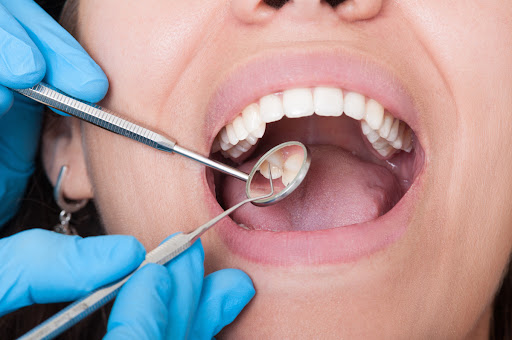
Closeup of dentist tools and mouth open with beautiful teeth

At the Center for Implant Dentistry, We Value Proper Post-Operative Care for Hybrid Bridges and Dental Implants in San Francisco!

By following the above tips, you can ensure a smooth and speedy recovery. Remember to follow Dr. Jain’s and Dr. Gupta’s instructions about eating a soft diet and maintaining good oral hygiene, and rest to promote faster healing. With proper dental post-operative care, you can reduce the risk of complications and get back to your daily activities as soon as possible. Contact us today!

Raised-Hands-with-Hearts

Nobel Biocare, NobelProcera, NobelGuide and All-on-4 are trademarks of the Nobel Biocare group.
Benefits of Dental Implants

Dentists install over 5 million dental implants annually in the United States, making them a popular and practical tooth replacement alternative. While dental implants in San Francisco have a few disadvantages, they also offer several advantages that other tooth replacement methods can’t or don’t offer. The benefits of dental implants often exceed the drawbacks for many patients. Here are some special advantages of SF dental implants for people who have lost one or more teeth.  

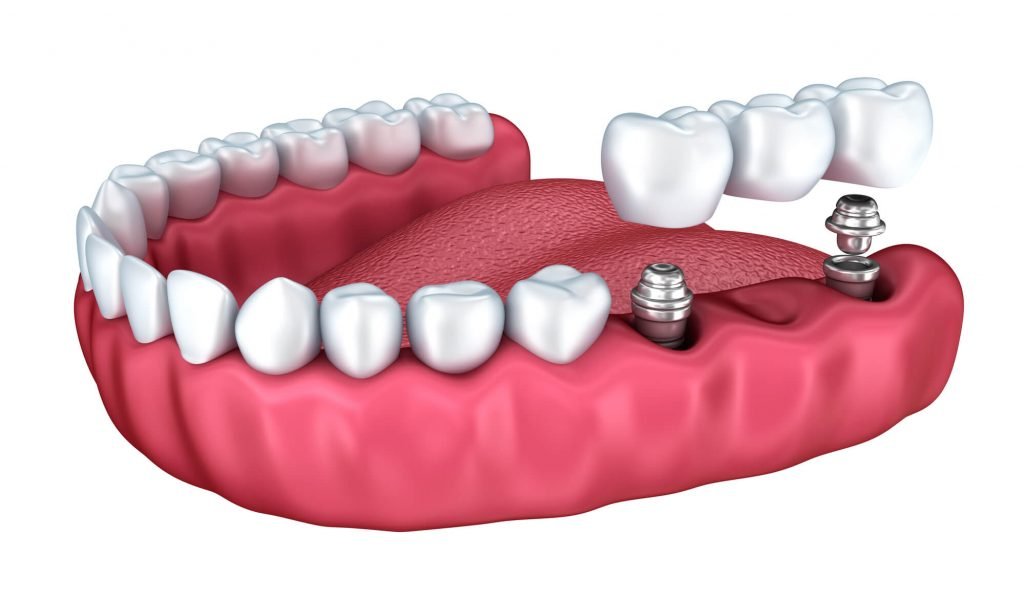
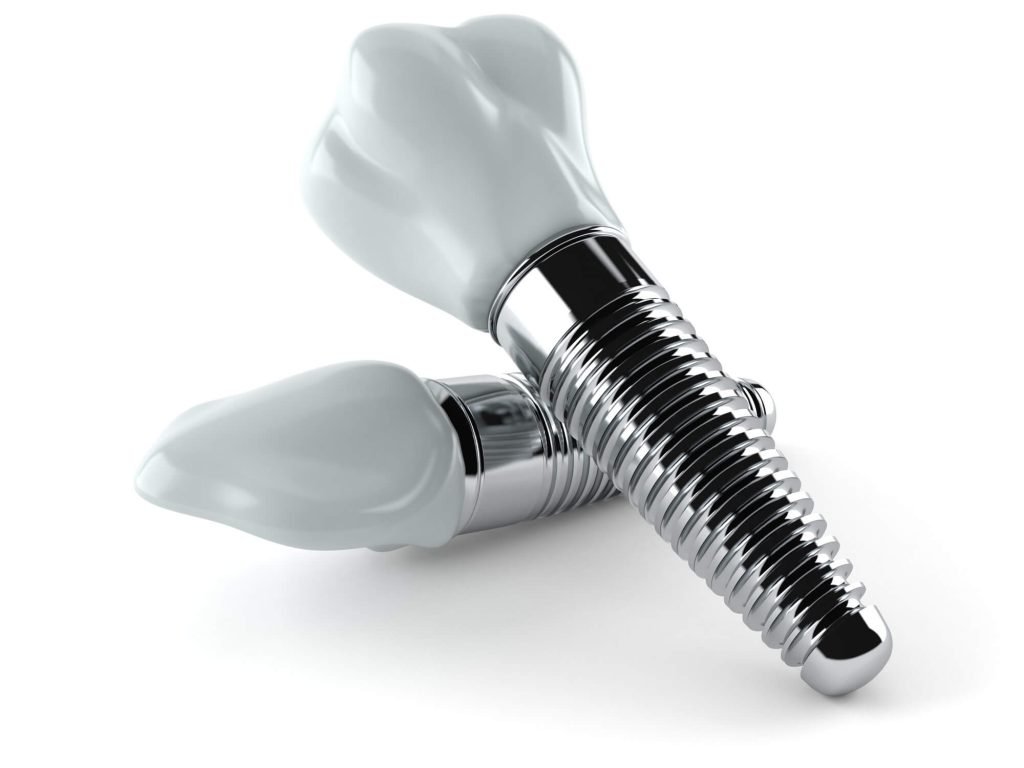
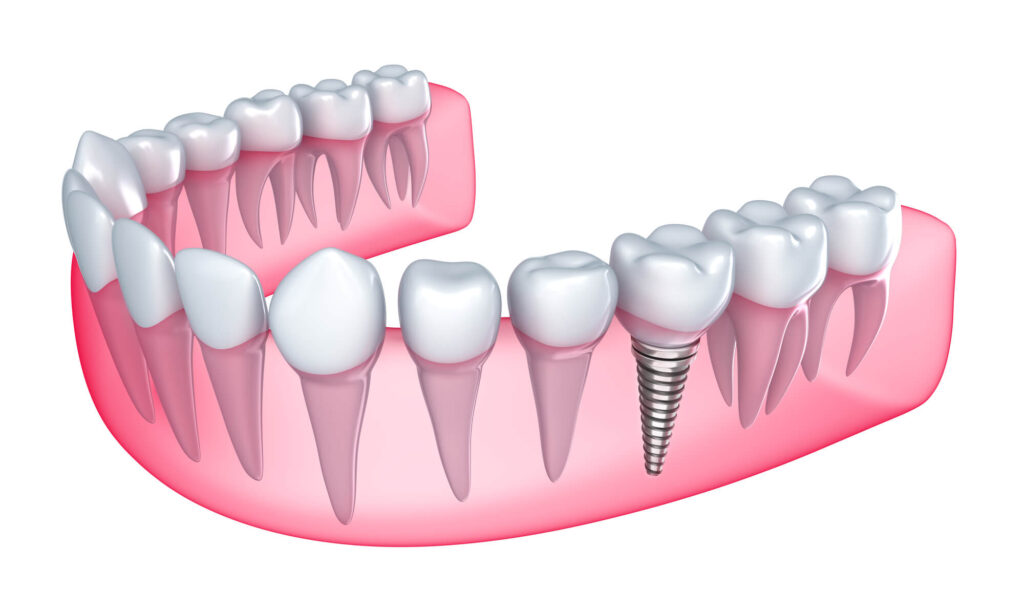
Illustration of a Dental implant in San Francisco placed on one of the lower teeth

Perks of Getting Dental Implants   

Strong and Durable   

Dental implants are quite long-lasting. They will last a lifetime if you practice good oral hygiene, but you will need to replace the implant’s crown approximately every 15 years due to wear and tear.   

In comparison, your complete bridge will need to be replaced every five to 15 years, depending on how well you maintain it. Dentures need to be changed every five to eight years, and because of jawbone thinning, they require periodic modifications to maintain their comfortable fitting. The durability of implants allow you to save money over time because they don’t require adjustments. They are remarkably hassle-free once they are in.   

Feel Secure When It Comes to Your Smile  

Many of our patients report feeling more confident after the dental implant procedure. People with missing teeth tend to hide their smiles or even avoid social interaction. 

You can experience fake teeth that feel and look natural after the dental implant treatment. When you feel that your smile is secure and you can eat all your favorite foods, you will be amazed by how much you can start to enjoy life again.   

Dental Implants Require Little Upkeep 

The only care required for dental implants is maintaining proper oral hygiene practices to ensure they last as long as possible. This includes seeing your dentist for a routine preventative cleaning at least every six months, brushing your teeth at least twice a day, flossing once a day, and using mouthwash.   

You don’t need to extend your dental hygiene practice in any way. While implants capped with dentures require the same level of maintenance as conventional dentures, implants capped with bridges only require one extra step: cleaning behind the artificial tooth to maintain healthy gums.  

Enhanced Speech 

Dentures can slip and slide around and missing teeth might make you lisp. These factors all affect how you talk. The use of implants, whether covered by a crown or part of implant-supported dentures, will maintain your dental restorations in place and enable you to speak as naturally as possible.   

Avoid Jaw Degeneration 

For a healthy jawbone, stimulation from tooth roots is necessary. But the pressure a tooth puts on your jawbone also disappears when you lose it. Remineralization is the process by which your body starts to reabsorb your jawbone to utilize those nutrients elsewhere.  

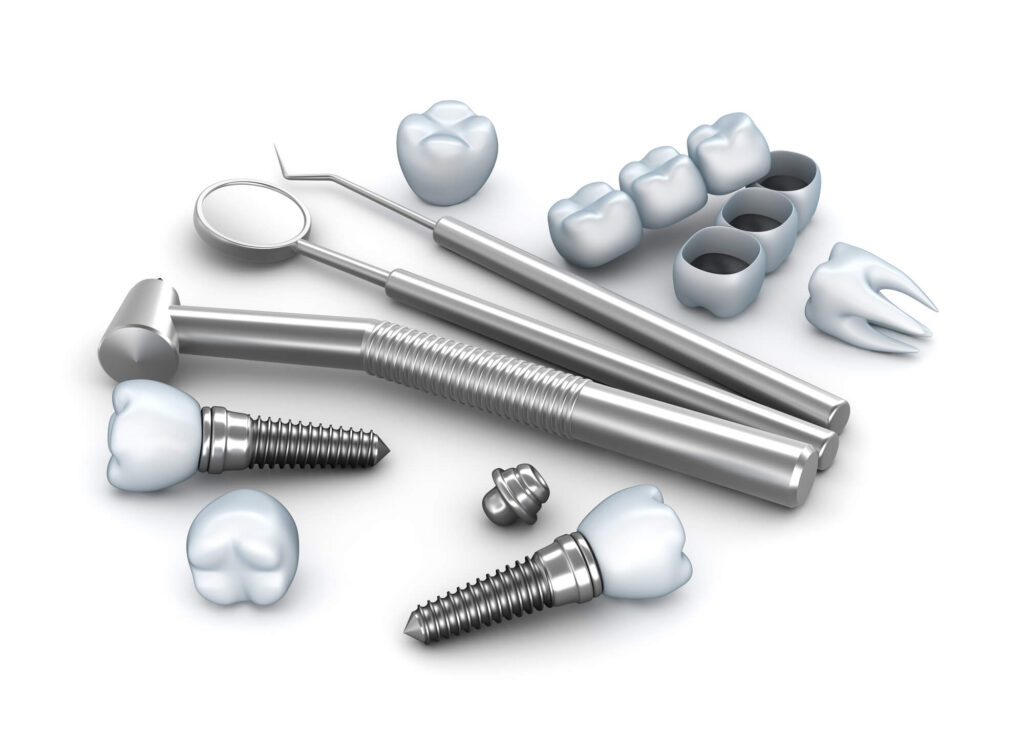
dental implants in san francisco scattered over white background alongside dental utensilsGet Your Dental Implants in San Francisco for a Better Smile!  
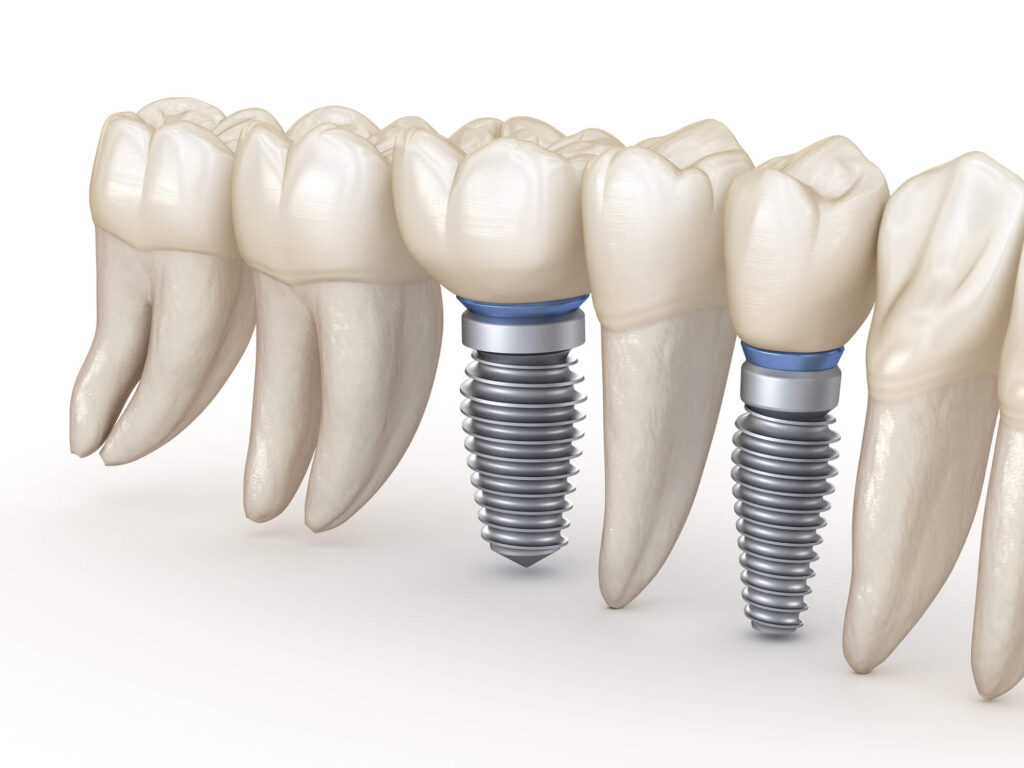
We advise inquiring about the tooth implant treatment with your dentist to stop jawbone damage. When you lose a tooth, a dental implant will cover the gap in your smile and stimulate your jawbone like the tooth’s root would. In the long run, this preserves your face’s contour by preserving the jawbone.   

Modern dentistry offers a wide range of excellent tooth replacement choices if you’ve lost one or more teeth. Dental implants, however, are one of the greatest treatments available if you qualify for them; they’re adaptable, strong, and function to restore your teeth while preserving your short- and long-term oral health. When properly maintained, they become a lifelong component of your smile, preserving its health and beauty. Call us for more information! 

What Is the Dental Implant Recovery Time?

The most effective approach to replace a lost tooth is with San Fransisco implant dentistry. Still, many patients are discouraged because of the drawn-out process that their dentists describe when explaining the full treatment. Such treatment will take up to 6-8 months to complete.  

San Fransisco implant dentistry 

Dental Implant Treatment: Expectation and Recovery Time

What to Expect When Recovering from a Dental Implant

Like with any other surgery, you can feel mild discomfort whether your dentist performs your procedure in one sitting or over several. Such discomfort includes:  

  • Bleeding could last for 48 to 72 hours.  
  • Your face and mouth may bruise for two to three days.  
  • Your face and gums will be swollen for roughly two days.  

Although discomfort and suffering may persist for a few days following surgery, don’t worry! They should go away fairly quickly. 

Your body will continue to recover from surgery on the second and third days. Most people can resume their normal diets after 7 to 10 days. Patients may occasionally be instructed to follow a soft diet for up to 6 weeks after the treatment. You can contact your dentist if any post-procedure soreness, swelling, or other problem worsens.   

Why Does It Take So Long for Dental Implants to Heal?

The precise amount of time needed to finish a particular implant operation depends on several factors. For instance, the process will take much longer if a bone graft is necessary before any implant surgery can start. It would help if you had enough jawbone density to support the SF dental implant to have a successful implant.  

How Long Will It Take if You Undergo Bone Grafting?    

The bone structure under your missing tooth may erode if you have advanced gum disease or put off getting a replacement tooth for a long time. Before the dental implant treatment, you will need a bone graft to rebuild the strength and density of your jawbone.   

With a bone graft, your dentist can repair the structure of your jawbone using your bone or a bone that has undergone processing. It will take longer to finish your implant if you need a bone graft because the implant surgery must wait until your body has recovered entirely, typically taking 3–4 months.  

Tips on How to Handle This Treatment   

It’s crucial to adhere to your dentist’s post-surgery care instructions to hasten your recovery and reduce pain as you heal. The following advice will aid in your post-dental implant recovery:  

  • Rest and refrain from heavy activities for the first 24 hours. Repeatedly apply ice to your jaw for 30 minutes, then remove it for 20 minutes.  
  • Gently rinse your mouth with salt water after 24 hours, using 8 ounces of warm water and 1/2 teaspoon of salt.  
  • Consume room temperature, soft meals and steer clear of foods that are too hot, cold, chewy, or spicy.  
  • Alcohol, fizzy drinks, and straw use should be avoided. Additionally, refrain from smoking for a few days following surgery.  
  • Keep an eye out for infection symptoms, including swelling that lasts longer than a few days or a fever. If you observe these symptoms, contact your doctor.  
  • To heal and prevent plaque or infection from accumulating around the gums, it is crucial to maintain dental hygiene and at-home care.  

San Fransisco implant dentistry 

Get Recovery Advice When You Undergo San Fransisco Implant Dentistry   

Even though the implant procedure requires a lot of time, the result is a restoration that functions and feels like a natural tooth. Make an appointment for your consultation with the Center for Implant Dentistry right away if you need to repair a missing tooth. 

How Long Will a Dental Implant Procedure Take?

Did your general dentist suggest that you visit a center for dental implants? Before deciding whether dental implants are the best option for you, there are several things to take into account and you’ve probably heard that treatment for implants takes time. Let’s go through every stage so you can get a better understanding of how it works.

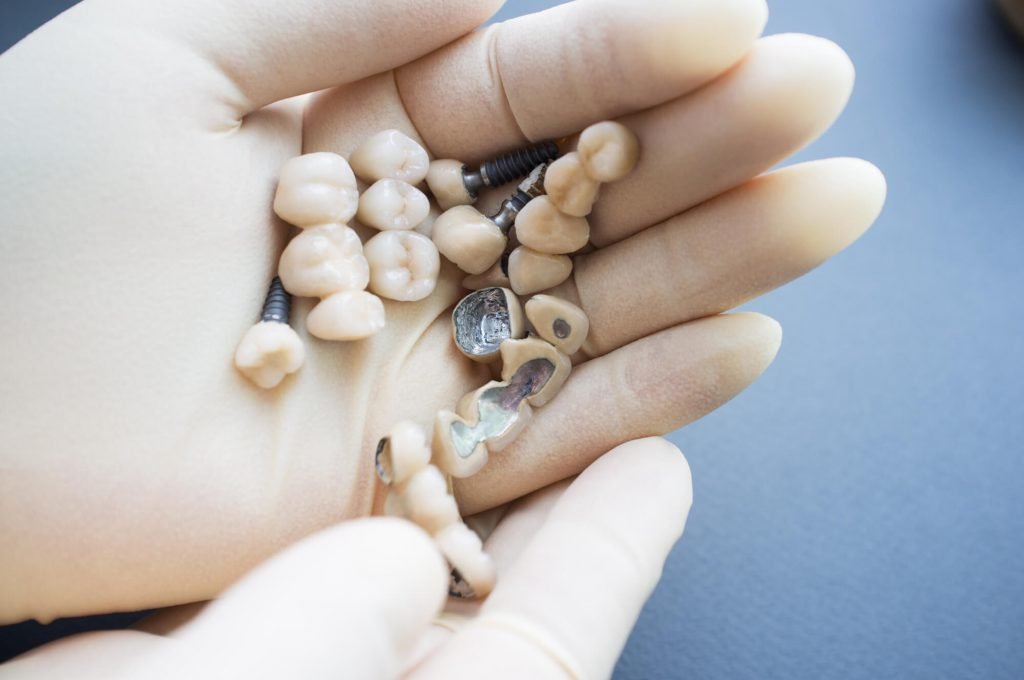
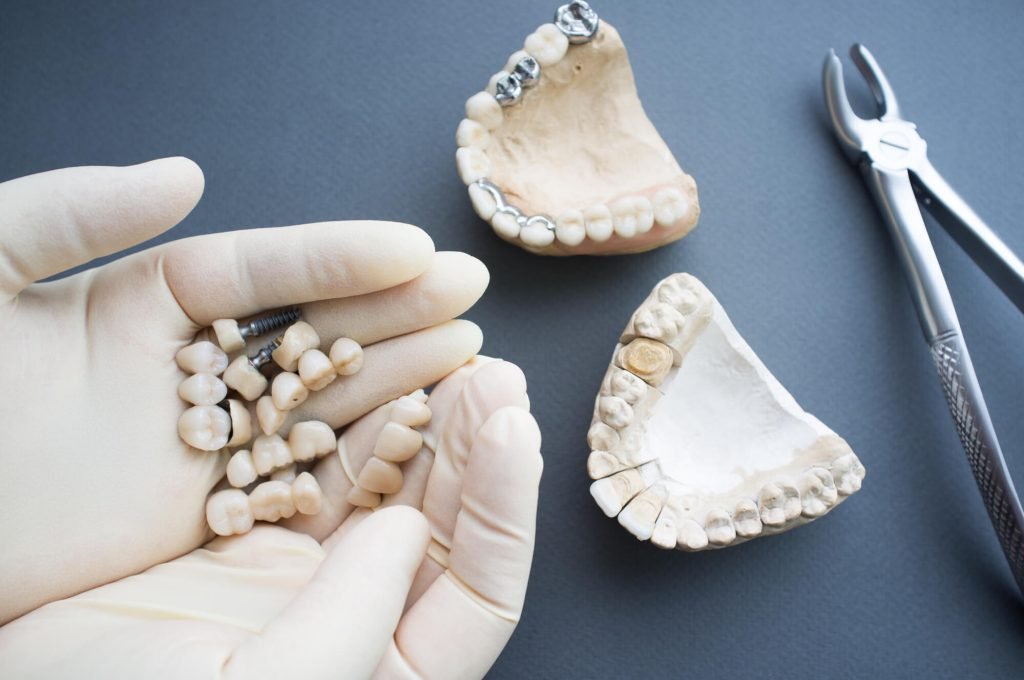
samples of implants from a center for dental implants

Dental Implant Treatment Process

Assessment and Preparation

Your dentist will assess the existing teeth and bone quality at the location of the dental implants using a CT scan. Phase 1 will take three to six months if no bone grafting is required, and Phase 2 can begin immediately. In most cases, bone grafting is required if a tooth has been lost for a long time.

Bone is lost at a pace twice as fast as usual during the first year after a tooth is lost. Due to this, early artificial root insertion is essential for lowering dental implant costs and shortening the duration of the dental implant process.

Artificial Root Installation

The second phase involves implanting the artificial root in the bone and letting it recover. The treatment lasts one to two hours, and recovery takes three to six months. The titanium alloy implant (the same substance used in joint replacements) will begin to repair around and integrate with the surrounding bone tissue during this period. Moreover, remember that no load-bearing medical implant heals or recovers as quickly as titanium alloy.

3D illustration from center for dental implants

Positioning of the Crown

The prosthetic root previously implanted into your jaw is covered with a false tooth or crown in the third phase. Your new tooth or teeth are constructed using an impression of your teeth to ensure that they are the ideal size, shape, and color. Typically, this phase requires two visits spaced approximately two weeks apart.

Crown Fitting & Abutment

The less intrusive method of attaching the abutment and crown to the implant is the final phase, which comes after your implant has recovered. Between the permanent crown and implant is a little cushion-like shock absorber known as the abutment. This stage frequently entails exposing the gums to properly fit the abutment and crown above the implant. Your new artificial crown can be attached once the abutment is firmly fixed, and the dental implant procedure will then be finished.

Post-Operative Recovery

Some patients may feel swelling, bruising, or pain right after surgery. This may vary depending on the amount of work required by your dentist to install the implant, particularly if a tooth had to be extracted. It’s crucial to allow enough time between your implant procedure and the crown installation. The period depends on how quickly your bone and gums heal. Usually, this healing process takes three months.

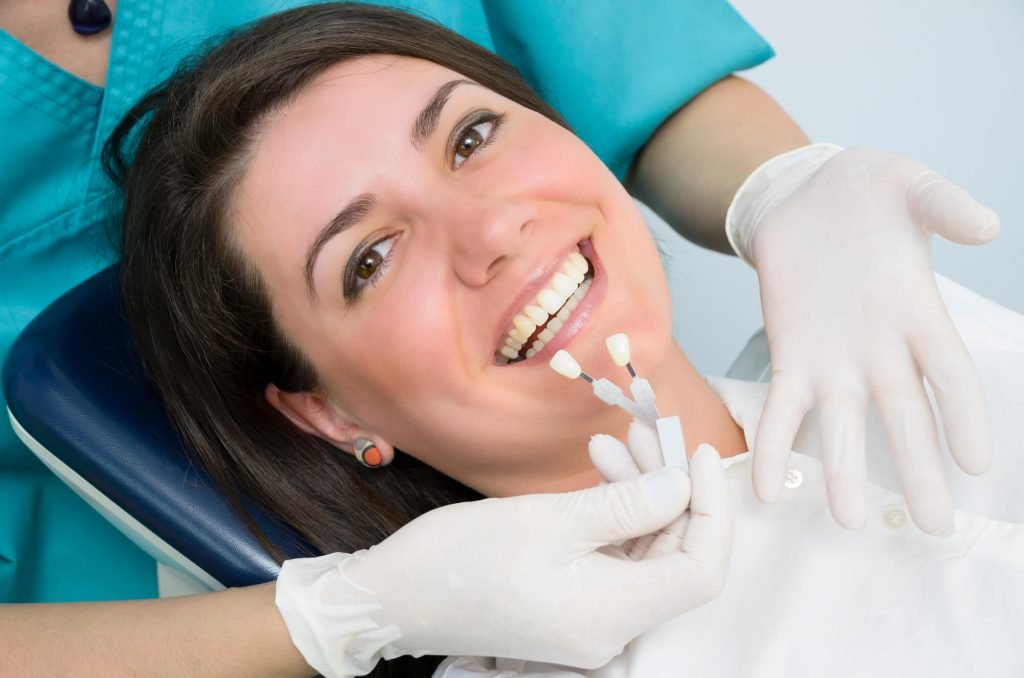
patient is in the center for dental implants

Visit a Center for Dental Implants!

In conclusion, you should anticipate that a dental implant treatment will take several months. However, the reward here is that you get a permanent tooth replacement. Talking with your dentist is the best way to determine how long the procedure will take.

People choose sf dental implants for a variety of reasons. Whatever the case, speak with our skilled dentist, who will complete the examination. They’ll point you on the right path and provide you with appropriate advice. Make an appointment with us if you have any inquiries at all for further details.

What Is a One-Day Implant?

Do you experience excruciating agony from a bad tooth? Alternatively, you just lost a tooth and are now sporting a less-than-ideal smile. You’re in luck! The one-day dental implant has gained a lot of traction in the orthodontic community. Traditional implants can take months to complete. However, the one-day implant could fix your smile in just a day.   

How does a one-day implant function, though? Is the treatment safe? We’ll go over every detail of a one-day dental implant, commonly known as a same-day dental implant, with you.    

One Day Implant 

Basics of Same-Day Dental Implants

What Is It?

Same-day dental implants are the most practical method of obtaining a stunning new smile. You can complete the entire process in a single visit rather than waiting weeks or months at your dentist’s office for new teeth.  

How Is It Done?

Well, there is a drawn-out procedure for standard implants. The problematic tooth must first be extracted. Then the socket needs to heal for three to four months. Your dentist would then install the implant after another waiting period of three to six months. The crown is then inserted into the implant. This process will take between 5 and 10 months to complete.   

However, the natural process is much speedier with same-day implants. You’ll need to visit your doctor three times in total. Once for a consultation, once for the procedure, and lastly, for the checkup. The best thing about this type of dental implant is that the actual implantation procedure will be finished in a single visit. That eliminates the need for lengthy healing times.    

Cons of Same-Day Dental Implants

At the Center for Implant Dentistry, we always make it a point to inform our patients about the pros and cons of the treatment. Let’s start with the cons.  

Same-day dental implant procedures cannot skip over the bone-to-implant integration process. Because the body needs time to develop new bone cells that firmly retain the implants, this must still occur and cannot be accelerated. Compliance from the patient is essential to prevent dental implant movement during the three-to-six-month healing process.   

Moreover, patients frequently need to follow a softer diet at this time, staying away from extremely tough or crunchy items like carrots or almonds. The implants may move if a softer diet is not followed, harming osseointegration and raising the possibility of treatment failure.   

Pros of Same-Day Dental Implants    

If the procedure is effective, patients will experience high patient satisfaction since they can get their new teeth and have their implant surgery on the same day. Same-day dental implants eliminate the need for patients to wear an unpleasant partial or full denture while their implants recover.   

People who hate losing their teeth for any period find the treatment very enticing. During the healing period, patients can eat and converse comfortably with little disruption to daily life. The procedures for same-day dental implants have undergone extensive testing and will not jeopardize the treatment’s long-term success.  

One Day Implant 

Learn More About the One-Day Implant!

At the Center for Implant Dentistry, we take pride in providing our patients with exceptional and lasting dental treatments. Please remember that our knowledgeable technical team will help you if you want to discuss treatment in more depth. Give us a call to schedule an appointment with us! 

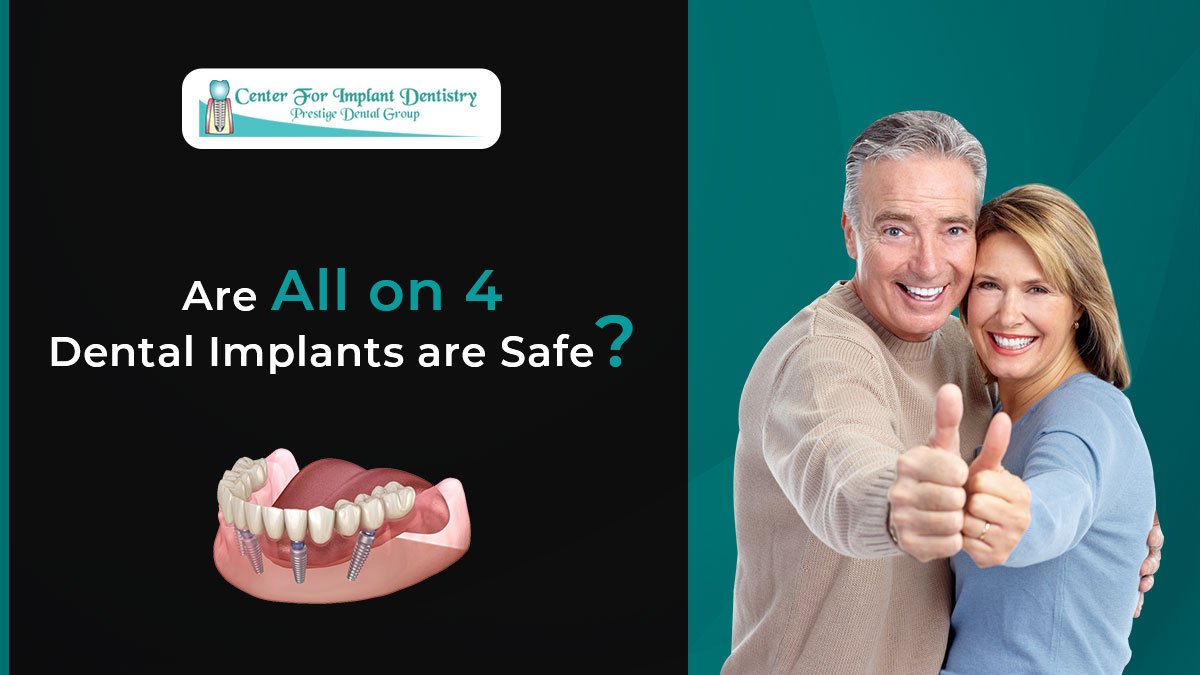
All On 4 Dental Implants: Are they Safe?


Introduction

It is important to remember that any problems with a dental implant are often minor, start soon after your procedure, and are not life-threatening. It is common to worry about potential issues with the procedure and question, “Are dental implants safe?” but All on 4 is a highly safe and successful procedure with numerous advantages.

Although dental implants have a success record of over 95%, complications can still arise exceptionally seldom. The other All On 4 dental implant treatment is highly safe and is carried out with the utmost care and assistance from our staff, as is the case with all surgical operations.

All-On-4 Dental Implants: What Are They?

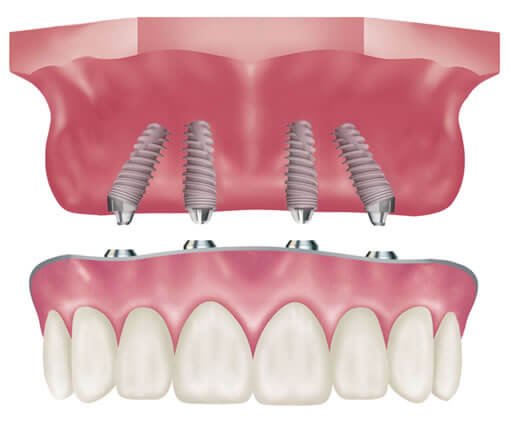
Dentures may now be permanently replaced with All On four dental implants, which look and feel natural in your mouth. Using a topical anesthetic, four implants are inserted into your gums, and titanium pegs are utilized to construct a root to which your new arch may be linked. The implants will bond with your jawbone and serve as replacement roots over a few months, producing a more robust and longer-lasting result.

All-on-4 Dental Implants: Benefits

Getting All On four implants has a lot of advantages, which is one of the reasons the procedure is so well-liked. These advantages consist of the following:

  • A long-lasting repair that remains in your mouth like natural teeth.

  • Increased self-confidence and self-esteem due to improved attractiveness.

  • Improved speech and the ability to enjoy your favorite meals.

  • More comfort compared to dentures.

  • Enhanced dental health.

Dental Implants: Are They Safe?

Although All On four dental implants are pretty effective and the process is relatively safe, there is a minimal possibility that something may go wrong. It is important to remember that any problems with a dental implant are often minor, start soon after your procedure, and are not life-threatening. Dental implants are secure, and at Dental Solutions, we have a committed team of experienced implant specialists who will help alleviate any concerns you have and provide full aftercare. Nevertheless, with this in mind, here are some of the most frequent complications after dental implant treatments.

Infection

All dental implant procedures entail local anesthesia and a small amount of surgery. Although there is a very slim possibility that an infection may arise during treatment, since your mouth retains germs, there is a potential that one will come after that. Following an All On four treatment, you should typically anticipate some swelling and minor pain or discomfort; however, anything more severe than this might be an infection. Inadequate aftercare or slow healing is typically to blame for these infections, so if you experience any problems, please get in touch with us immediately.

Implant Motion

Dental implants must bond with your jawbone over time after your procedure, and any movement might make them unstable. Dental implants are susceptible to the movement for around 8 to 12 weeks, and exercise may prevent them from correctly attaching to and integrating with your jawbone. This might result in a condition that may require further treatment to fix. Failure to adhere to your dentist’s post-implant instructions might result in movement. Always follow the advice provided after your treatment since certain dietary decisions, such as eating crunchy or hard foods, might cause the implant to move.

All On 4 Dentures Bayarea

At the Center for Implant Dentistry, we have an enthusiastic group of dental implant specialists, staff, and an implant suite in our office. At every stage during your implant procedure, we work hard to provide you with a great experience. If you have any inquiries concerning the security of SF dental implants or any other worries, kindly contact us immediately.


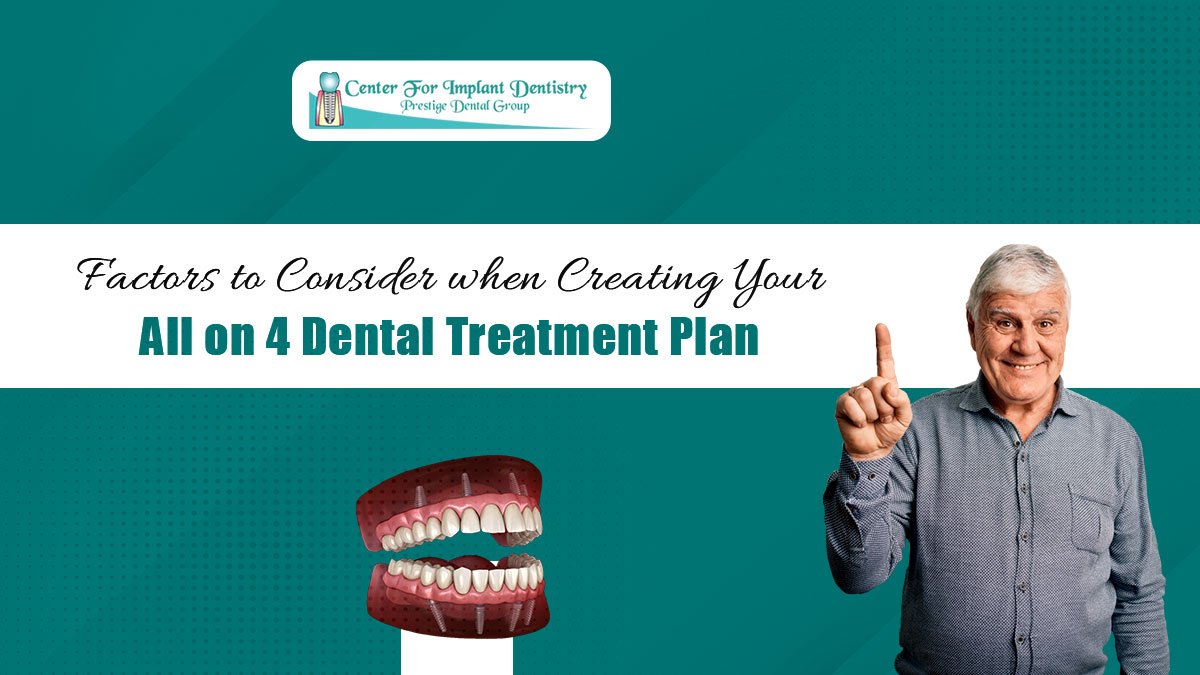
When Is All-on-4 The Best Option? 5 Factors To Consider When Creating Your Dental Treatment Plan

five-factors

Introduction

Dentures are no longer the only solution for edentulous or toothless areas. Improvements in implant dentistry have led to improved treatment choices and higher patient satisfaction in the current era. Patients were not previously provided with an all-on-4 complete arch implant-supported prosthesis. On the other hand, the All-on-4 dental option is now generally acknowledged and used in dental clinics. Making your dental treatment plan is now necessary.

Let’s talk about five fundamental principles that your dentist will consider when determining how to proceed with your dental care.

Speech Issues

For strength, implant-supported bridges need both vertical and horizontal mass. Patients should be informed that every prosthesis has highly similar features to natural teeth and supporting structures in design and function. To get a better result, it is still crucial to comprehend and adjust to even minor adjustments. All-on-4 implants may be the best option for completely edentulous patients. Few patients may need a pre-surgical intervention procedure like sinus lift or bone grafting to provide the optimum result and provide best aesthetics and functionality

Dental Condition

Before planning implants, it is crucial to assess the patient’s periodontal health. The structures that support the tooth are called the periodontium, and the same periodontium must be in good condition to keep the implant and the finished prosthesis. Before electing to have implants, patients who smoke, have systemic diseases, have poor oral hygiene, or have gum disease should be evaluated and treated by their dentist. All-on-four SF dental implants are a promising solution for individuals with prior periodontal disease. Patients with mostly missing teeth are suitable candidates for the All on Four complete Dental Arch solution.

Proprioception

Proprioception is a crucial factor that the implantologist will consider, and it is referred to as the perception or signaling of body movement. Those with dual arch All-on-4 implant supported prostheses are shown to bite more forcefully than patients with natural teeth still present, and this may lead to bone loss or restorative fractures.

The top dentist will think about staging the procedure and treating one arch at a time when a dual arch implant support prosthesis is intended. The patient may benefit from this stage if it gives them more time to adjust and more excellent mechanoreceptor development in the orofacial muscles, joints, and periosteum.

Aging & Parafunction

The long-term prognosis of the therapy must take parafunctional behaviors like clenching, bruxism, and irregular chewing cycles into account. Speaking with your dentist or implantologist while making All On four dental implant plans would be best. All on four is a fantastic alternative since it assists with restoring lost face tone by improving facial drooping brought on by bone loss. The ridge support makes you seem fuller and younger.

Oral Hygiene maintenance:

Patients who have a high caries index show concern for dental hygiene. For results that last a lifetime, implants require regular dental hygiene and cleanliness. Your dentist is responsible for informing you about oral hygiene standards and risks related to poor oral hygiene.


Do I Need Dental Implants or Dentures?

Arguing between dentures or dental implants in San Jose becomes common if one needs to replace missing teeth. Nothing currently compares to dental implants as permanent tooth replacements that may last as long as your original teeth. A dentist that provides consultations can examine your mouth and decide what course of action is best for you. 

Dental Implants San Jose  Advantages of Implants Over Dentures    

What Are Dentures?

Dentures are artificial teeth and gums that the patient can easily remove. However, not all denture types may be removed and replaced. Several dentures are attached in a way that makes it difficult to take them out.   

Moreover, dentures are often held in place by the mouth’s naturally soft and firm tissues. As a result, they are a much less invasive choice for therapy than dental implants, which need to be surgically placed within the jawbone.  

What Are Dental Implants?  

Dental implants replace lost tooth roots by acting as metal screws that are surgically inserted into your jawbone. An extension or abutment is joined to the dental implant after it has Osseo integrated with your jaw, typically taking a few months. Once completed, a crown is installed on top.   

It is very likely that if you have missing teeth for a while, you have lost some bone density and may need a bone graft. Before placing your dental implant, a small bone graft can be performed if you only require that. If you need a significant bone graft, it must be performed separately and recovered at different times.  

Special Maintenance and Attention Are Needed When You Have Dentures

You must clean your dentures as instructed and take extra precautions every night. Dental implants are significantly easier to maintain because they only need to be cleaned, flossed, and examined by your dentist every six months.   

You’ll Have to Get New Dentures After a Few Years

Dentures will likely need replacement if you choose to get them in a few years. Implants can last the rest of your life with proper dental care. When wearing dentures, there is always a chance of discomfort between the denture and gum line, as well as the possibility of an infection if the recommended oral hygiene practices are not followed.   

You’ll Have to Get New Dentures After a Few Years

Implants can endure the stress of biting and chewing. Moreover, this dental treatment may look and work like your natural teeth. This implies that, unlike the case with dentures, you do not have to modify or restrict your diet.   

Dental Implants Stop Additional Bone Loss

Dental implants, which replace the tooth roots, can stop future bone loss from happening. In contrast, since dentures solely serve as an ornamental tooth replacement and reside above the gum line, bone loss and shrinkage are eventually to be expected.   

Permanent Tooth Restoration     

Since dental implants are long-lasting tooth replacements, you cannot remove them from your mouth whenever you eat or drink. Because of this, they are more comfortable to wear and you are more assured that they won’t move or slip when you talk or eat.  

Dental Implants San Jose 

So, Which Is Preferable: Dentures or Dental Implants in San Jose?

Our Center for Implant Dentistry staff is here to assist if you need to replace missing teeth. We can help you weigh your alternatives and determine what will work best for you and your circumstances. Schedule an appointment online for more information 

FAQs on All-on-4 Dental Implants

FAQs on All-on-4 Dental Implants

Introduction

What distinguishes All-on-4 Dental Implants from dentures?

All-On-Four Dental Implants are a fixed replacement option for a full complement of teeth that appear and feel natural as compared to dentures, which means:

  • They are fixed artificial teeth with a natural appearance and feel.
  • You can bite more forcefully since they are sturdy, enabling you to resume eating all your favorite foods.
  • They don’t press on your gums as dentures do; therefore, there is no longer any discomfort.
  • They free you from the fear of slipping, allowing you to taste and enjoy your meal.
  • The implants’ presence in the jaw stimulates the bone, stopping it from further deteriorating.
  • No more gag reflexes.
  • No more removal and cleaning at night.
  • No more sticky, messy adhesives!

How can I find out whether All-on-4 is suitable for me?

To correctly determine which treatment option or options will be best for you, we use cutting-edge 3D imaging technology. We assess the quality, volume, and amount of your bone using a 3D scan of your jaw. Almost 95% of patients, whether they have teeth or not, qualify for the All-on-4 surgery. We can do virtual surgery before you are in the chair, so you can preview the results before the procedure and know that every pre-planned step will be carried out with the highest precision.

Utilize four implants consistently?

Depending on the oral condition, we suggest 4 implants be placed in appropriate sites to help replace the complete set of teeth in a jaw. Rarely you may need one or two extra implants to aid in support. We will perform the appropriate operation for your particular needs to provide you with the most durable, quality teeth.

Why doesn’t every dentist use the All-on-4 Procedure?

Being relatively new, not many dentists feel confident executing the All-on-4 approach. The Advanced Periodontics team has carried out the All-on-4 operation since it was made accessible. There are situations when there is an excellent reason to choose other, more conventional therapies. All-on-4 is a preferable treatment choice in some circumstances. When you visit for a consultation, we assess your health and provide a personalized diagnosis to determine your best course of action.

What is the duration of an All-on-4 Procedure?

Even if you require extractions, your implants and replacement teeth will be inserted immediately after your extraction with prior consultation and diagnostic tests (such as a CT scan). With All-on-4, you may walk out of our clinic with a stunning set of fixed, functioning teeth on the same day you enter with poor (or no) teeth.

Does getting All-on-4 dental implants need bone grafts?

All-on-4 Dental implants are oriented to enhance their contact with the jaw bone to the greatest extent. As a result, fewer implants can support a complete set of teeth. This design idea also does away with bone grafting treatments.


How Long Do ALL-ON-FOUR Implants Last?

HOW LONG DO ALL-ON-FOUR IMPLANTS LAST?

Introduction

All-on-4 implants should have a lifespan comparable to conventional implants as long as they merge with the patient’s bone throughout the healing process. Most dental experts concur that patients can anticipate All-on-4 implants to endure at least 20 to 25 years, with a potential patient lifespan.

Dietary Restrictions After Surgery

The easiest method to prevent issues after your All-on-4 treatment is to follow a soft diet for a predetermined amount of time. You should be aware of the diet limitations since eating complex foods right after surgery might reduce their lifetime.

Lifespan Of A Prosthesis

All-on-4 implants have two components: the implants and the prosthesis they support. Our Dental Excellence patients must comprehend this. All-on-4 implants can last a lifetime with appropriate dental hygiene, although the prosthesis will probably deteriorate more quickly.

Fixed dentures and other dental restorations are vulnerable to wear and damage from chewing and biting. Although dental restorations are made of sturdy materials, eventually, they will need to be replaced. The prosthesis connected to All-on-4 implants should last at least 10 to 15 years with regular maintenance and good oral hygiene practices.

Extending the Impact of Treatment

The patient’s oral hygiene practices significantly impact the longevity of All-on-4 implants, including the prosthesis component. To prolong the effectiveness of All-on-4 therapy, we advise our Dental Center patients to follow these guidelines:

  • Every six months, consult the dentist for cleanings;
  • Frequently floss and brush;
  • Eat fewer meals that are incredibly crunchy, hard, or sticky;
  • Avoid using your teeth as tools;
  • Avoid clenching or grinding your teeth;
  • To safeguard your All-on-4 implants at night, use a specially constructed night guard;

How Are Implants for All-on-4 Cleaned? 

Since the bridge section of the restoration is fixed, it is not best to clean it with a regular toothbrush. It would be best if you instead used a water flosser at least twice daily. Look for the entry locations that let the most food debris be dislodged. To avoid tissue separation, keep the water flosser’s speed at a low or medium level.

Next, remember to floss every day beneath the bridge, whether they should be of the thinner kind or disposable ones linked to handles for better movement. Customizing oral care is vital for increasing your implants’ lifespan, so take your time.

You might also want to consider using an interdental toothbrush made exclusively for dental implants, which you can get in most big-box retailers and pharmacies. Use a sulcus brush to clean the part of the bridge that changes from hard tissue to soft tissue. Given that it is significantly smaller than a typical toothbrush, this brush is frequently thought to be more pleasant. You can use it to clean and massage the bridge’s tissue-contact regions.