When Should You Keep Your Wisdom Teeth?
Most people assume all four have to go. What the research actually says is more interesting: a healthy, cleanable wisdom tooth can be worth keeping — and occasionally worth its weight in gold.


Written and medically reviewed by Dr. Sam Jain, DMD, MS, and Dr. Arpana Gupta, DDS, MDS
Published · Updated

You Can Keep Wisdom Teeth That Are Healthy
If your wisdom teeth came in fully, line up with your bite, aren't causing pain or crowding, and you can actually reach them with a toothbrush and floss, there is often no good reason to take them out. That is not a fringe opinion. It matches how the American Association of Oral and Maxillofacial Surgeons frames third molars today: teeth that are disease-free and at low risk of future trouble are candidates for monitored retention — you keep them, and your dentist watches them over time — rather than automatic extraction.
The reflex to remove all four wisdom teeth in the late teens became routine partly because it was easier to justify one surgery than to track four teeth for decades. But healthy is healthy. A functional molar you were born with chews food and holds space just fine, and removing a sound tooth trades a small ongoing monitoring job for a real surgery with real risks. The useful question isn't "should everyone keep their wisdom teeth" — it's "are mine healthy, cleanable, and staying out of trouble?" If yes, keeping them is a legitimate, defensible choice.
This matters more than it sounds. Your natural teeth, roots and all, are still the best version of a tooth that exists. Nothing we build replaces them perfectly — which is exactly why a wisdom tooth that's pulling its weight deserves a second look before it's written off.
When Removal Still Makes More Sense
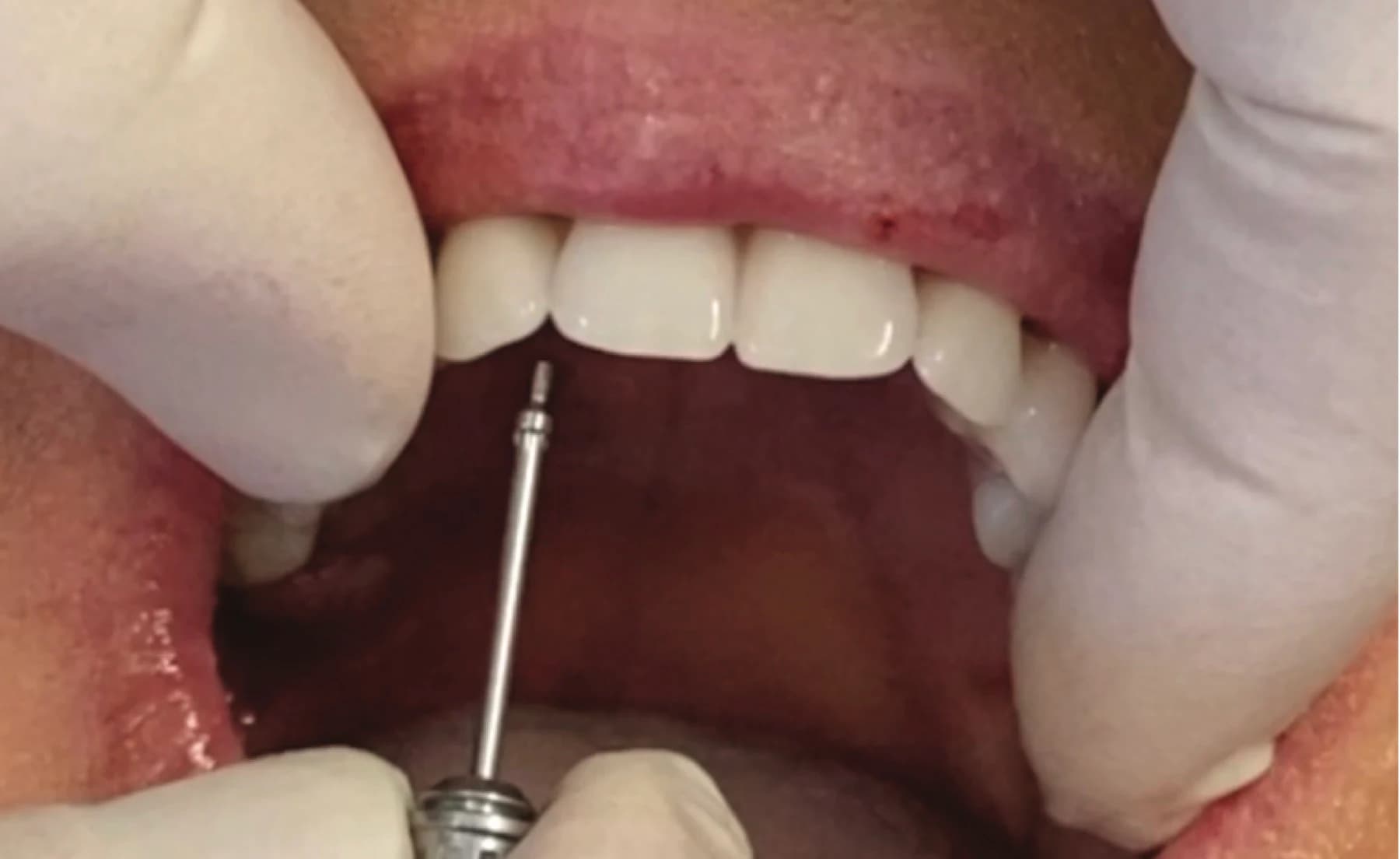
Keeping wisdom teeth is only the right call when they're genuinely behaving. Plenty of them don't. A tooth that's impacted — stuck sideways or trapped under the gum — can push on the neighboring molar, trap bacteria in a pocket you can't clean, and set up repeated infections. Partially erupted wisdom teeth are notorious for gum inflammation called pericoronitis, and a wisdom tooth angled into its neighbor can quietly cause decay on a tooth you'd otherwise keep for life. In those cases, removal protects the rest of your mouth, and waiting usually makes the eventual extraction harder.
There's also a practical hygiene reality. Wisdom teeth sit at the very back, where brushing and flossing are awkward even for diligent people. A wisdom tooth that's perfectly positioned but perpetually gets cavities because you simply can't reach it isn't doing you any favors. Your surgeon weighs the same things you'd want weighed: Is it clean? Is it stable? Is it damaging anything? Is the risk of leaving it higher than the risk of removing it? When the balance tips toward trouble, thoughtful extraction is the conservative move — and doing it under proper planning and IV sedation keeps it comfortable.
The point is that "keep them" and "remove them" aren't teams to root for. They're two answers to one question about your specific anatomy, and a good 3D scan settles it faster than any general rule.
The Reason Almost Nobody Mentions: A Wisdom Tooth Can Rescue a Lost Molar
Here's the counterintuitive case for holding onto a healthy wisdom tooth. If you ever lose or fracture a molar farther forward — a first or second molar that cracks, fails a root canal, or has to come out — a sound wisdom tooth can sometimes be moved into that spot. It's a real, documented procedure called autotransplantation, and for the right patient it means replacing a lost tooth with your own living tooth instead of a manufactured one. Published case series on mature third-molar transplants report survival rates above 90%.
What makes this remarkable is what a transplanted natural tooth brings that no implant can: a periodontal ligament, the thin band of living tissue that suspends a tooth in bone. That ligament gives you genuine bite sensation and helps preserve the surrounding bone in a way an implant, fused directly to bone, simply doesn't replicate. It's a niche option — it depends heavily on age, root development, and timing, and your surgeon will tell you honestly whether you're a candidate — but it exists only if the wisdom tooth is still there. Extract every wisdom tooth reflexively at 18, and you've quietly thrown away a spare part you might have wanted at 40.
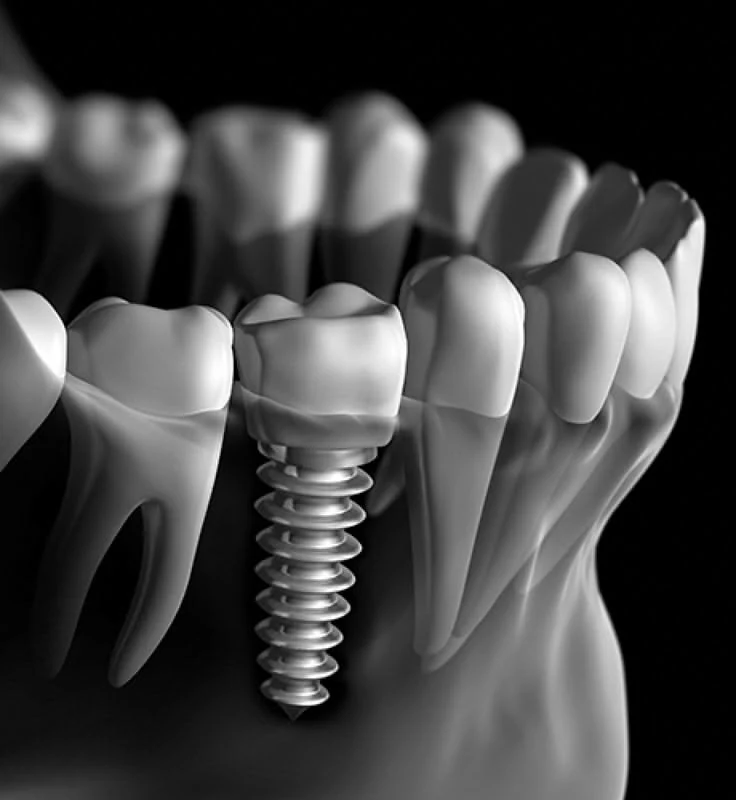
To be clear, dental implants are an outstanding, well-proven way to replace a missing molar, with long-term survival commonly cited around 95% — and for most people who've already lost a back tooth, a single dental implant or several implants is the right, predictable answer. The takeaway isn't "skip implants." It's that a healthy wisdom tooth is an asset worth keeping in reserve, because you can't get it back once it's gone.
How the Decision Actually Gets Made
A sound keep-or-remove decision starts with seeing the tooth in three dimensions, not guessing from a flat X-ray. Our free 3D CBCT scan — a $499 value at no cost — shows exactly how a wisdom tooth sits relative to the nerve in your lower jaw, the sinus above your upper molars, and the roots of the tooth next door. That's the difference between "they usually take these out" and a decision built on your own anatomy. If a wisdom tooth is clean and stable, monitoring it is often the plan. If it's a slow-motion problem, you'll see why on the screen.
The Center for Implant Dentistry has been a family-owned implant center in Fremont and San Francisco since 2008, and the same two surgeons who evaluate your case are the ones who treat it. Dr. Sam Jain — a DMD who also holds a master's in mechanical engineering and developed the All-on-8 Robust protocol — and Dr. Arpana Gupta, who trained in endodontics, both hold ICOI Master status and personally plan, place, and restore every case. No fly-in surgeon meets you for the first time on surgery day. That continuity matters for judgment calls like this one, where the goal is to preserve what's worth preserving and only remove what genuinely needs to go.
If a molar is already gone or clearly failing, the same team handles what comes next under one roof — from a straightforward single implant to full-arch work, with final custom-milled teeth made in our own lab rather than months of temporaries. You can weigh fixed teeth against removable options on our implants vs. dentures page, or just start with a free consultation and 3D scan and get a straight answer about which of your wisdom teeth are worth keeping.
Written and medically reviewed by Dr. Sam Jain, DMD, MS, and Dr. Arpana Gupta, DDS, MDS, who own this practice.
This article is patient education, reviewed by Dr. Sam Jain, DMD, MS, and Dr. Arpana Gupta, DDS, MDS, and is not a substitute for an exam. Treatment recommendations are made only after an in-person consultation and 3D imaging.