Dental Implant Myths vs Facts
Most of what people fear about implants comes from outdated information or someone else's bad experience — here's what actually holds up.
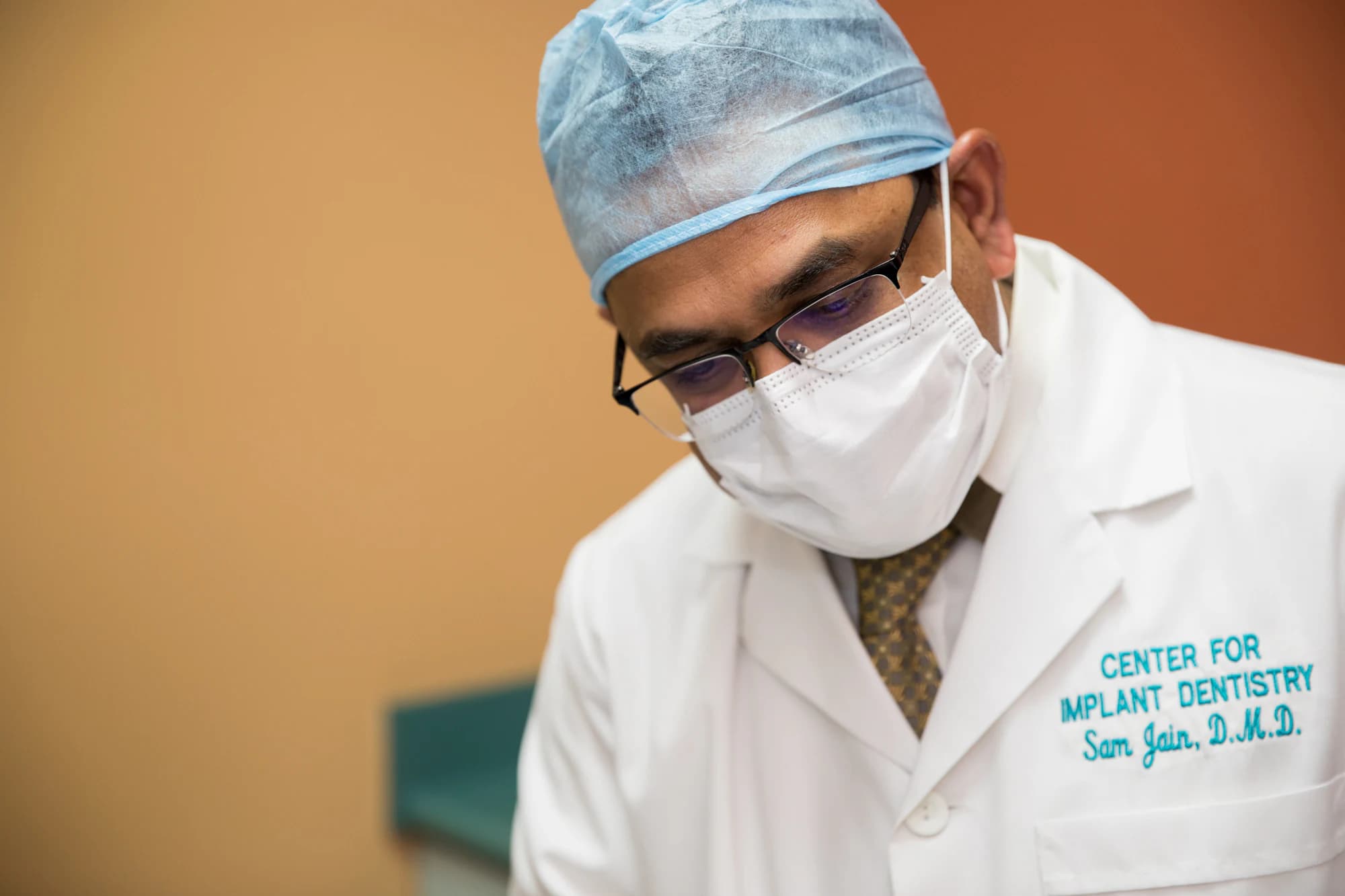

Written and medically reviewed by Dr. Sam Jain, DMD, MS, and Dr. Arpana Gupta, DDS, MDS
Published · Updated
Start here: what's true and what isn't
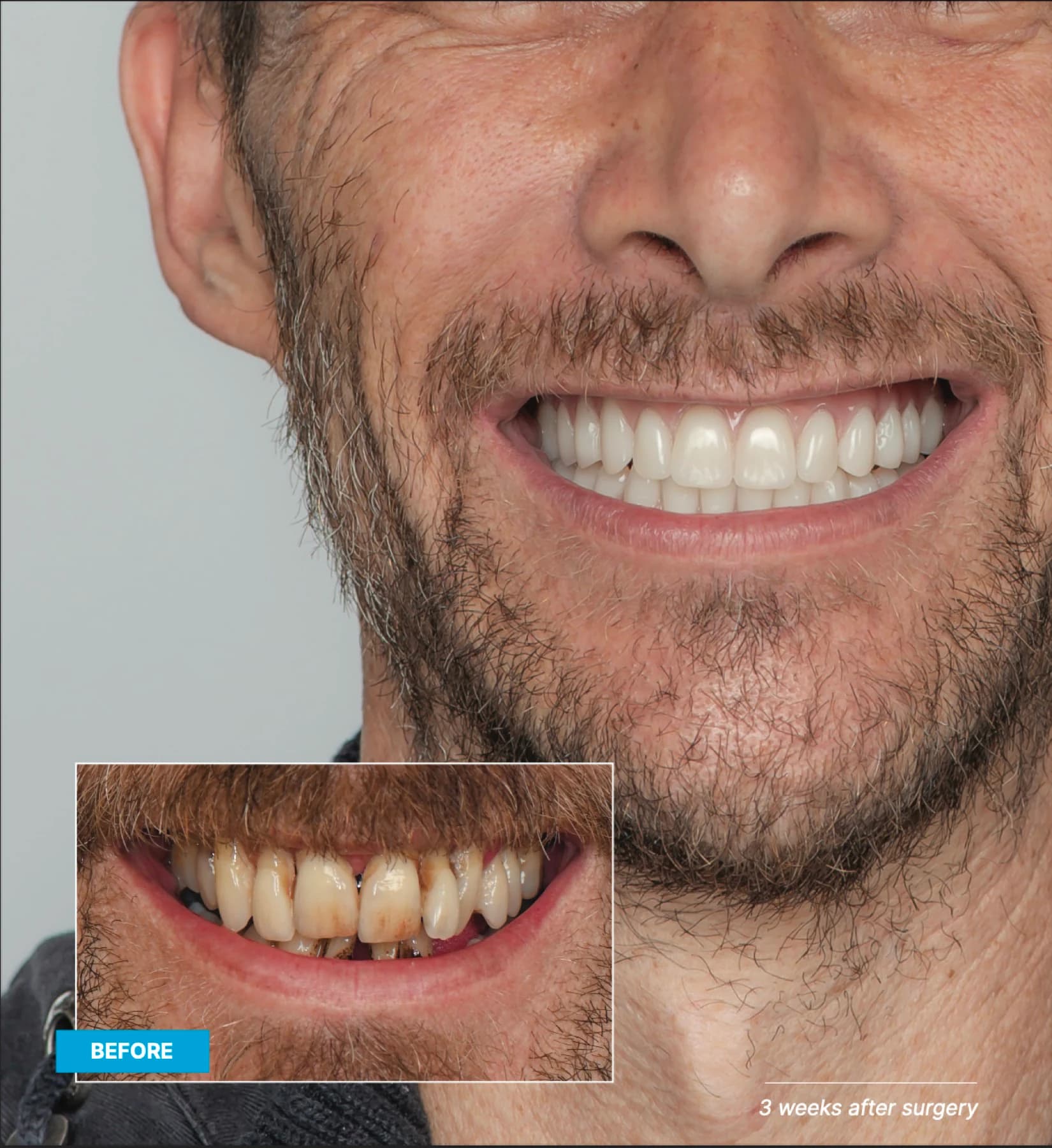
If you've been putting off implants because of something you read or heard, here's the short version. Dental implants are one of the most predictable procedures in modern dentistry. Large clinical studies put ten-year implant survival above 95% — a systematic meta-analysis found a summary estimate of about 96.4% at the implant level. Most of the horror stories people repeat trace back to old techniques, rushed treatment, or a single bad case that got generalized into a rule.
That said, we won't pretend implants are magic. They can fail, mostly in smokers, uncontrolled diabetics, or cases where the planning was thin. The risks are real but small and largely manageable when the same surgeon plans, places, and restores your case. Below we walk through the myths we hear most often at our Fremont office, and where each one actually stands.

Myth: "Getting implants is unbearably painful"
This is the fear that keeps the most people out of the chair, and it's mostly outdated. Placing an implant is usually less eventful than the extraction that often precedes it. The jaw doesn't have the dense nerve supply people imagine, and the procedure is done fully numb. Most patients tell us the recovery felt closer to a tooth removal than to the ordeal they'd braced for — typically managed with over-the-counter medication for a few days.
For anxious patients or longer full-arch cases, we offer IV sedation dentistry right in the office, so you can sleep through the appointment entirely. Guided surgery matters here too. We plan every case on a free 3D CBCT scan and place implants with X-Guide and Navident EVO navigation, which means smaller, more precise entry and less guesswork in the moment. Precision tends to translate to a gentler recovery.
Myth: "I don't have enough bone, so I can't get implants"
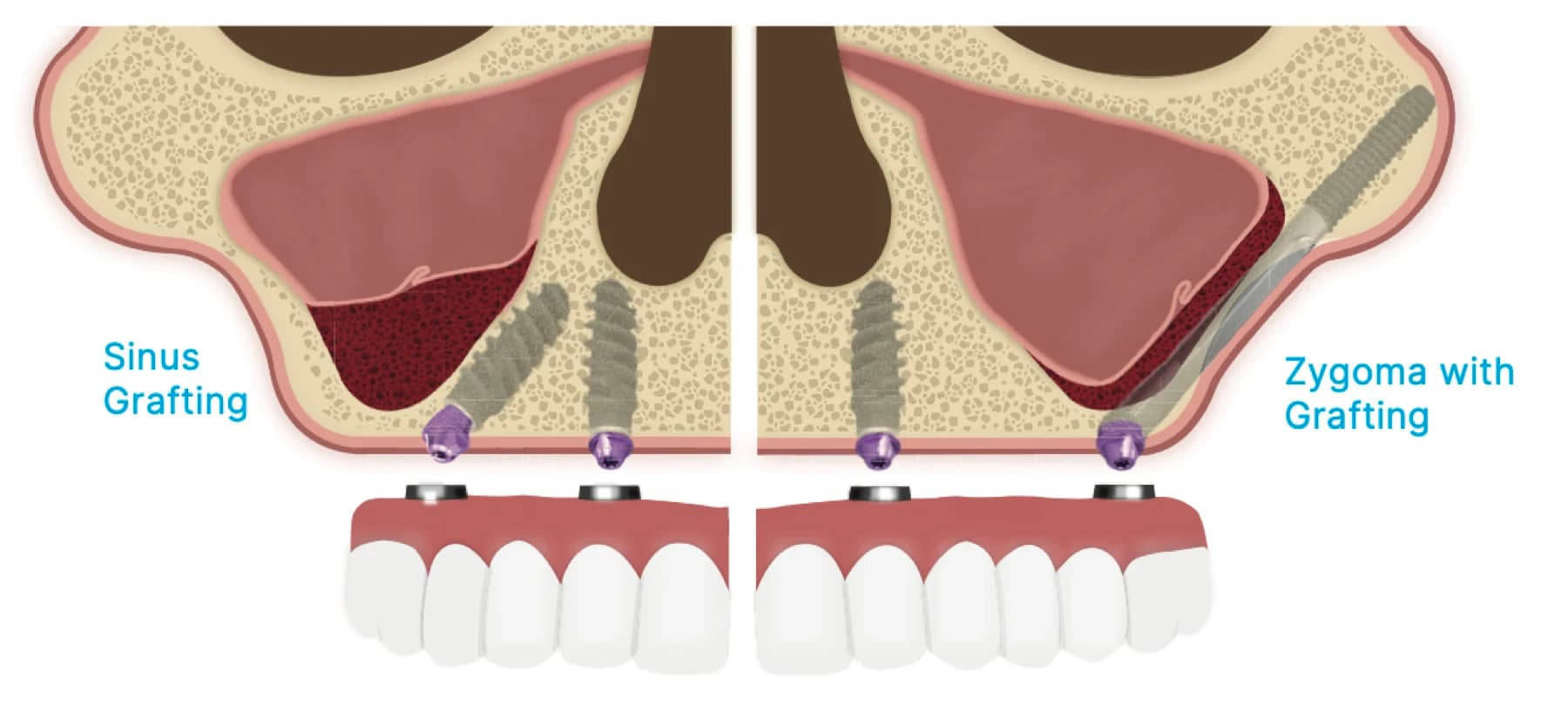
Being told "you're not a candidate" is usually the beginning of a conversation, not the end of one. Bone loss after missing teeth is extremely common, and dentistry has good answers for it. For moderate deficits, bone grafting or a sinus lift rebuilds the foundation before or during implant placement.
For severe upper-jaw bone loss — the kind where patients have been turned away elsewhere — zygomatic implants anchor into the dense cheekbone instead of the missing jawbone, avoiding lengthy grafting altogether. Dr. Sam Jain also developed the All-on-8 Robust protocol for exactly these tougher full-arch situations. If you've been told no somewhere else, it's worth a second look at whether you're a candidate.
Myth: "It takes a full year and months of temporary teeth"
The old model — place the implant, wait, come back months later for a tooth — is why this myth persists. It doesn't have to work that way. Because we run an in-house CAD/CAM zirconia mill under one roof, we can deliver final custom-milled teeth in roughly 24 hours for single and multiple implants, and about 72 hours for a full arch, rather than six to eight months of provisional temporaries.
That's the idea behind same-day dental implants: in many cases we can remove a failing tooth and place the implant in one visit, and for full-arch patients walk you out on real, engineered teeth within days. Your doctor will confirm what's realistic for your bone quality and bite, since immediate loading isn't right for every case — but the year-long timeline is often just old information.
Myth: "Implants aren't worth the cost" and "any dentist can place them"
On cost, it's fair to say implants ask for more upfront than a bridge or a denture. Where the math shifts is over time: implants don't get relined, don't need replacing every several years, and protect the jawbone that dentures let shrink. We're transparent about pricing, work with financing partners like Cherry, CareCredit and Happen Bank, and are in-network with many PPO plans — roughly 92% of our full-arch patients finance.
The "any dentist" part deserves honesty too. Outcomes depend heavily on who does the work. Some large chains fly in a surgeon to place implants and hand the restoration to someone else — which is often where problems and finger-pointing begin. In our office, Dr. Sam Jain and Dr. Arpana Gupta — both ICOI Masters — personally plan, place, and restore every case, and we regularly rescue failed implants placed elsewhere. That continuity is a big part of why patients choose us. The best next step is a free consult and 3D scan to see where you actually stand — you can schedule a consultation whenever you're ready.
Written and medically reviewed by Dr. Sam Jain, DMD, MS, and Dr. Arpana Gupta, DDS, MDS, who own this practice.
This article is patient education, reviewed by Dr. Sam Jain, DMD, MS, and Dr. Arpana Gupta, DDS, MDS, and is not a substitute for an exam. Treatment recommendations are made only after an in-person consultation and 3D imaging.