What to Know Before Getting Dental Implants
The questions to settle, the records to gather, and the honest expectations to set before you commit to implants.
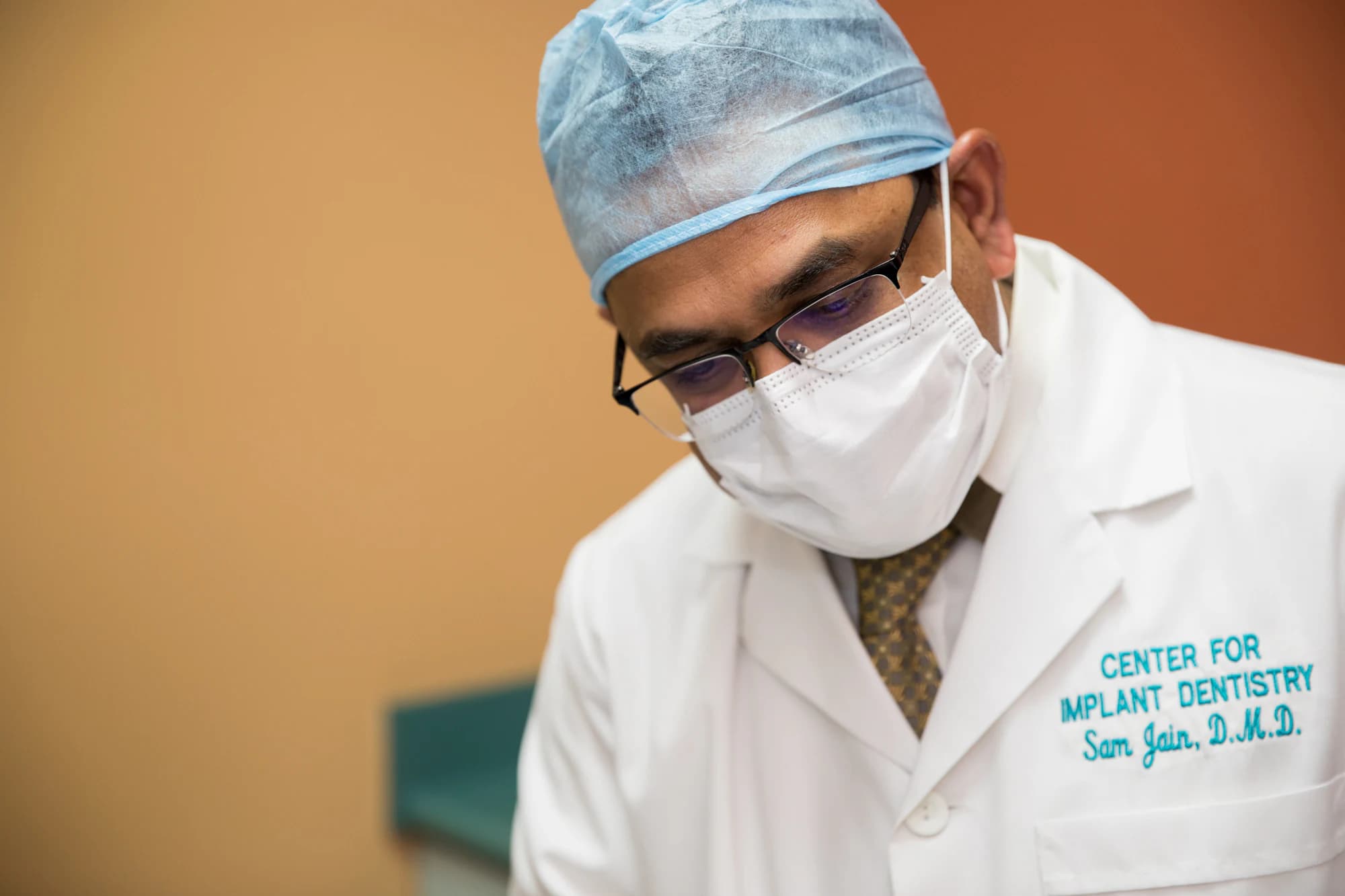

Written and medically reviewed by Dr. Sam Jain, DMD, MS, and Dr. Arpana Gupta, DDS, MDS
Published · Updated
Start Here: What You Actually Need to Decide
Before getting dental implants, the single most useful thing you can do is separate the decision into three questions and answer them in order: Am I a candidate? What exactly am I replacing — one tooth, several, or a full arch? And who is going to plan, place, and restore the work? Most people arrive worried about the surgery. In practice, the surgery is the short, routine part. The planning and the provider are what determine whether you're happy in ten years.
Here's the reassuring part, answered plainly and early: for most healthy adults, an implant is a predictable procedure with strong long-term odds. Peer-reviewed studies with 10-year follow-up put implant survival in the mid-90s percent range for contemporary implant systems — roughly 95 to 96% at the implant level. Those numbers assume good planning and maintenance, which is exactly why the rest of this checklist matters. Your own outcome depends less on the implant brand than on the diagnosis, the position, and the hands doing the work.

Confirm You're a Candidate — And Bring the Right Records
Fewer conditions disqualify you than most people fear. Controlled diabetes, past gum disease, being a former or current smoker, and even significant bone loss usually don't rule you out — they change the plan, not the answer. What your doctor genuinely needs to assess is bone volume, bite forces, gum health, and how your medical history (especially blood thinners, certain bone medications, and uncontrolled diabetes) interacts with healing. A quick way to understand where you stand is our honest breakdown of who qualifies for implants.
The best consults are built on a 3D CBCT scan, not a flat X-ray and a guess. A cone-beam scan shows the actual bone in three dimensions, the position of your sinus and nerve, and whether you'll need grafting. We include a free consultation and 3D scan — a $499 value — precisely because you shouldn't have to pay to find out if you're a candidate. If you're told you 'don't have enough bone,' get a second opinion before accepting dentures as your only option: solutions like bone grafting, a sinus lift, or even zygomatic implants anchored in the cheekbone exist for exactly that situation.
To make your first visit productive, bring a current medication list, the names of any recent surgeries, and — if you've had implant work elsewhere — any records or prior scans. We rebuild and rescue failed implants placed at other offices regularly, and old records shorten that conversation considerably.
Understand the Timeline — Temporaries vs. Same-Day Final Teeth
This is where expectations most often go sideways. In the traditional model, you leave with a temporary tooth and wait six to eight months for the permanent one while the lab works. Ask any provider directly: on the day of surgery, do I walk out with a temporary or a final tooth, and when is the permanent restoration made? The answer tells you a lot about how the office is set up.
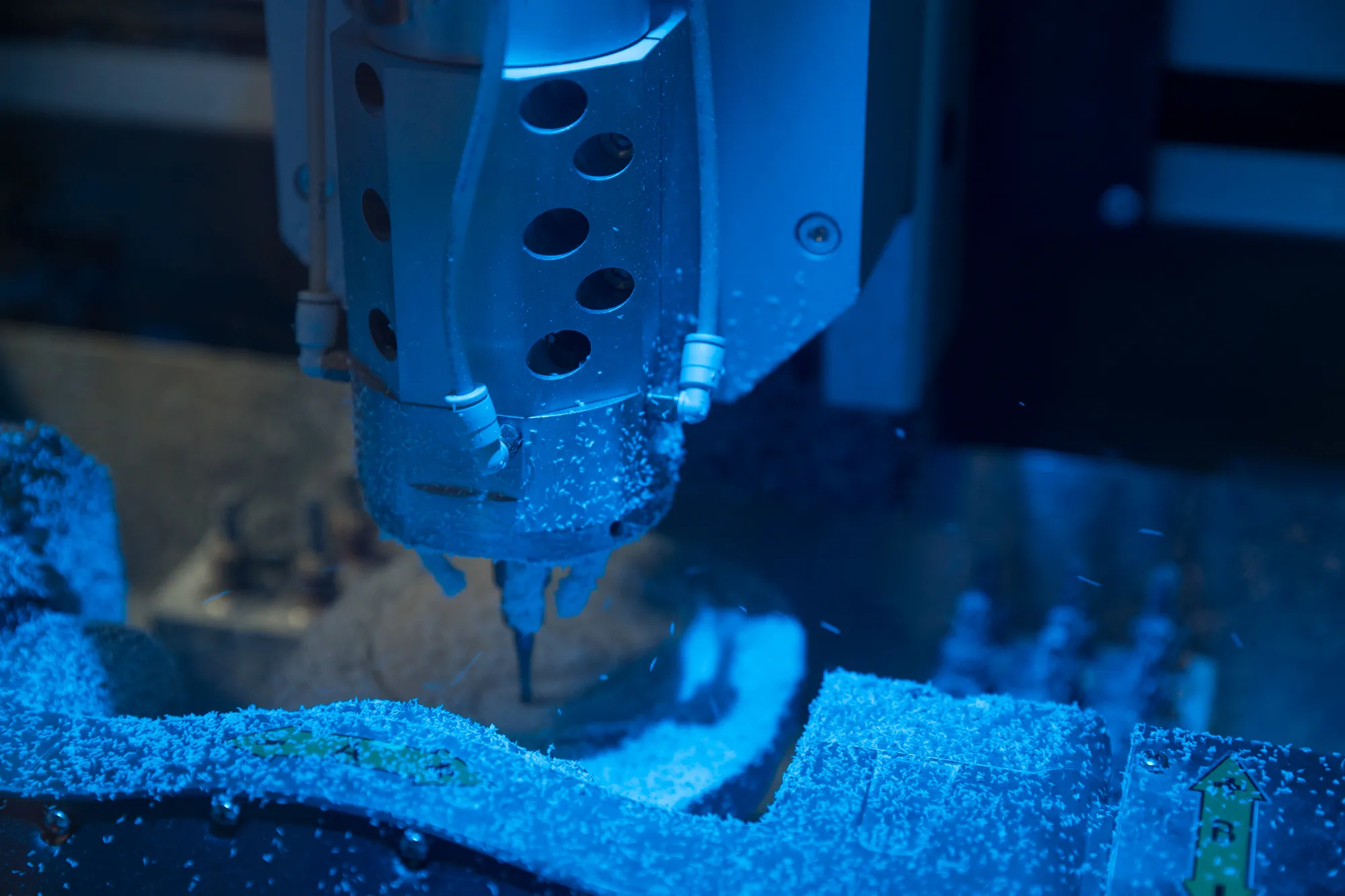
Because we mill custom zirconia teeth in our own on-site CAD/CAM lab, the timeline is often measured in days, not seasons — typically around 24 hours for a single- or multiple-tooth case and about 72 hours for a full-arch (All-on-4 or All-on-8) restoration. That matters beyond convenience: a well-fitted final restoration protects the implant and your bite in a way a long-term temporary can't. If getting teeth quickly is your priority, our same-day implant page walks through what's realistic for your specific case, because not every mouth qualifies for immediate load — and an honest office will tell you when yours doesn't.
Get Real About Cost, Financing, and Comfort
Phone quotes are guesses. Apart from All-on-4, which is one fixed, all-included fee per arch, a real number comes only after the scan, because your price is driven by how many teeth you're replacing, whether you need grafting, the type of restoration, and the sedation you choose. Most patients finance through options like Cherry, CareCredit, Happen Bank and others — roughly 92% of our full-arch patients finance rather than pay upfront. Our cost page explains the five factors that move the number and why an in-house lab removes the outside-lab markup from the price.
On coverage: we're in-network with many PPO plans — Delta, Aetna, Cigna, MetLife, Guardian, UnitedHealthcare, Anthem Blue Cross, Blue Shield of California and more — though implants are not covered by Medicare, Medi-Cal, or HMO plans. Bring your insurance details to the consult so the estimate reflects your actual benefits.
Comfort is worth planning for, not enduring. If dental anxiety has kept you away, know that IV sedation is available on-site and administered by the same doctors doing the surgery — many patients remember almost nothing of the procedure. One question worth asking any office: is a sedation option available under one roof, or would you be referred out?
The Question That Matters Most: Who Holds the Drill?
If you take one thing from this page, make it this: ask who plans your case, who places the implant, and who makes the teeth — and whether it's the same team throughout. In a lot of practices, the answer is a rotating cast, sometimes a fly-in surgeon you meet the morning of surgery and never see again. When something needs adjusting later, continuity is the difference between a five-minute fix and a runaround.
At the Center for Implant Dentistry, the two owner-surgeons — Dr. Sam Jain (who holds a DMD plus a master's in mechanical engineering and developed the All-on-8 Robust protocol) and Dr. Arpana Gupta — personally plan, place, and restore every case. That's a family-owned, implant-only center that has treated more than 15,000 patients since 2008, with a 4.9-star Google rating and 600-plus reviews across Google and Yelp. You can read the full reasoning behind why that structure matters, but the short version is simple: the person who designs your case is the person you'll see if anything ever needs attention. Before you commit anywhere, that's the accountability worth confirming.
Written and medically reviewed by Dr. Sam Jain, DMD, MS, and Dr. Arpana Gupta, DDS, MDS, who own this practice.
This article is patient education, reviewed by Dr. Sam Jain, DMD, MS, and Dr. Arpana Gupta, DDS, MDS, and is not a substitute for an exam. Treatment recommendations are made only after an in-person consultation and 3D imaging.